
A Factory Unlike Any Other
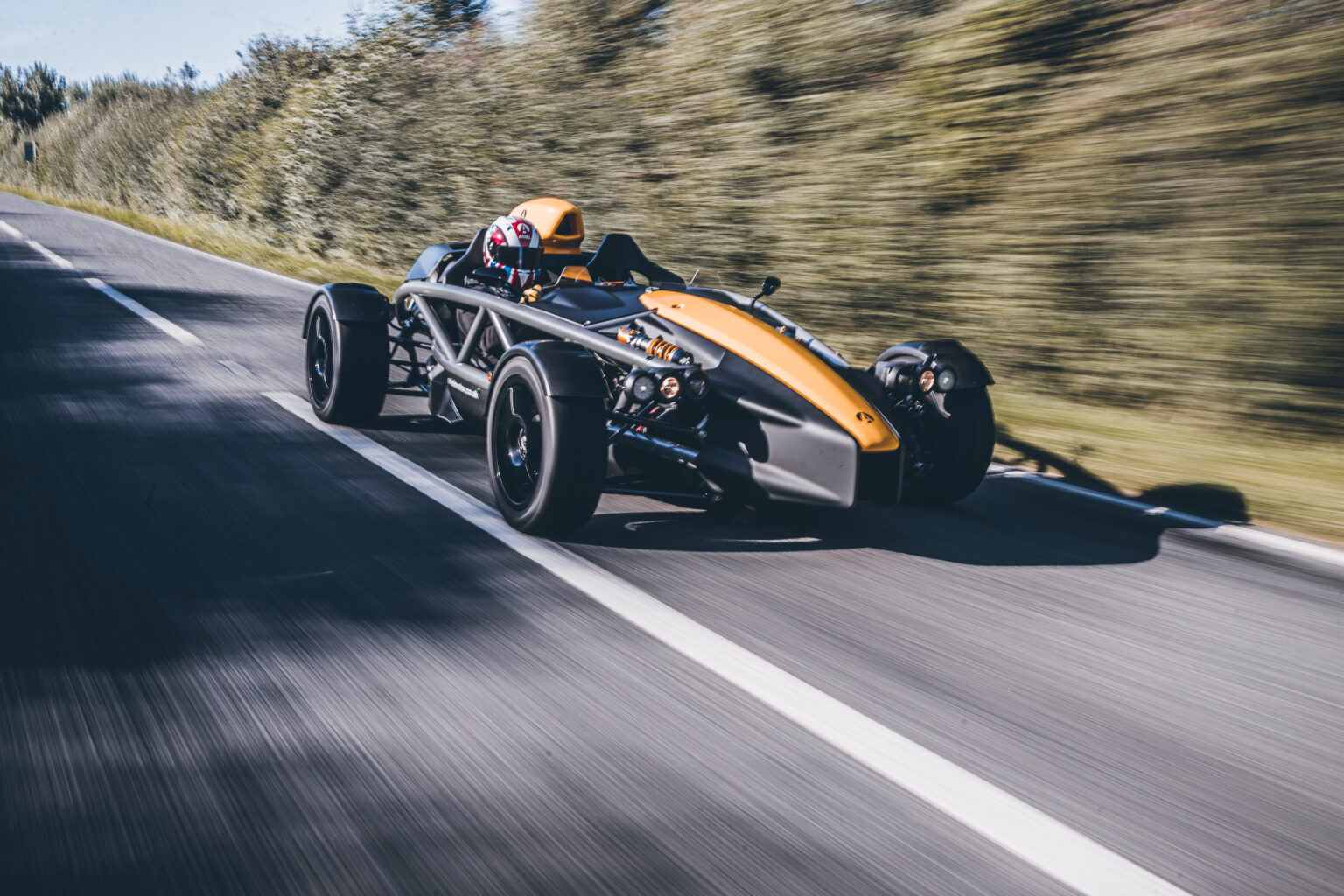
Tucked away in the quiet English town of Crewkerne, Somerset, sits one of the most extraordinary automotive factories on the planet. It has no sprawling assembly lines, no armies of robotic welders, and no conveyor belts stretching the length of a football pitch. What it does have is a small, supremely skilled team of craftspeople who build, by hand, approximately 100 Ariel Atoms per year.
To put that number in perspective — the major Italian supercar manufacturers produce their flagship models in volumes that dwarf Ariel's annual output by more than a hundredfold. Yet here is the remarkable truth: the Ariel Atom is arguably a more focused, more communicative, and more thrilling driver's car than virtually anything else on the market today, regardless of price. At BakuWheels, we believe this is no coincidence — it is the direct result of Ariel's extraordinary philosophy of quality over quantity.
What Makes 100 Cars a Year So Special?
When a manufacturer commits to building only around 100 cars annually, something fundamentally different happens in the production process. There is no pressure to cut corners, no race to meet mass-market volume targets, and no compromise forced by the economics of scale. Each Ariel Atom that leaves the Crewkerne factory is essentially a bespoke, hand-crafted machine built to the individual specification of its owner.
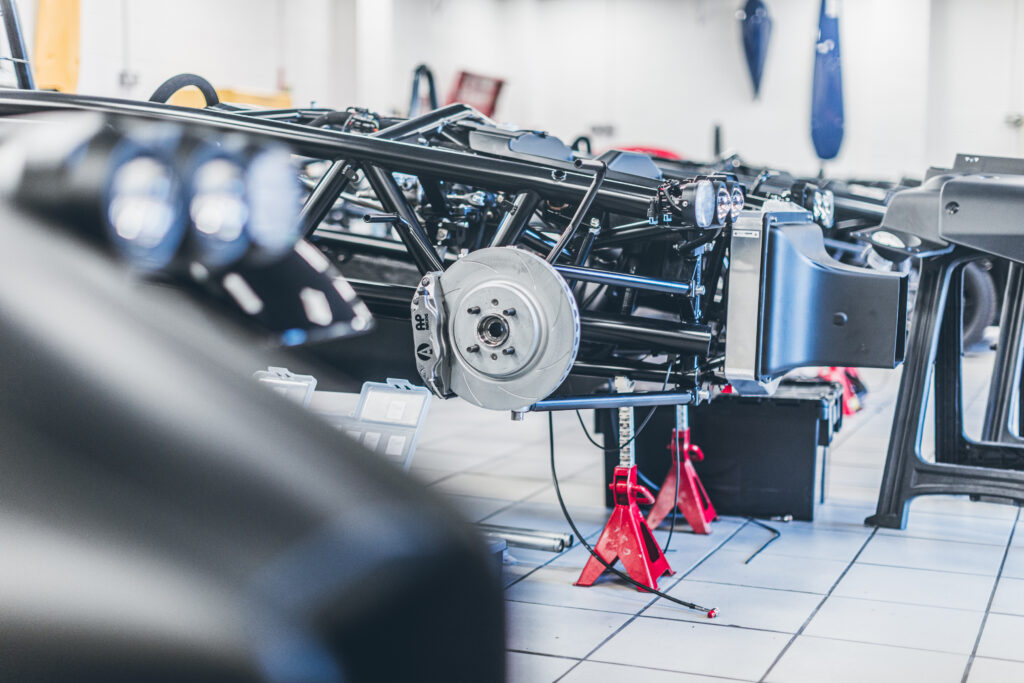
Every customer works directly with Ariel's engineering team to configure their specific car — from the precise engine tune and suspension setup, to the colour of the exposed tubular spaceframe chassis that forms the Atom's iconic skeleton. This is not a showroom transaction. This is a collaboration between an enthusiast and a team of engineers who are equally passionate about the end result. The Atom is not simply purchased; it is commissioned, like a bespoke Savile Row suit or a hand-crafted timepiece.
This level of personalisation and attention to detail is, in the truest sense of the word, extraordinary. It is extraordinarily rare not just in mainstream automotive manufacturing — it is rare at any level of the industry. And it shows in every single car that Ariel produces.
The Ariel Atom: A Brief History of Brilliance
The Atom story began in 1996 as a final-year project at Coventry University, conceived by students who asked a very simple but radical question: what would a car look like if you removed absolutely everything that was not essential to the act of driving? The answer — a bare, tubular spaceframe with a motorcycle-derived powertrain, four wheels, and a seat — became the foundation of one of the most celebrated performance cars in automotive history.
Commercial production began in 1999, and over the past two-and-a-half decades, Ariel has refined and developed the Atom through multiple generations — each one more capable than the last, yet each remaining absolutely faithful to that original founding philosophy. The key variants across the Atom's remarkable history include:
- Atom 1 (1999–2002): The original production model, powered by a Rover K-Series engine. Raw, simple, and utterly ground-breaking for its time.
- Atom 2 (2003–2011): A significantly refined chassis with Honda engine options, including a supercharged variant delivering 245 bhp — extraordinary performance in a car weighing barely over 450 kg.
- Atom 3 (2011–2017): Improved aerodynamics, upgraded suspension geometry, and engine choices extending up to 300 bhp.
- Atom 3.5 (2014–2018): A mid-cycle update featuring revised bodywork, improved ergonomics, and enhanced driver environment.
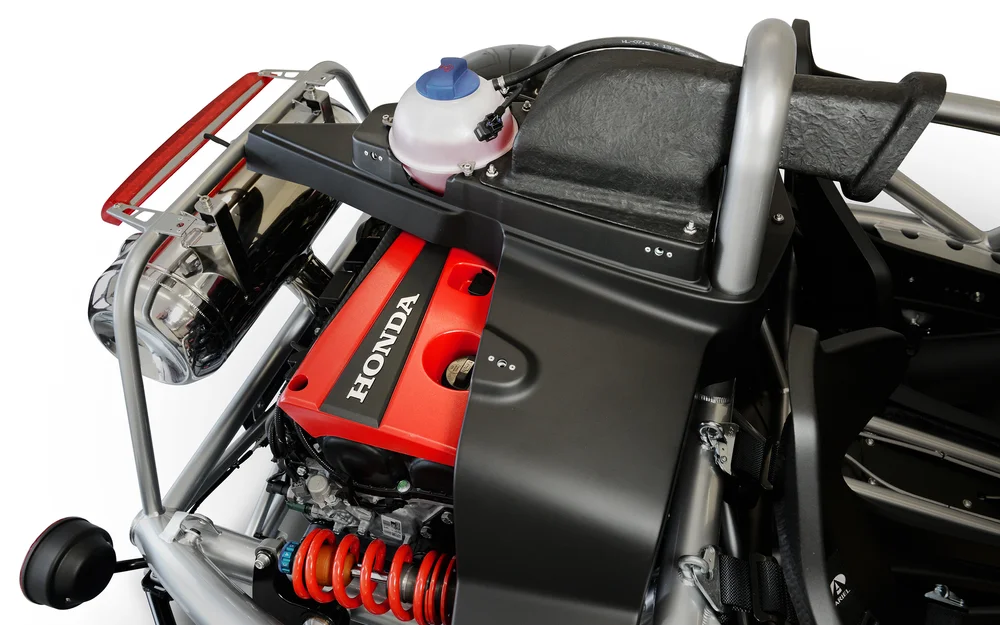
- Atom 4 (2018–present): A ground-up redesign powered by a 320 bhp turbocharged 2.0-litre Honda Civic Type R-derived engine. The most capable and most refined Atom ever built.
- Atom 4R (2020–present): The full track-specification variant, featuring advanced suspension tuning, aerodynamic enhancements, and further weight reduction. Essentially a racing car with number plates.
The Numbers: Staggeringly Light, Staggeringly Fast
The Ariel Atom 4 in its current form weighs between 456 kg and 550 kg depending on specification — a figure so low it almost defies comprehension in the context of modern vehicles. Against that featherweight mass, the 320 bhp turbocharged Honda engine produces a power-to-weight ratio that puts it firmly in hypercar territory.
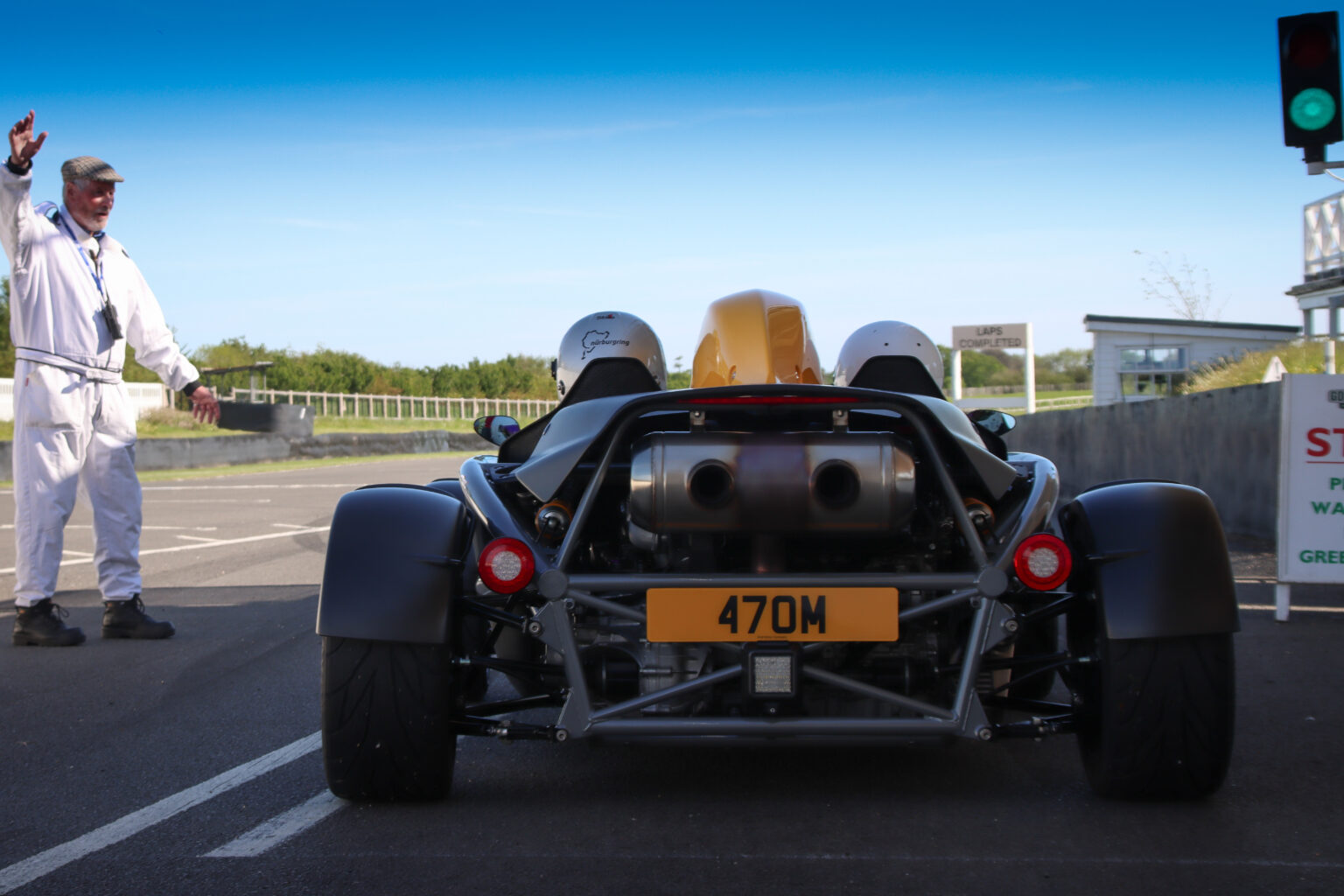
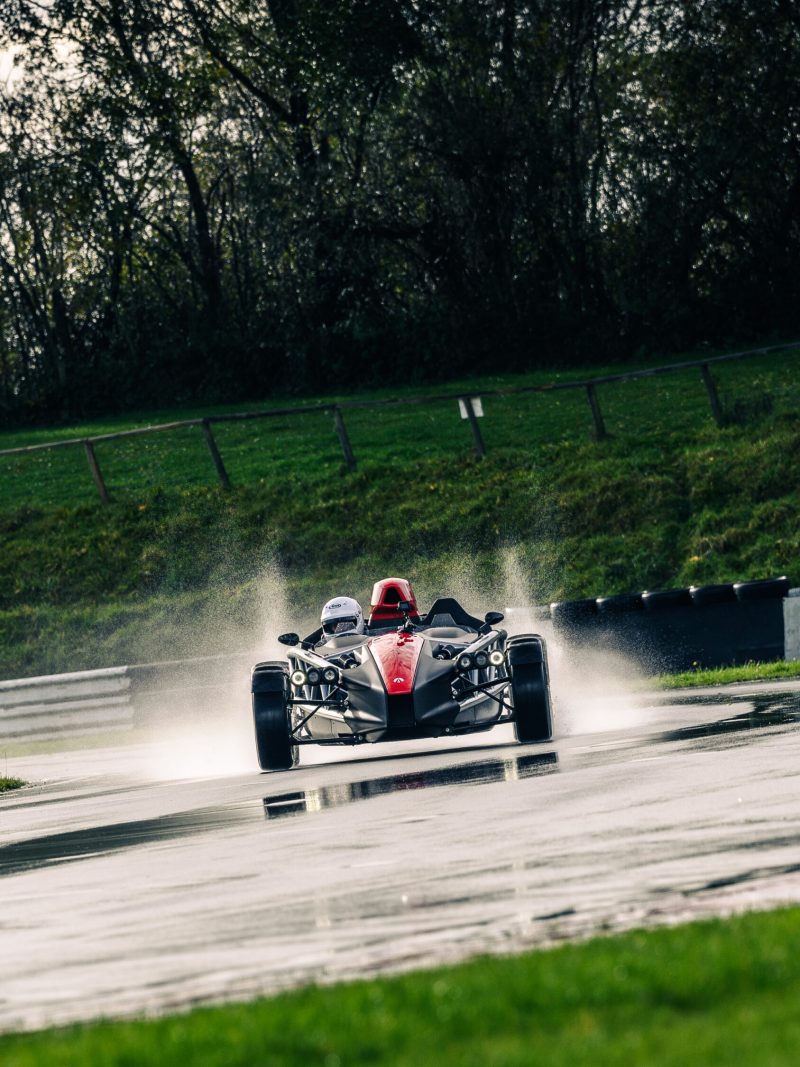
The result? A 0–100 km/h acceleration time of just 2.8 seconds. In an open-cockpit car with no roof, no doors, no windscreen, and no electronic performance aids masking the physics — that figure is not just impressive, it is viscerally, physically breathtaking when experienced first-hand. The Atom 4R pushes even further, with suspension and aerodynamic upgrades that transform an already extraordinary car into something that feels genuinely purpose-built for circuit work, while remaining fully road-legal.
The Driving Experience: Unfiltered, Unmatched, Unforgettable
Performance statistics, however remarkable, do not fully capture what makes the Ariel Atom the world's greatest lightweight sports car. What truly elevates it beyond all competition is the purity of the experience it delivers to the driver.
Sitting in the Atom, you are completely and utterly exposed. There is no bodywork surrounding you, no roof above you, no doors beside you, and in most configurations, no windscreen in front of you. The wind hits you directly, the engine note fills your ears without any acoustic filtering, and the road surface communicates itself through the seat, the steering wheel, and every molecule of your body with an immediacy and clarity that no conventionally-bodied car can ever replicate.
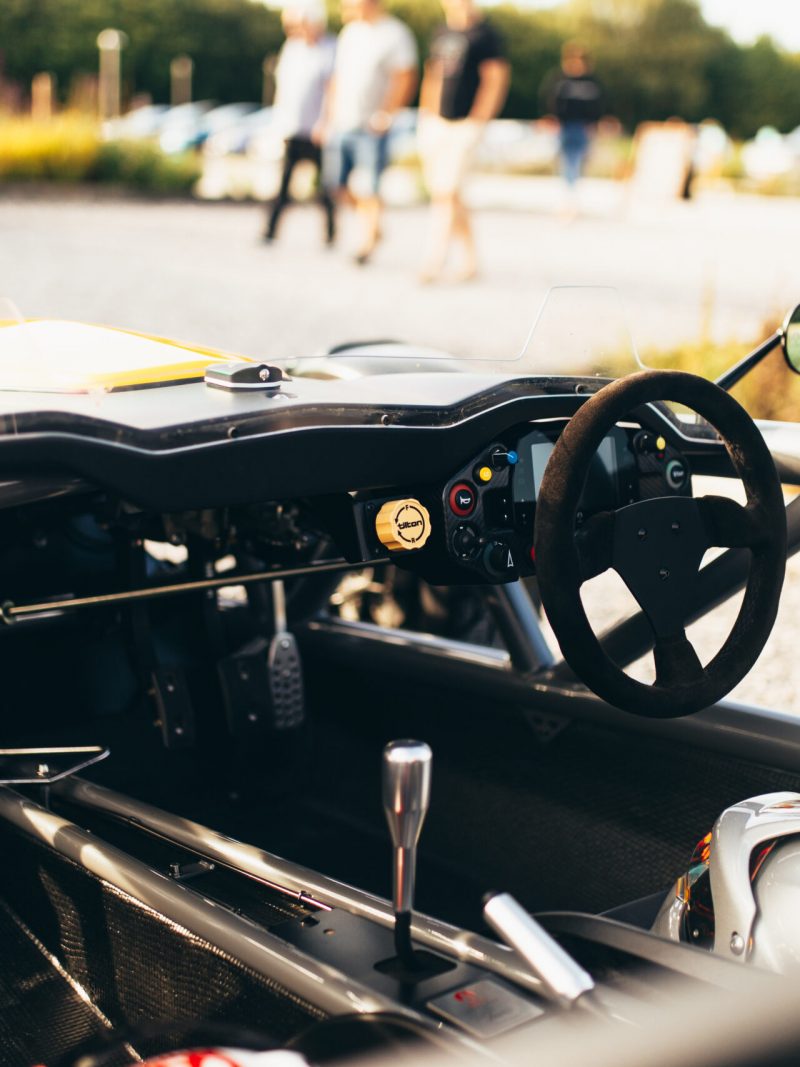
The steering is direct, linear, and extraordinarily communicative. The Atom's suspension — featuring pushrod-operated inboard coilovers at all four corners — delivers handling characteristics that are simply exceptional. Body roll is virtually non-existent. The car pivots with surgical precision through corners. And because the car weighs so little, the mechanical grip available is immense relative to what the chassis is being asked to manage.
In a world where modern performance cars increasingly rely on sophisticated electronics to manage their performance, the Atom demands — and rewards — actual driver skill. It makes you a better driver. It teaches you the fundamentals of car control in the most direct, immediate, and addictive classroom imaginable.
Why 100 Cars a Year Beats 10,000 Every Time
This is the heart of what makes Ariel and the Atom so utterly unique in the automotive world of 2026. Major manufacturers producing tens of thousands of sports cars annually face an impossible challenge: they must engineer their cars to appeal to the broadest possible market. That means comfort must be considered. Noise isolation must be addressed. Electronic safety nets must be layered in. The result, however brilliant the individual car may be, is always a compromise — a dilution of the pure driving experience in the name of mass-market accessibility.
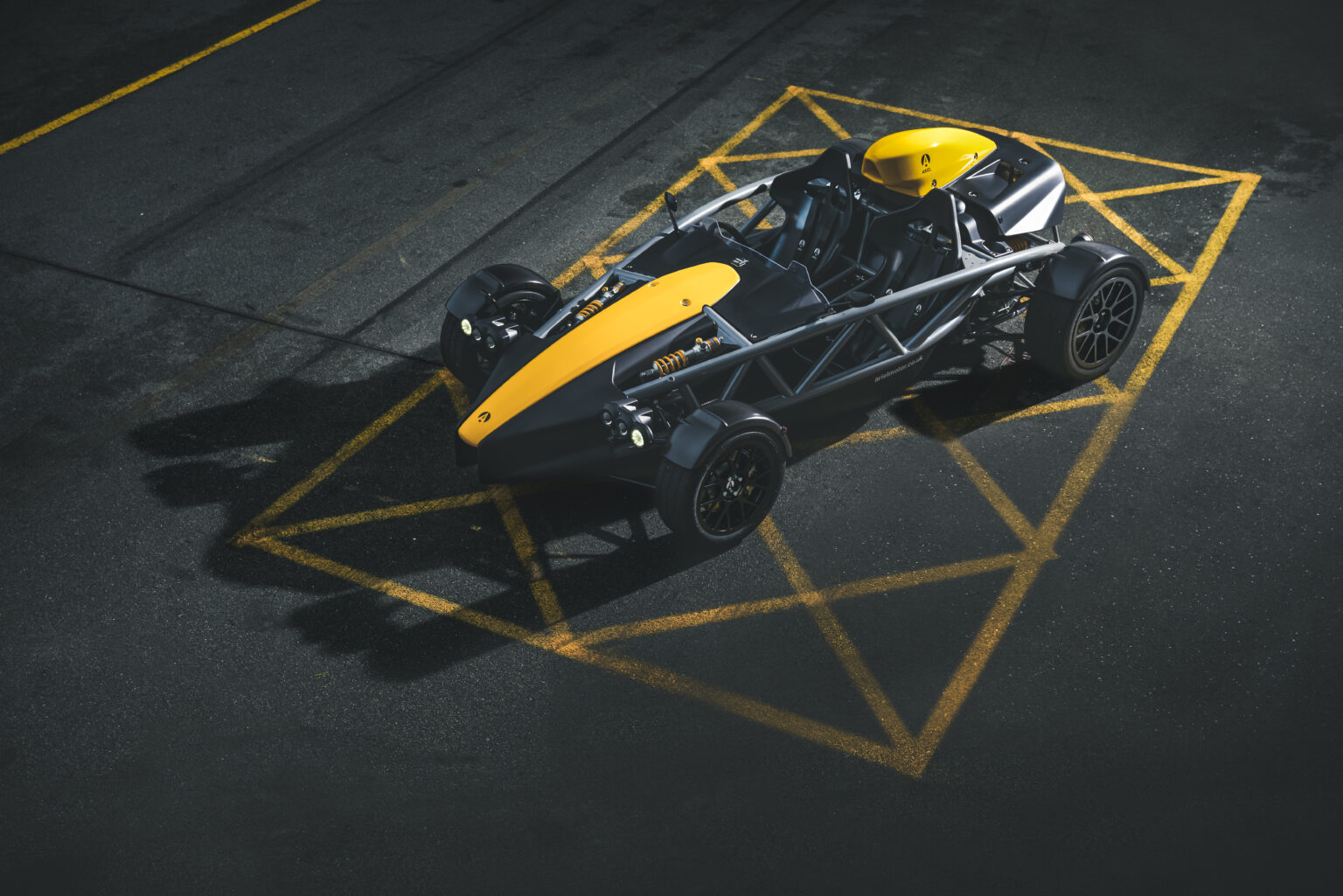
Ariel, building just around 100 cars per year, faces none of those pressures. Every single Atom is built for someone who specifically, consciously, and enthusiastically chose to buy a car with no roof, no doors, no windscreen, and no concessions to comfort whatsoever. The entire product is optimised from first principle to last rivet for one thing only: delivering the greatest possible driving experience. When you build 100 cars a year, every single one of them can be extraordinary. And every single one of them is.
The Atom also occupies a price point that, given what it delivers, represents arguably the greatest value proposition in high-performance motoring. The Ariel Atom 4 starts at approximately £38,000–£45,000 in the United Kingdom — a figure that grants access to an experience that genuinely surpasses what cars costing many multiples of that price can offer in terms of driver engagement, feedback, and sheer, unmediated thrills.
An Icon for the Ages
In 2026, as the automotive world accelerates toward electrification, autonomous driving, and increasingly screen-dominated cockpits, the Ariel Atom stands as a magnificent, defiant statement of what the car was always truly meant to be — a machine that connects driver to road in the most pure, direct, and thrilling manner possible.
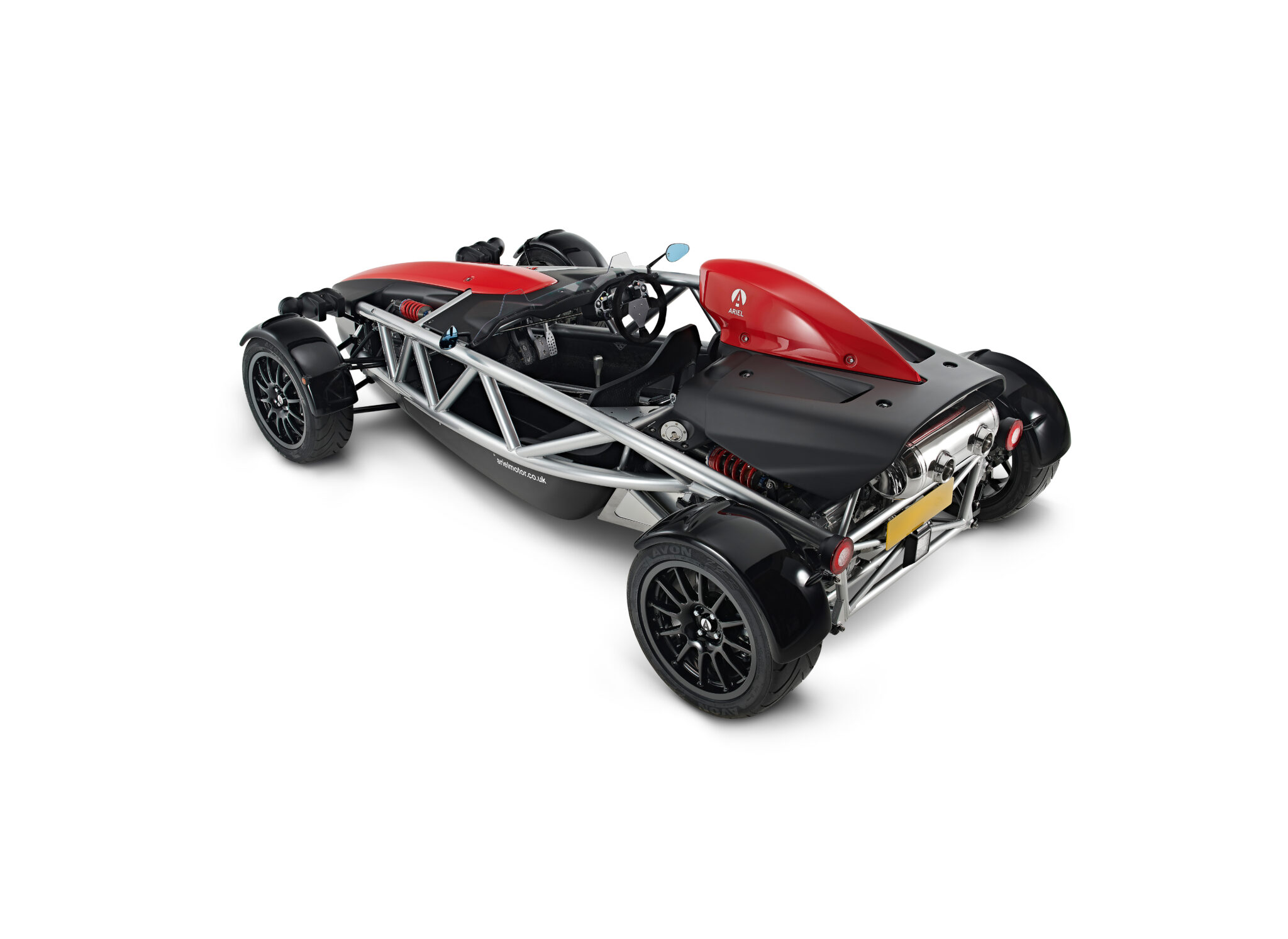
The fact that Ariel builds only around 100 of them each year is not a limitation. It is a declaration of intent. It is proof that the company refuses to compromise its vision, refuses to dilute its product, and refuses to be anything other than what it was always destined to be: the maker of the world's greatest lightweight sports car.
BakuWheels Final Word
At BakuWheels, we have driven, assessed, and reported on some of the most remarkable performance machines ever built. But the Ariel Atom occupies a category entirely its own — one that no other manufacturer has ever truly succeeded in challenging. It is raw where others are refined. It is honest where others are theatrical. It is focused where others are distracted. And it is hand-built, with extraordinary care and skill, just 100 times a year — which is precisely why every single one of them is a masterpiece. The Ariel Atom is not just the world's best lightweight sports car. It is one of the greatest things humanity has ever built on four wheels.