
A Historic Moment in Transportation History
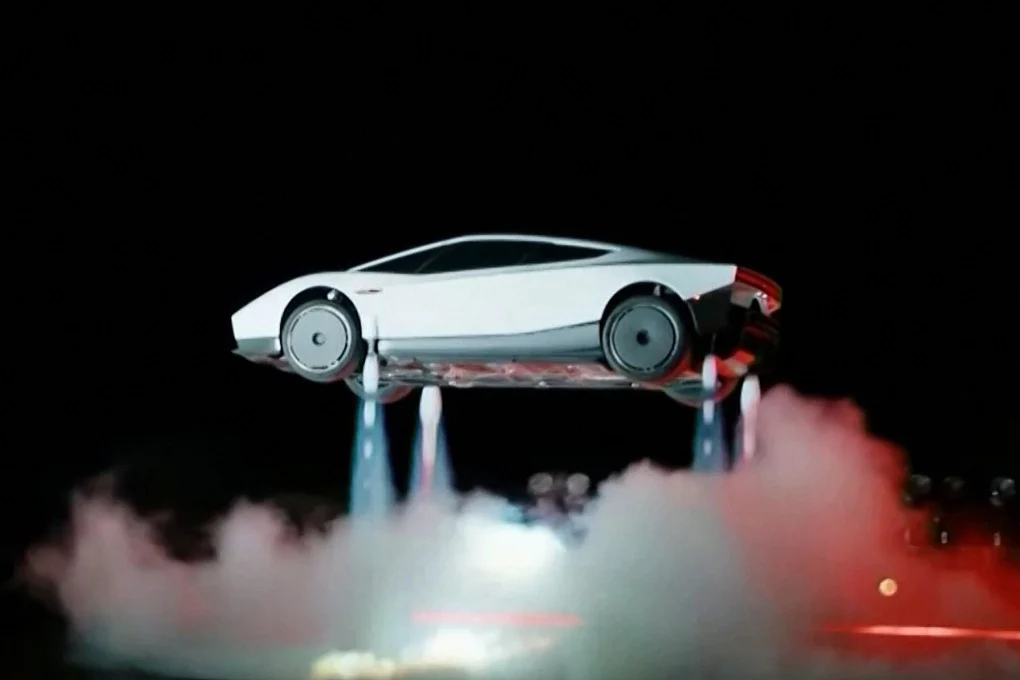
In what can only be described as a watershed moment for personal mobility, Elon Musk — the visionary entrepreneur behind Tesla, SpaceX, and X — officially unveiled what is being heralded as the world's first flying car in October 2026. The announcement sent shockwaves through both the automotive industry and the broader technology world, and at BakuWheels, we believe this development deserves serious attention from every car enthusiast and forward-thinking consumer in Azerbaijan.
What Exactly Was Revealed?
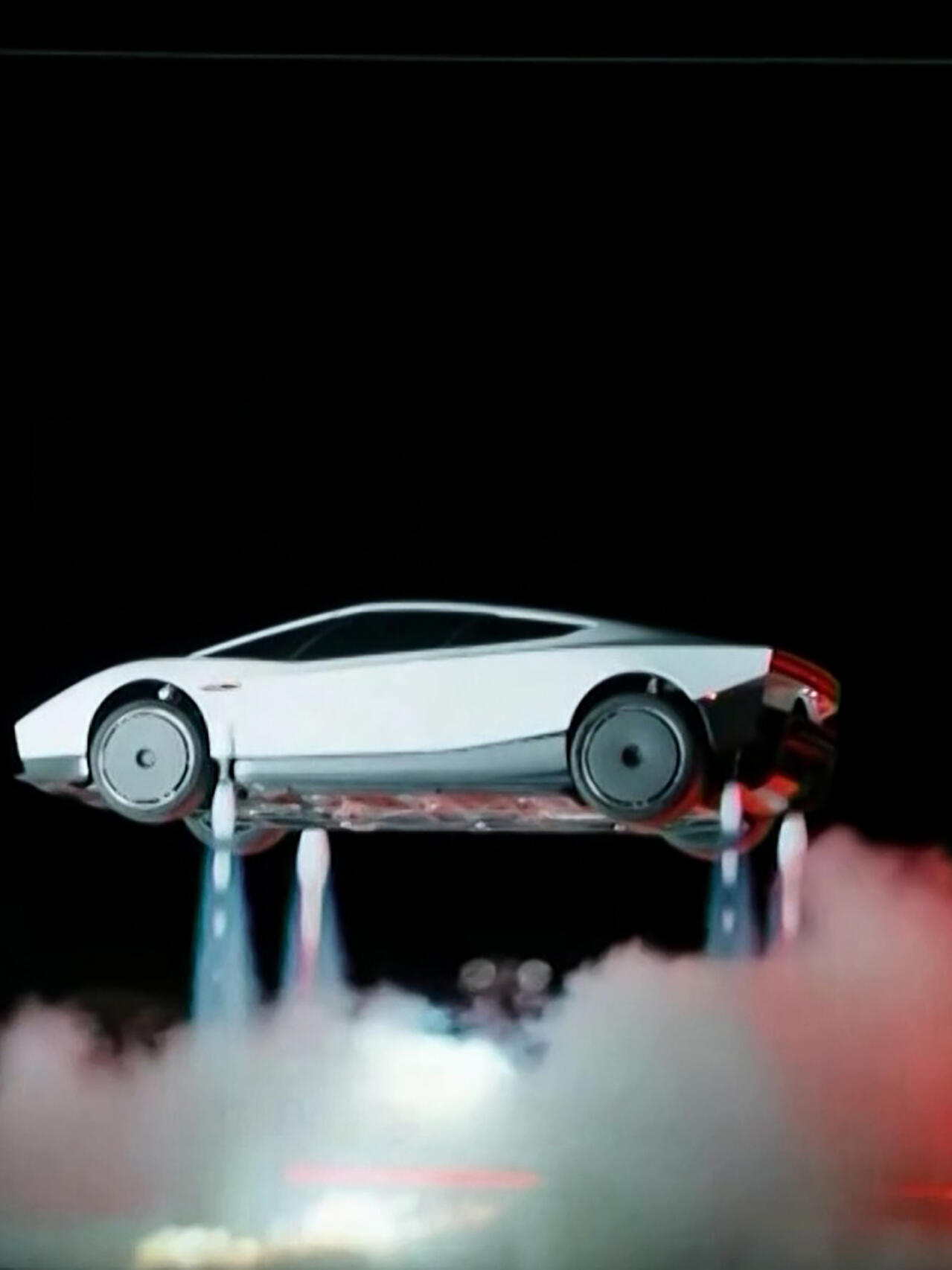
According to reports from The Guardian and multiple international sources, Musk took the wraps off a revolutionary vehicle that seamlessly bridges the gap between a road-going electric car and a personal aircraft. Developed under the combined engineering might of SpaceX's aerospace expertise and Tesla's electric vehicle technology, the flying car represents decades of parallel innovation finally converging into a single product.
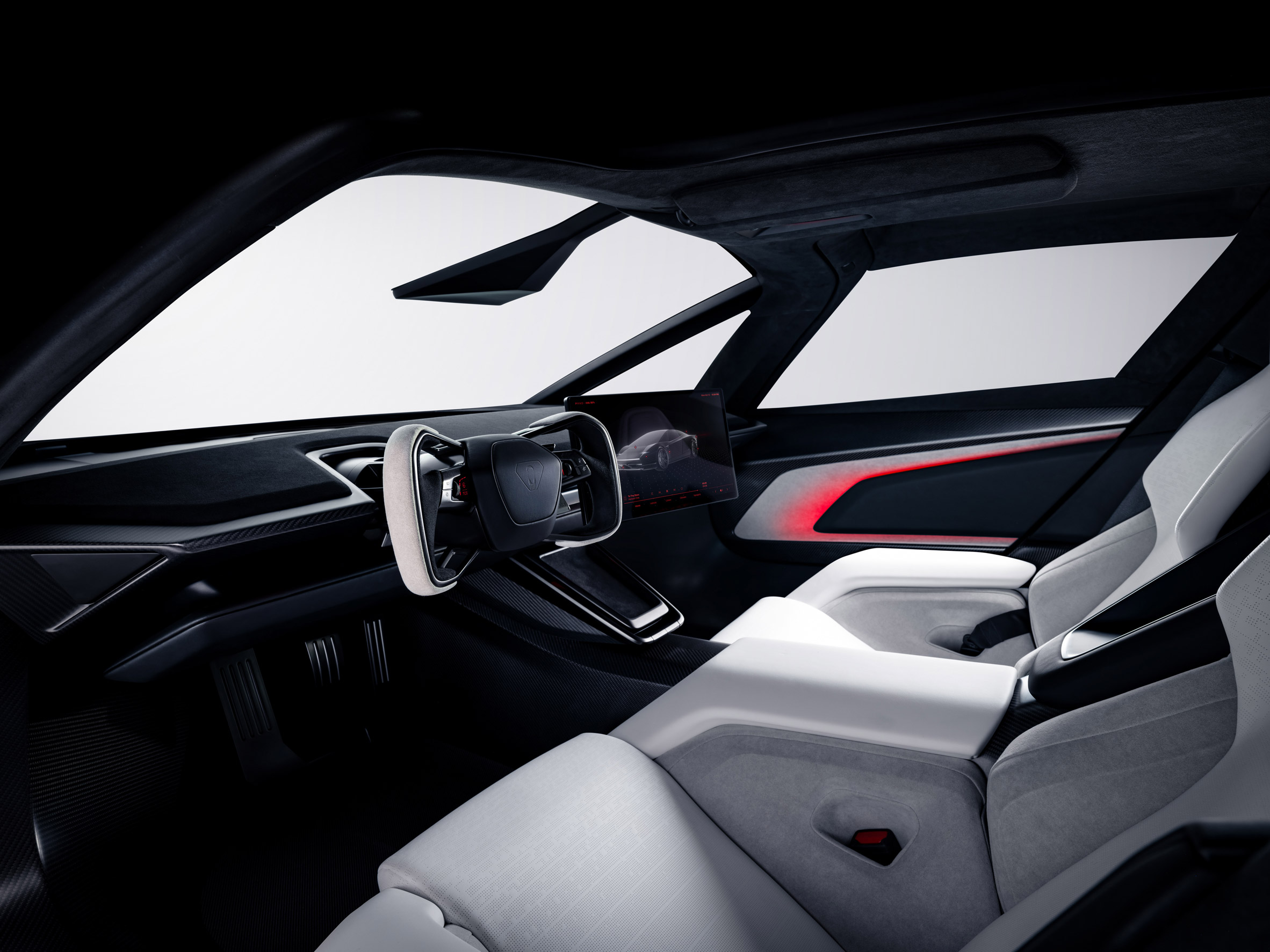
The vehicle is reported to feature Tesla's cutting-edge battery and electric powertrain technology integrated with SpaceX-derived propulsion systems, enabling it to operate both as a conventional electric car on public roads and as a vertical take-off and landing (VTOL) aircraft in the air. While full technical specifications are still being released in stages, the initial reveal showcased a sleek, aerodynamically optimized body that looks unmistakably futuristic yet retains familiar Tesla design DNA.
The Technology Behind the Revolution
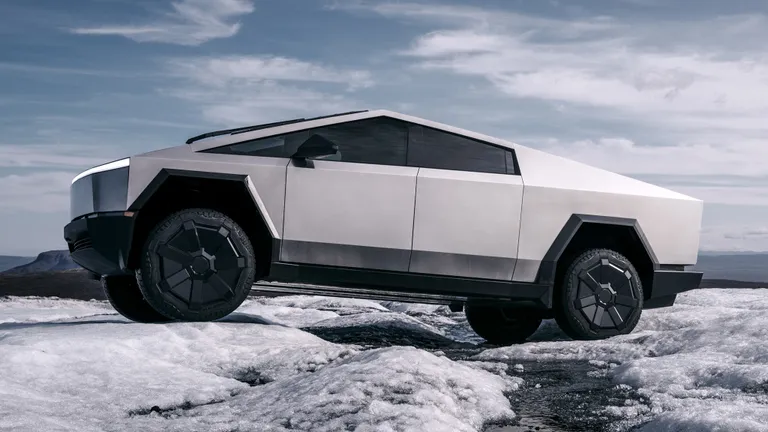
What makes this announcement particularly credible — and exciting — is the unique combination of organizations backing it. Tesla has already proven its dominance in the electric vehicle space with models like the Tesla Model S, Tesla Model X, Tesla Model 3, and the futuristic Tesla Cybertruck.
Meanwhile, SpaceX has demonstrated unmatched aerospace engineering capability through its Falcon 9 rockets, Starship program, and reusable rocket technology. The marriage of these two technological powerhouses means the flying car is not a concept or a distant dream — it is a product built on proven, battle-tested engineering platforms.
Key technologies expected in the flying car include:
- Advanced VTOL Propulsion: Multiple electric rotors enabling vertical take-off and landing, similar in concept to a scaled-up drone but with far greater power and safety redundancy.
- Tesla Full Self-Driving (FSD) Integration: Autonomous navigation both on roads and in the air, leveraging Tesla's years of real-world AI training data.
- SpaceX-grade Materials: Lightweight but incredibly strong composite materials derived from SpaceX's spacecraft manufacturing experience.
- Next-Generation Battery Pack: A high-density energy storage system capable of supporting the extreme power demands of both road driving and flight.
- Intelligent Air Traffic Management: Integration with existing and emerging urban air traffic control systems.
Why This Matters for Azerbaijan
At BakuWheels, we don't just cover global automotive news — we analyze what it means for our readers here in Azerbaijan. Baku, as a rapidly modernizing capital city with ambitious smart city aspirations, is precisely the kind of urban environment where flying car technology could eventually find meaningful application.
Azerbaijan's growing appetite for premium and technologically advanced vehicles is well documented. Tesla vehicles, though not yet officially distributed through a local dealer network, have been increasingly spotted on Baku's roads as private imports. The launch of a Tesla flying car will undoubtedly intensify that interest further.
Furthermore, Azerbaijan's Oil Fund (SOFAZ) and State Oil Company (SOCAR) have been actively investing in diversified and technology-forward sectors. The emergence of electric vertical take-off and landing (eVTOL) vehicles as a serious commercial category could open new investment and infrastructure discussions at the national level.
Competition in the Flying Car Space
It is important to note that Tesla and SpaceX are entering a space that already has several ambitious players. Companies such as Joby Aviation, Lilium, Archer Aviation, and Wisk Aero have been developing eVTOL aircraft for urban air mobility for several years. However, none of them carry the brand recognition, manufacturing scale, or financial firepower that Elon Musk brings through the combined Tesla-SpaceX ecosystem.
The key differentiator here is the dual-mode capability — the ability to drive on a road like a normal car AND fly. Most existing eVTOL players are focused purely on air taxis or point-to-point aerial commuting, not a true hybrid road-and-air vehicle. If Tesla has genuinely cracked this challenge, it would represent a quantum leap beyond anything currently on the market.
Regulatory and Safety Considerations
Of course, no discussion of flying cars is complete without addressing the substantial regulatory and safety hurdles involved. Aviation authorities worldwide, including the US Federal Aviation Administration (FAA) and European Union Aviation Safety Agency (EASA), have extremely rigorous certification standards for any vehicle operating in airspace. Tesla will need to navigate these frameworks carefully before any consumer deliveries can begin.
Musk, who has a track record of ambitious timelines (and occasionally pushing them back), has not yet confirmed a specific commercial availability date. However, given SpaceX's deep regulatory experience with the FAA and Tesla's established manufacturing and safety culture, the timeline — while uncertain — is more credible than it would be from a startup with no aerospace pedigree.
What Could It Cost?
Pricing has not been officially confirmed, but industry analysts and automotive journalists widely expect the initial models to be positioned in the ultra-premium segment — potentially starting anywhere from $200,000 to $500,000 USD or more. This places it firmly in the territory of exotic supercars and private aircraft, at least in its early iterations.
However, Musk has consistently stated his long-term vision of making Tesla products accessible to the mass market over time. If history with the Model S leading to the more affordable Model 3 is any guide, a more accessible flying car could eventually follow — though that timeline is likely measured in decades rather than years.
BakuWheels Expert Verdict
As automotive journalists who closely monitor global innovations and their relevance to the Azerbaijani market, we at BakuWheels see Elon Musk's flying car reveal as one of the most significant automotive announcements of the decade. Whether it arrives as promised, faces delays, or evolves into something slightly different from what was revealed, the direction of travel is clear: the boundaries between cars and aircraft are beginning to dissolve.
For Azerbaijani consumers and investors, our advice is to watch this space very closely. The premium EV market is already gaining traction in Baku, and the emergence of personal aerial mobility as a real product category — backed by the world's most recognized EV brand — signals that the future of transportation is arriving faster than most people anticipated.
We will continue to track all developments related to the Tesla flying car and bring you the most detailed, relevant, and accurate coverage as this story evolves. Stay tuned to BakuWheels — your trusted source for automotive news in Azerbaijan.