
Hyundai Palisade Recalled Over Brake Fluid Leak Risk
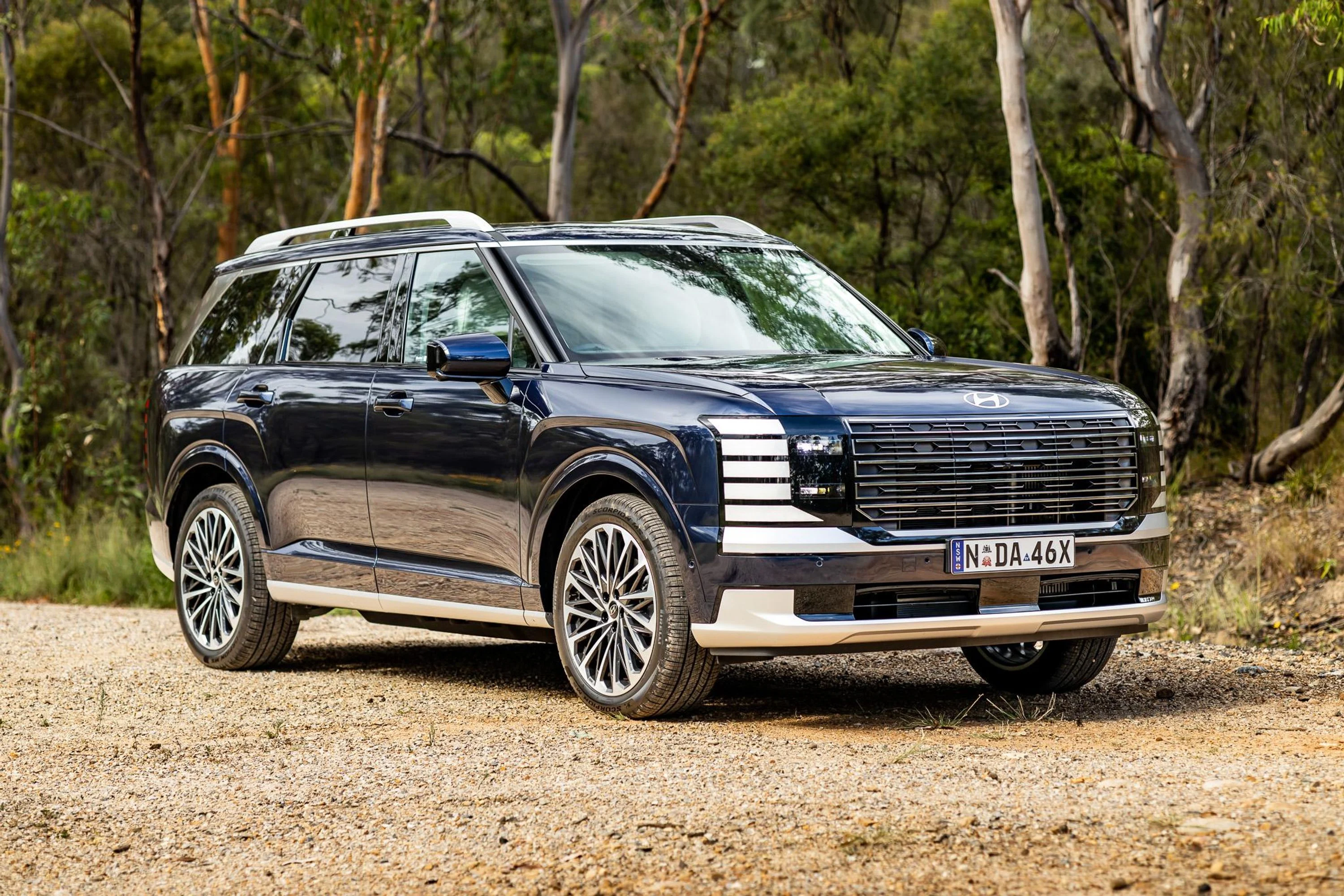
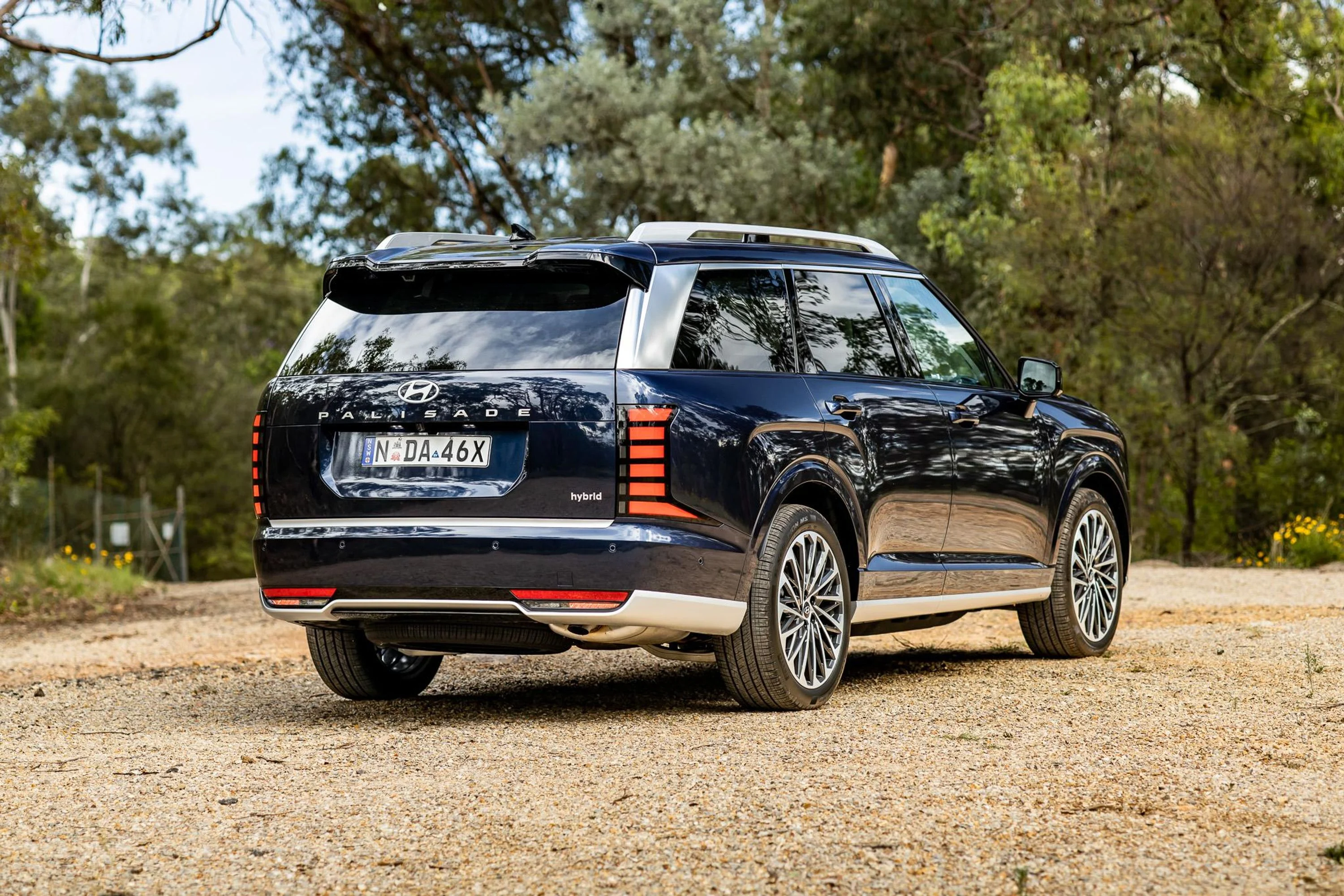
Hyundai Australia has issued an official safety recall for the Hyundai Palisade, the brand's flagship three-row SUV, due to a potentially serious brake system defect. The recall centres on the risk of brake fluid leaking from the integrated brake booster unit, which could compromise braking performance and significantly increase the risk of a collision.
What Is the Problem?
According to the recall notice published by the Australian Competition and Consumer Commission (ACCC) and reported by CarExpert, the defect involves the integrated brake booster in certain Palisade models. Brake fluid may leak from this component, and if the leak is significant enough, it can lead to a reduction in braking effectiveness — a critical safety concern for occupants and other road users alike.
In worst-case scenarios, reduced braking performance increases stopping distances, which can result in a serious or fatal crash. Hyundai has urged affected owners not to delay in having their vehicles inspected and repaired.
Which Vehicles Are Affected?
The recall applies to Hyundai Palisade vehicles sold in Australia. Owners of affected vehicles are being contacted directly by Hyundai, and the remedy involves inspection and replacement of the faulty component at no cost to the customer. Owners who are uncertain whether their vehicle is affected can check via the ACCC's Product Safety Australia recall database using their Vehicle Identification Number (VIN).
What Should Owners Do?
Hyundai Australia is contacting all registered owners of affected Palisade vehicles. Owners are advised to:
- Check whether their VIN is included in the recall via the ACCC recall portal or the Hyundai Australia website.
- Contact their nearest Hyundai dealership to arrange an inspection and free repair.
- Avoid driving the vehicle if any reduction in brake performance is noticed, such as a soft brake pedal or brake warning light illumination.
Hyundai's Recent Recall History — A Pattern Worth Noting
The Palisade recall is not an isolated incident. Hyundai has faced a number of significant recalls globally and in Australia in recent years. As an automotive expert journalist, it is important to provide the full picture of Hyundai's recent recall activity:
1. Hyundai Tucson — Engine Fire Risk
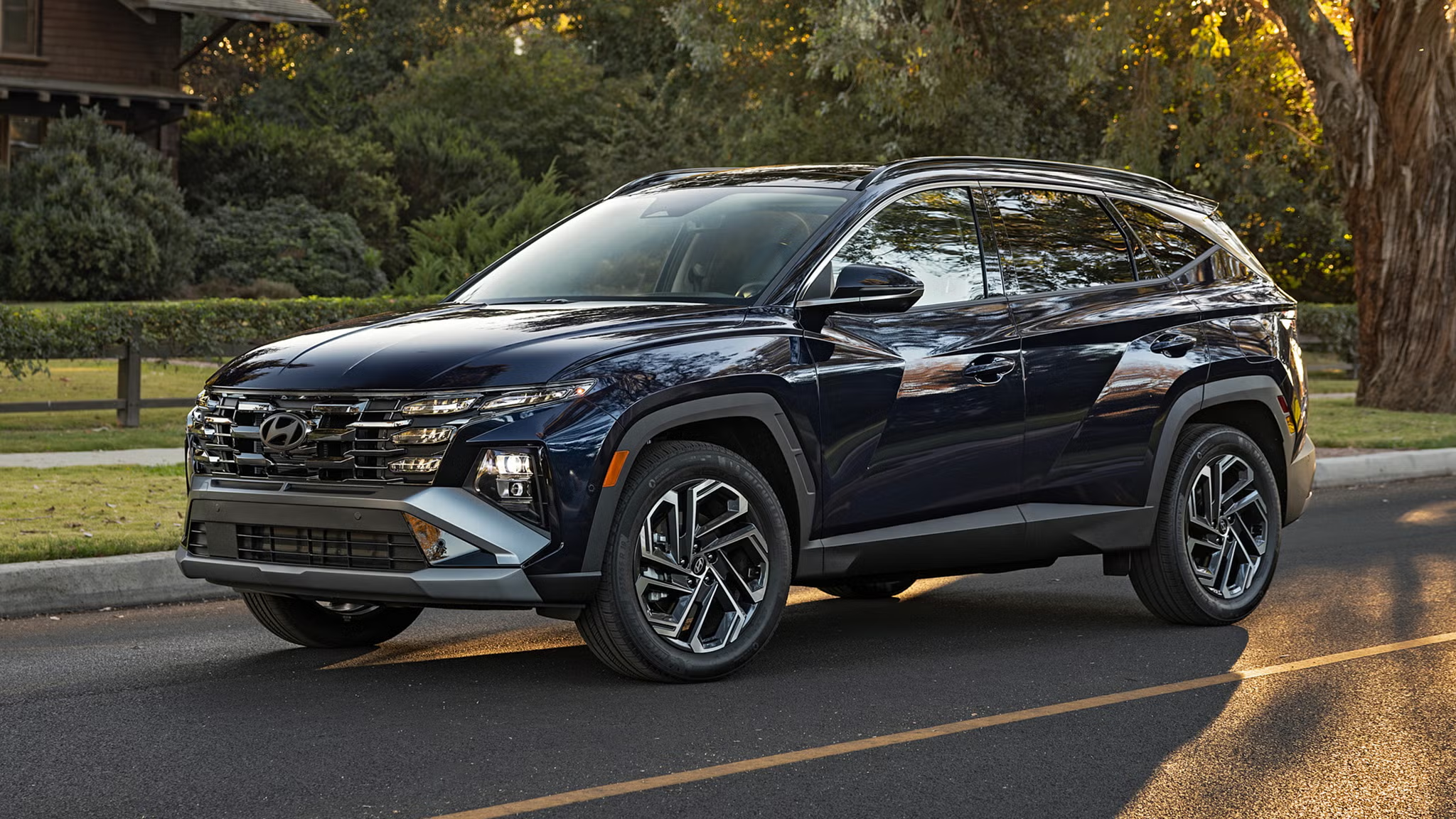
The Hyundai Tucson was subject to a recall related to a potential engine oil leak that could cause a fire. This recall affected a broad range of model years and required inspection of the engine oil supply pipe and replacement where necessary.
2. Hyundai Ioniq 5 — High-Voltage Battery Issue
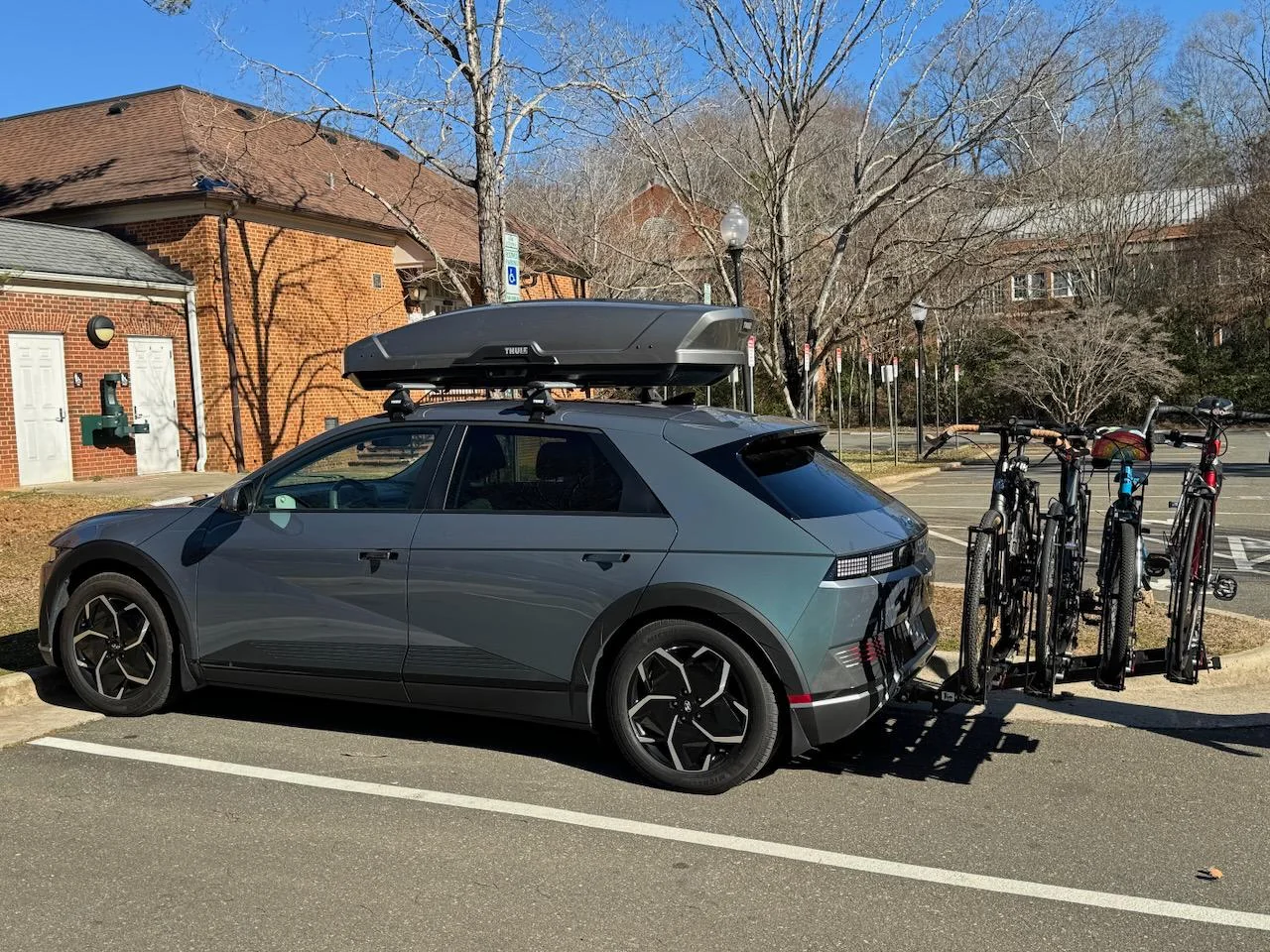
The Hyundai Ioniq 5, one of the brand's most celebrated electric vehicles, was recalled over concerns about a potential fault in the high-voltage battery management system. The issue could cause the vehicle to lose drive power unexpectedly, posing a significant safety risk, particularly at higher speeds.
3. Hyundai Santa Fe — Fuel Leak Risk
The Hyundai Santa Fe was recalled due to a potential fuel leak in the high-pressure fuel pipe. A fuel leak near hot engine components raises the risk of a vehicle fire, making this a serious safety concern. Dealers were instructed to inspect and replace the fuel pipe assembly free of charge.
4. Hyundai Kona Electric — Battery Fire Risk
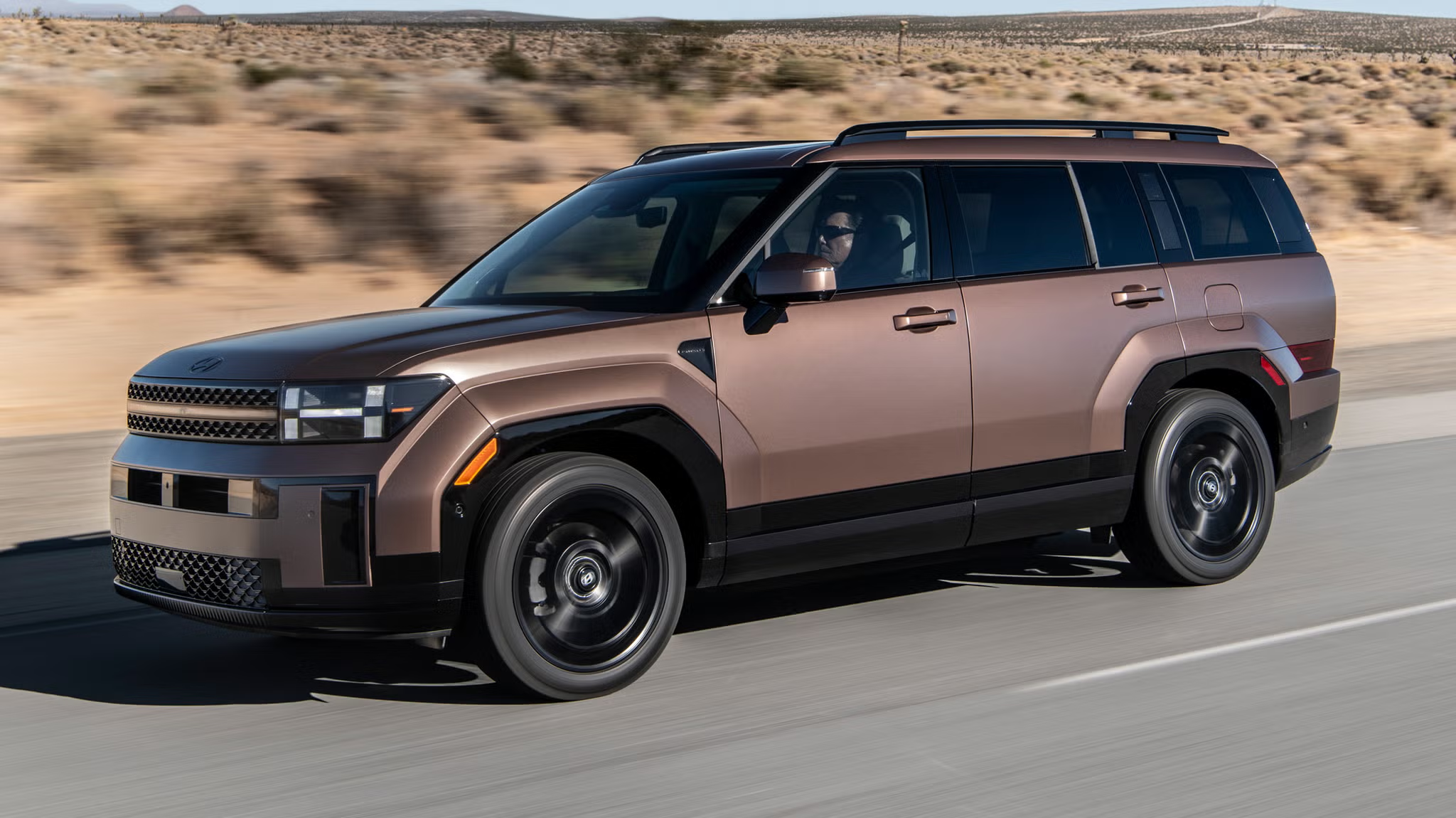
Perhaps one of Hyundai's most high-profile recalls, the Hyundai Kona Electric was recalled globally due to an increased risk of battery fire. The recall involved a software update to the battery management system and, in some cases, physical replacement of the battery pack — an extensive and costly remedy that highlighted concerns about EV battery safety standards.
5. Hyundai i30 — Airbag and Brake Issues
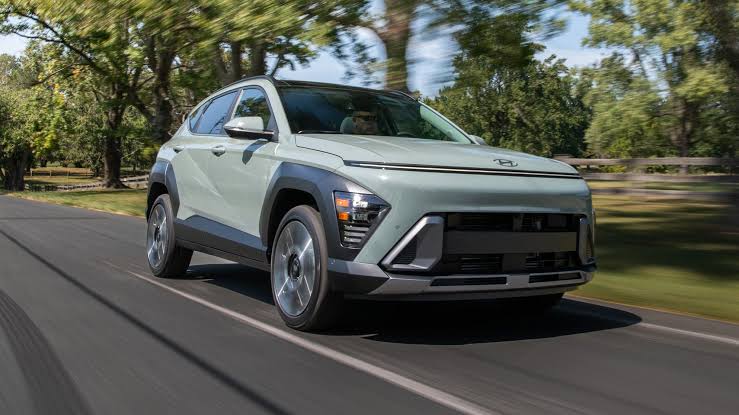
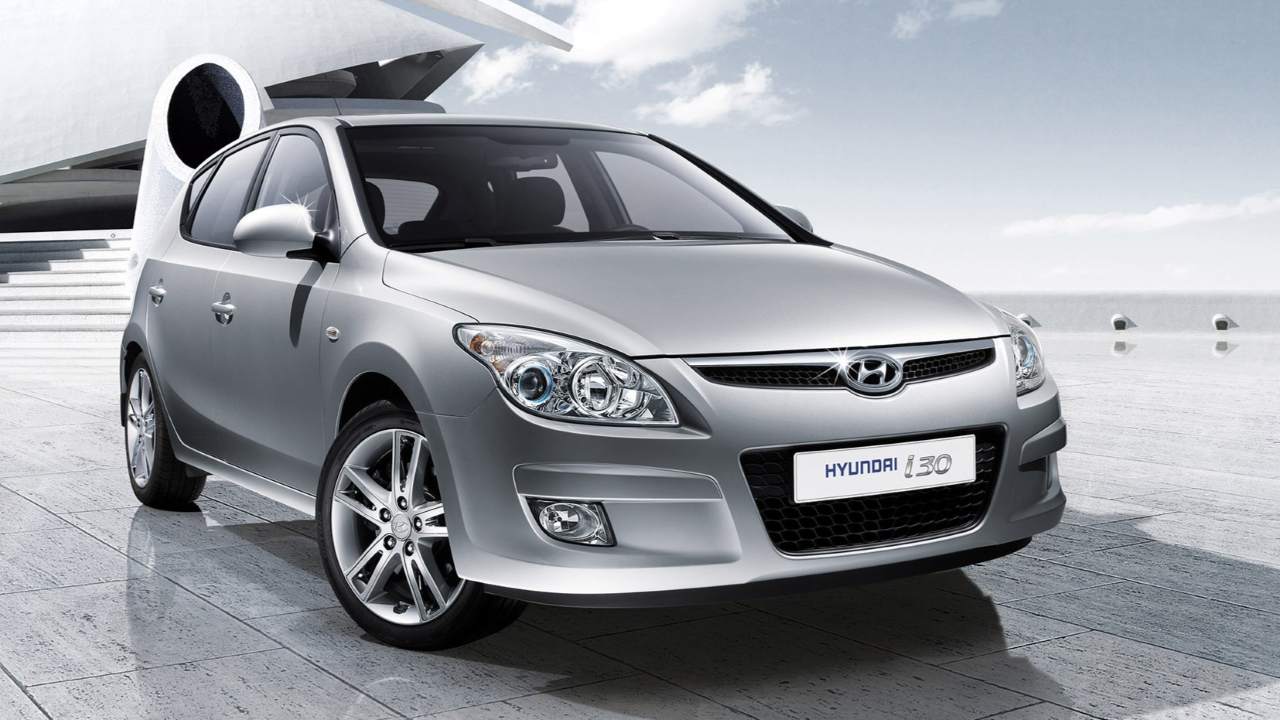
The popular Hyundai i30 has been subject to multiple recalls over the years, including issues related to faulty Takata airbag inflators — part of the global Takata airbag crisis — as well as separate concerns about brake booster vacuum hose integrity. These recalls reinforce the need for regular safety checks even on everyday passenger vehicles.
Hyundai's Response and Commitment to Safety
To Hyundai's credit, the brand has consistently cooperated with regulatory bodies such as the ACCC in Australia and the NHTSA in the United States to issue timely recalls and provide free remedies to affected customers. Safety recalls, while concerning for consumers, are a sign that manufacturers are actively monitoring their vehicles in the field and taking action when defects are identified.
Hyundai has stated that customer safety remains its top priority and that it works closely with dealers to ensure recalls are completed as swiftly as possible. The brand's global quality assurance teams are continuously evaluating field data to detect and address potential issues before they escalate.
BakuWheels Expert Verdict
The Hyundai Palisade recall serves as a timely reminder that even premium, well-engineered SUVs are not immune to manufacturing defects. Brake system integrity is non-negotiable when it comes to vehicle safety, and any issue affecting braking performance must be taken with the utmost seriousness.
If you own a Hyundai Palisade or any other Hyundai vehicle, we strongly recommend checking your VIN against the latest recall database immediately. Do not wait for your dealership to contact you — be proactive about your safety and the safety of those around you on the road.
BakuWheels will continue to monitor and report on all significant automotive recalls affecting vehicles available in our market and beyond.