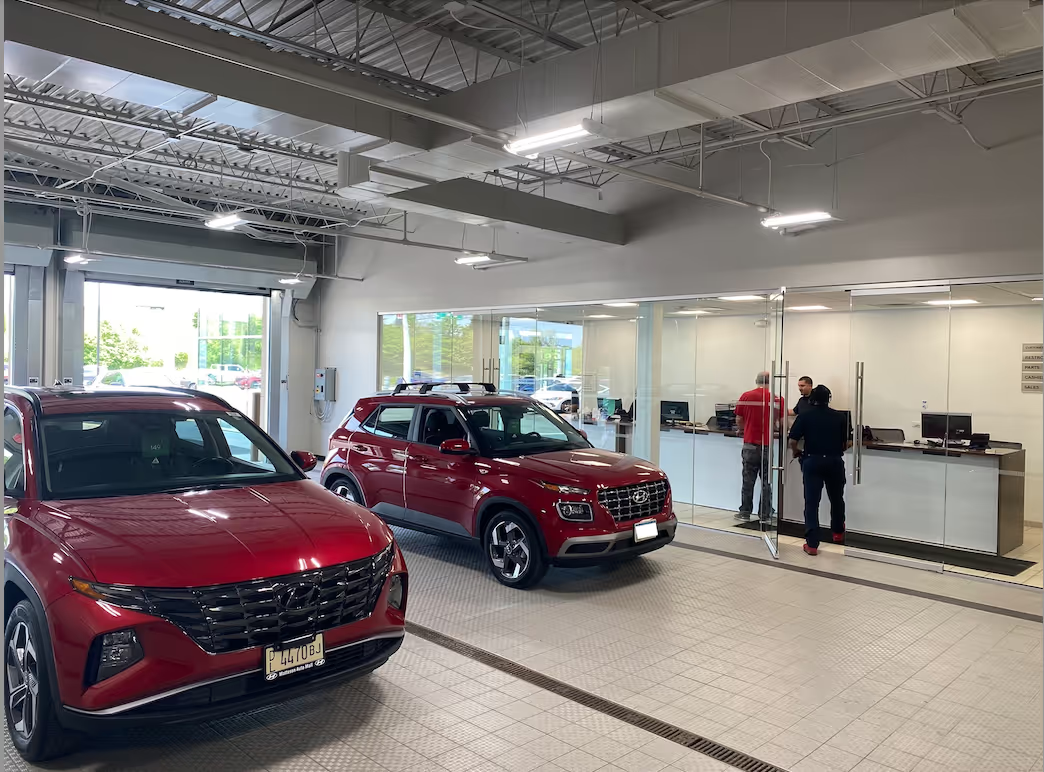
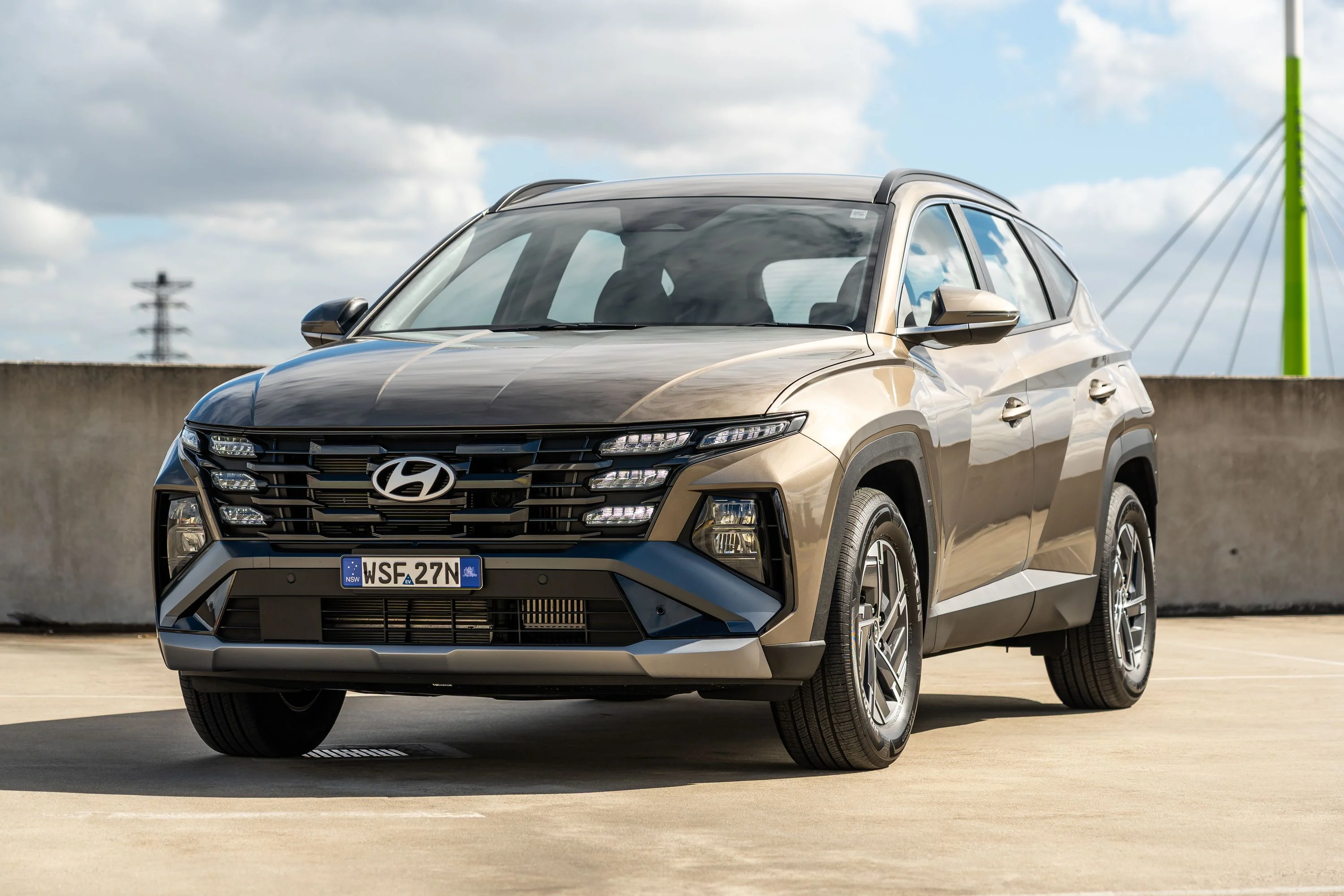
Hyundai Australia has launched a significant safety recall affecting the popular Hyundai Tucson SUV, citing a potentially dangerous brake fluid leak that could result in an engine fire. The recall, listed under the Australian Competition and Consumer Commission (ACCC) Product Safety Recalls database, highlights a critical engineering concern that all Tucson owners must take seriously.
What Is the Problem?
According to the official recall notice, the issue stems from the Hydraulic Electronic Control Unit (HECU) — a component integral to the Anti-lock Braking System (ABS) and Electronic Stability Control (ESC). The HECU may develop an internal short circuit, which can cause the unit to overheat. This overheating can, in turn, lead to brake fluid leaking and potentially igniting — creating a serious fire hazard, even when the vehicle is parked and the engine is switched off.
This is particularly alarming because a fire risk that exists while the car is stationary and unattended significantly increases the danger to property and potentially life.
Which Hyundai Tucson Models Are Affected?
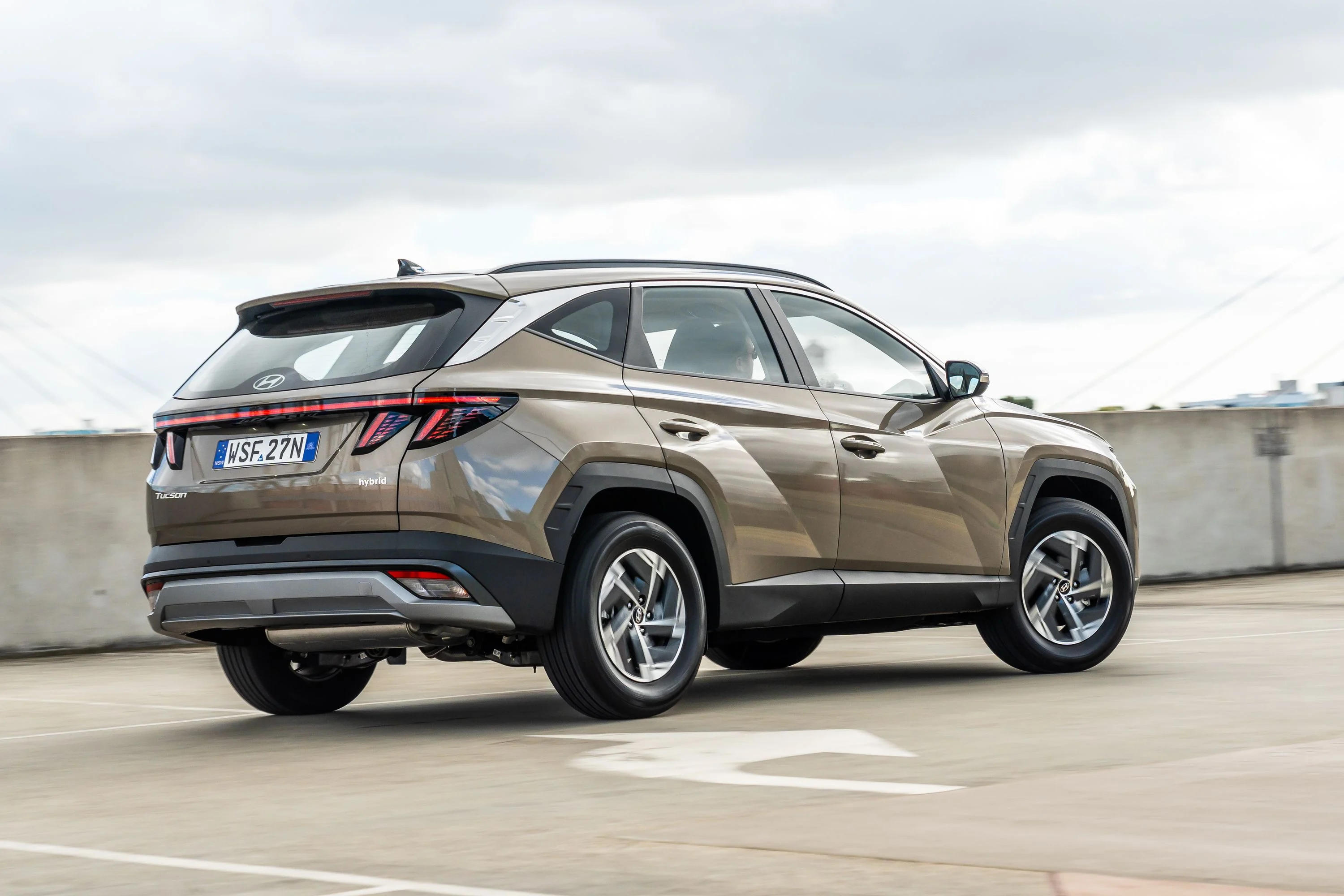
The recall covers specific build years and variants of the Hyundai Tucson. Based on information provided through the ACCC and Hyundai Australia, the affected vehicles include Tucson models from certain production periods. Hyundai has advised all owners to check their Vehicle Identification Number (VIN) via the official Hyundai Australia recall portal or by contacting their nearest authorised Hyundai dealership.
How Many Vehicles Are Affected?
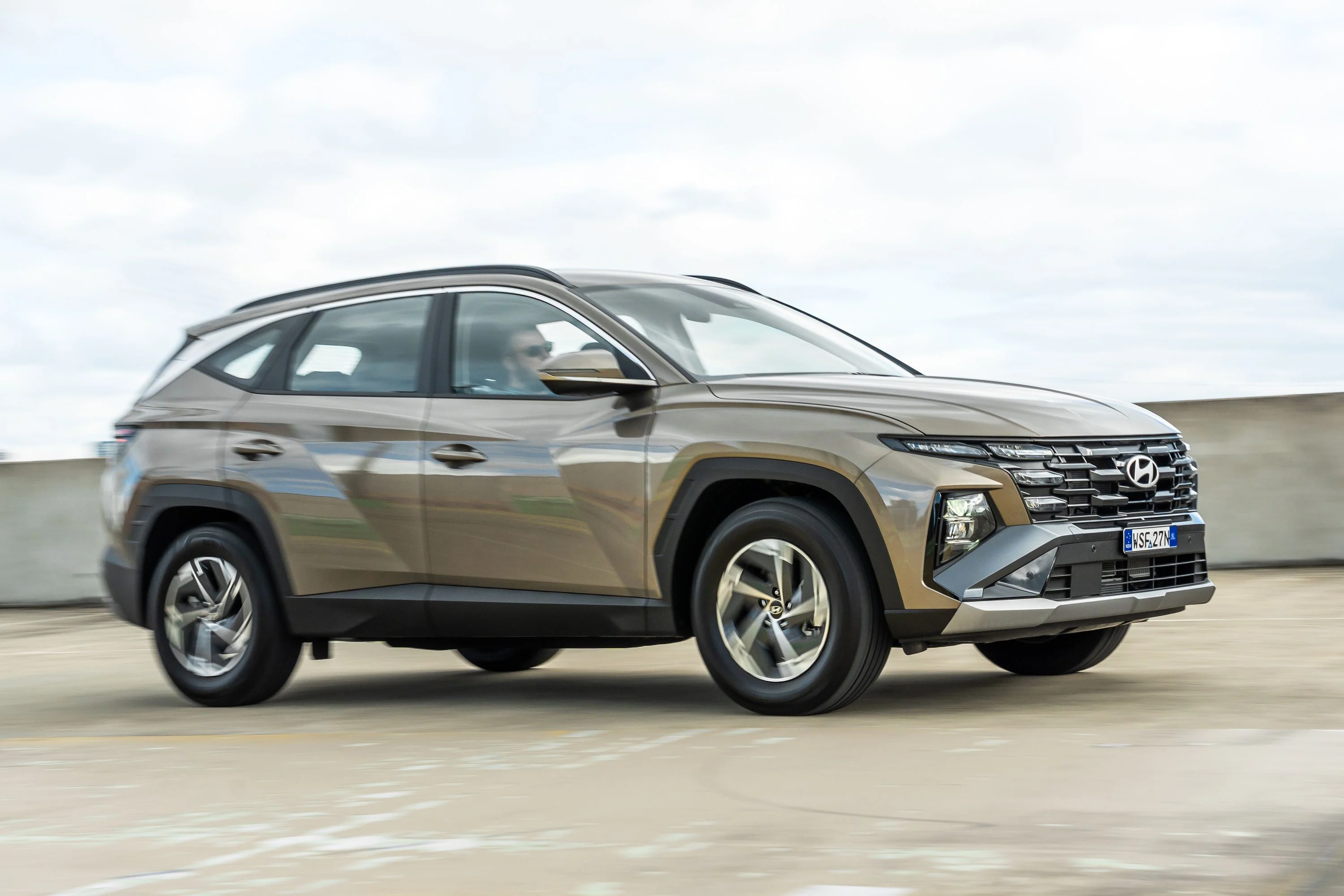
The recall encompasses thousands of Hyundai Tucson units across Australia. Hyundai has proactively notified registered owners via written correspondence and is urging all affected customers to book their vehicle in for the free-of-charge remedy as soon as possible.
What Is the Fix?
Hyundai Australia has confirmed that authorised dealerships will replace the HECU unit at no cost to the vehicle owner. The repair is expected to be straightforward and completed within a reasonable timeframe. Owners are strongly urged not to delay in scheduling this repair, given the fire risk involved.
What Should Affected Owners Do?
- Check if your vehicle is affected by entering your VIN on the Hyundai Australia Recall website or the ACCC Product Safety Recalls portal.
- Contact your nearest Hyundai authorised dealership to book a free repair appointment.
- Until the repair is completed, Hyundai advises owners to remain vigilant. If you notice any unusual smells, smoke, or warning lights, do not drive the vehicle and contact emergency services if necessary.
- As a precaution, consider not parking your vehicle in an enclosed garage until the repair has been completed.
The Broader HECU Recall Issue — A Global Concern
This is not an isolated incident. The HECU-related brake fluid fire risk has been a global issue affecting multiple Hyundai and Kia models in recent years. Both Hyundai and its affiliate Kia have faced HECU-related recalls across the United States, South Korea, Canada, Europe, and now Australia. The issue has been serious enough for regulatory agencies worldwide to issue warnings and mandate recalls.
In the United States alone, millions of Hyundai and Kia vehicles have been recalled due to fire-related risks over the past several years, with some incidents resulting in total vehicle loss. The National Highway Traffic Safety Administration (NHTSA) has been closely monitoring these cases.
Other Hyundai and Related Recalls in 2025–2026
The Tucson recall is part of a broader wave of automotive safety recalls taking place globally in 2025 and into 2026. Here are some of the other notable recalls involving Hyundai and related brands:
1. Hyundai Sonata and Elantra — Engine Fire Risk
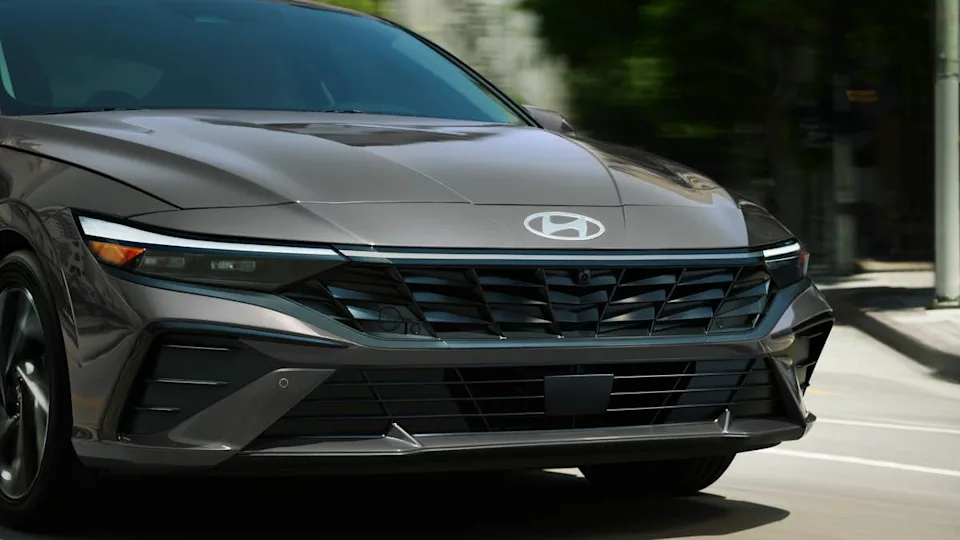
Hyundai has also issued recalls for the Hyundai Sonata and Hyundai Elantra in multiple markets, again related to fire risks originating from engine compartment faults and electrical system anomalies. Owners of these models are also advised to check recall status.
2. Kia Sportage and Sorento — HECU Related Recall
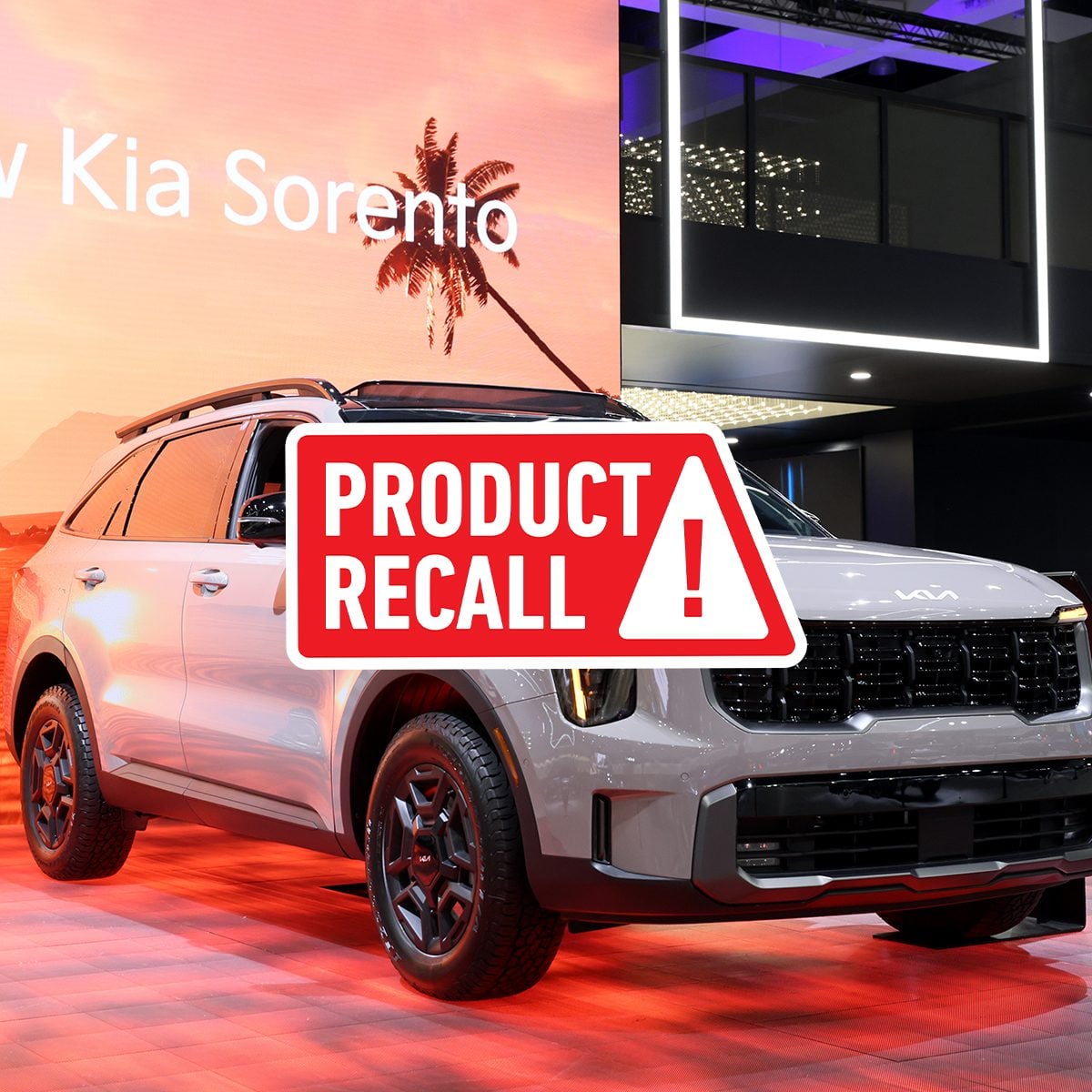
Sharing the same platform and mechanical components as the Tucson, the Kia Sportage and Kia Sorento have been subject to similar HECU-related recalls in various markets. Kia owners should also verify their VIN against active recall listings.
3. Hyundai Ioniq 5 and Ioniq 6 — Software and Battery Recalls
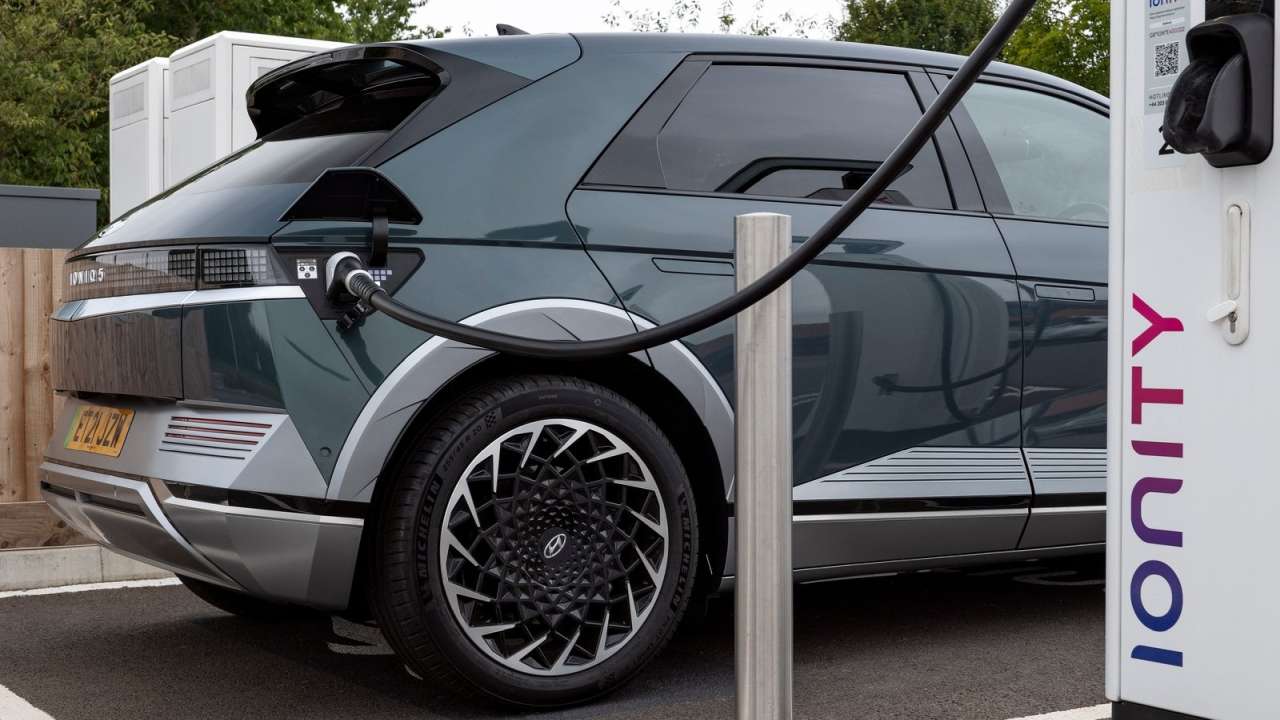
Hyundai's electric vehicle lineup, including the Hyundai Ioniq 5 and Hyundai Ioniq 6, has also faced recalls in 2025 related to battery management software issues that could, in rare cases, affect charging behavior and potentially lead to thermal events. These recalls were largely addressed via over-the-air (OTA) software updates in compatible vehicles.
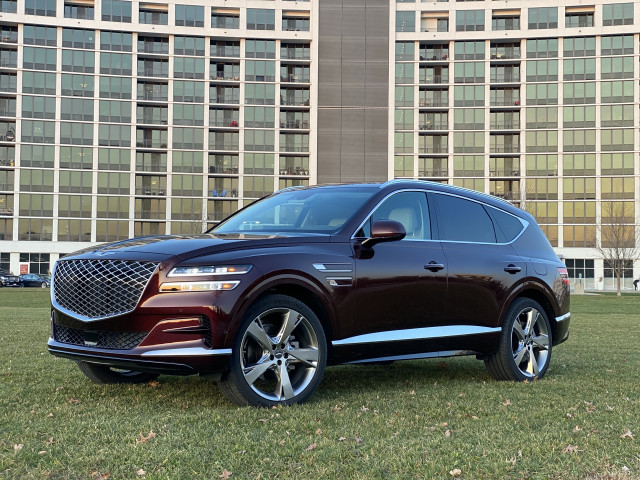
4. Genesis GV70 and GV80 — Airbag Inflator Recall
Hyundai's luxury arm, Genesis, has also been caught up in the broader Takata airbag inflator recall saga, with the Genesis GV70 and Genesis GV80 affected in certain markets. Faulty airbag inflators can rupture and send metal fragments toward occupants, posing a severe safety risk.
Australia's Automotive Recall Landscape in 2025–2026
Australia has seen a surge in automotive recalls in 2025 and heading into 2026, with the ACCC reporting that vehicle recalls continue to rise year-on-year. The most common causes include:
- Electrical system faults leading to fire risks
- Airbag inflator defects (ongoing Takata fallout)
- Software and firmware issues in modern electronically controlled vehicles
- Braking system malfunctions
- Fuel system defects
The ACCC and the Department of Infrastructure, Transport, Regional Development, Communications and the Arts have reiterated that manufacturers are legally obligated to notify consumers and provide a free remedy when a safety defect is identified.
BakuWheels Expert Opinion
As automotive experts, we at BakuWheels strongly advise all Hyundai Tucson owners — and indeed owners of any vehicle subject to an active recall — to act promptly. A recall is not just an inconvenience; it is a manufacturer acknowledging a safety defect that requires urgent correction. The HECU issue in particular is serious because it presents a fire risk even when the vehicle is not in use.
We also encourage all car owners to regularly check their vehicle's recall status using official government and manufacturer portals. In Australia, this can be done via www.productsafety.gov.au. Staying proactive about recalls is one of the most important things you can do for your safety and the safety of those around you.
If you own a Hyundai Tucson, do not wait — contact your Hyundai dealer today and get your vehicle checked and repaired at no cost.