
The 2026 Automotive Landscape: A Turning Point
The year 2026 marks a decisive turning point in the global automotive industry. With tightening emissions regulations across Europe and Asia, and a rapidly expanding EV charging infrastructure even in emerging markets, the debate between hybrid and fully electric vehicles has never been more relevant — especially for drivers navigating the streets of Baku.
As your trusted automotive expert at BakuWheels, I've analyzed the latest 2026 models, market data, and local infrastructure realities to help you make the most informed decision possible.
Understanding the Two Technologies
Hybrid Vehicles (HEV & PHEV)
Hybrid vehicles combine a traditional internal combustion engine (ICE) with one or more electric motors and a battery pack. In 2026, two main categories dominate:
- HEV (Hybrid Electric Vehicle): Self-charging hybrids that do not need to be plugged in. The battery recharges through regenerative braking and the engine itself. Examples include the 2026 Toyota Camry Hybrid and the 2026 Toyota RAV4 Hybrid.
- PHEV (Plug-in Hybrid Electric Vehicle): These can be charged externally and offer a longer all-electric range before the combustion engine kicks in. The 2026 Mitsubishi Outlander PHEV and 2026 BMW 5 Series PHEV are strong examples.
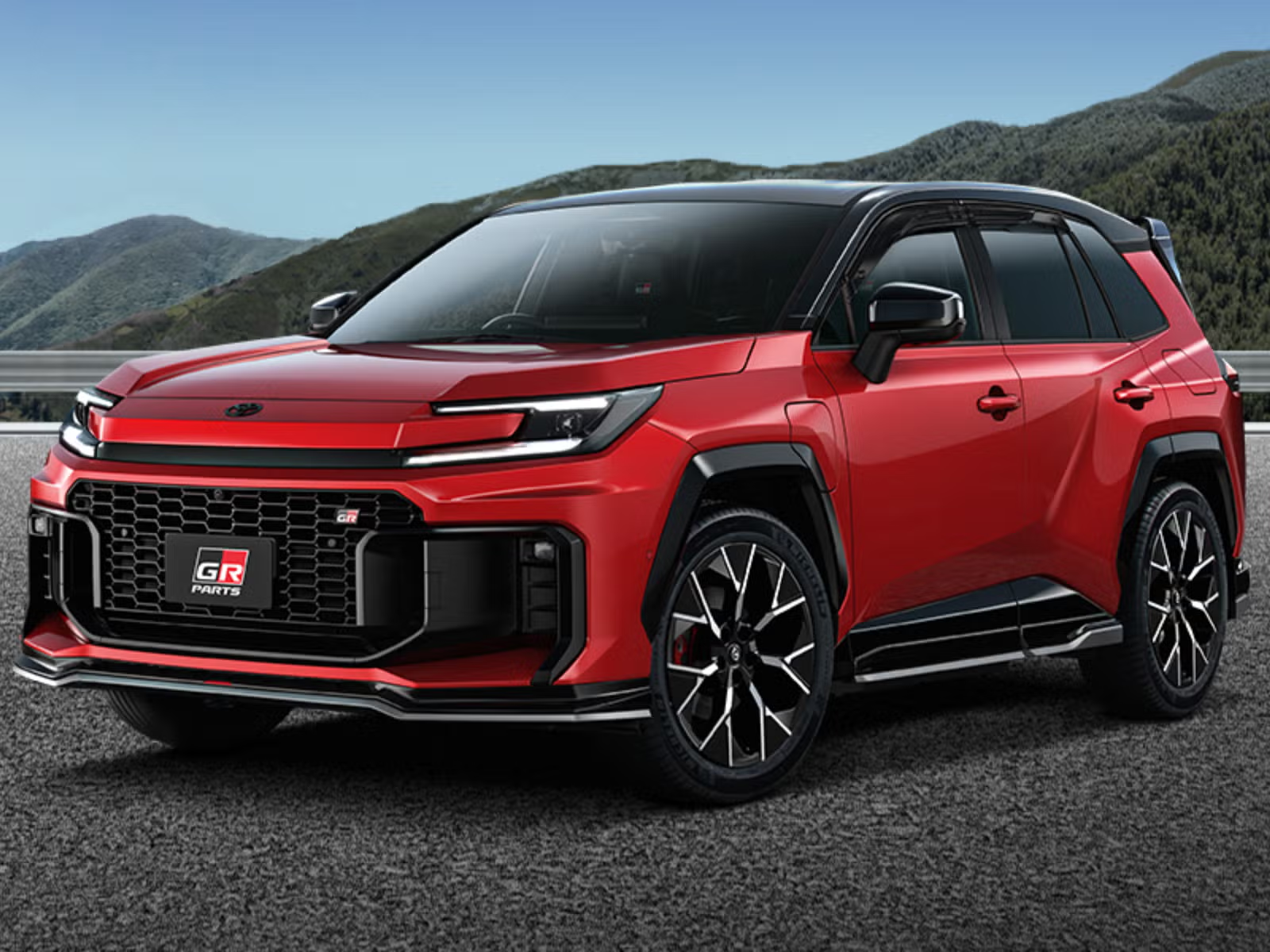
2026 Toyota RAV4 Hybrid — a top-selling self-charging hybrid globally.
Battery Electric Vehicles (BEV)
BEVs run entirely on electricity, with no combustion engine at all. They are powered solely by large battery packs charged from an external source. In 2026, flagship models include the Tesla Model 3 Long Range (updated 2026), the BYD Seal U, the Hyundai IONIQ 6, and the premium BMW iX.
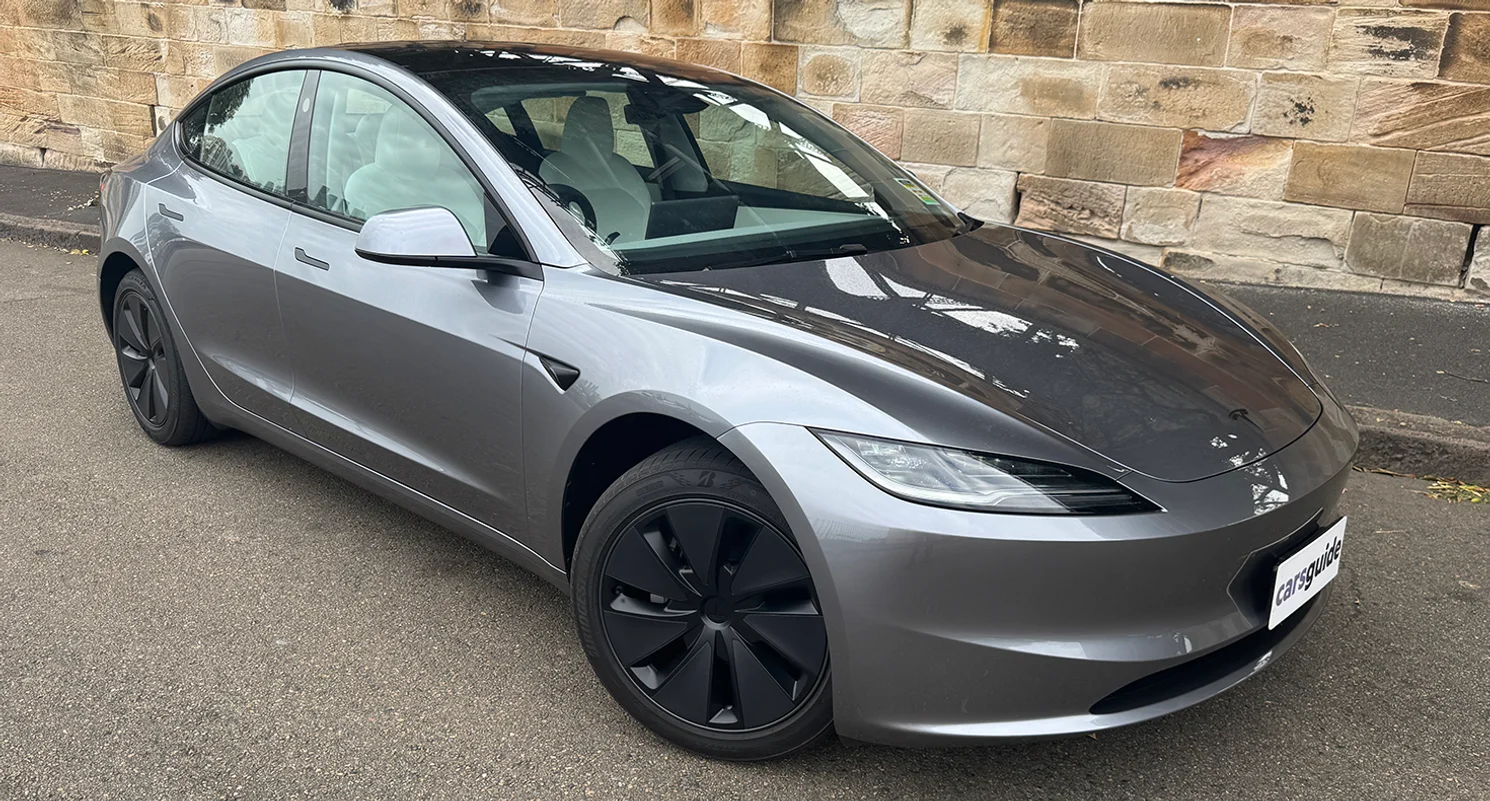
The refreshed 2026 Tesla Model 3 Long Range continues to set benchmarks in the BEV segment.
2026 Key Specs Comparison
Let's look at how leading 2026 hybrid and electric models stack up side by side:
| Model | Type | Range (km) | 0–100 km/h | Est. Price (USD) |
|---|---|---|---|---|
| 2026 Toyota RAV4 Hybrid | HEV | 900+ km (combined) | 7.4s | ~$34,000 |
| 2026 Mitsubishi Outlander PHEV | PHEV | 87 km EV + 600 km hybrid | 6.1s | ~$46,000 |
| 2026 Tesla Model 3 Long Range | BEV | 702 km (WLTP) | 4.4s | ~$47,000 |
| 2026 BYD Seal U | BEV | 520 km (WLTP) | 7.9s | ~$38,000 |
| 2026 Hyundai IONIQ 6 SE | BEV | 614 km (WLTP) | 5.1s | ~$43,000 |
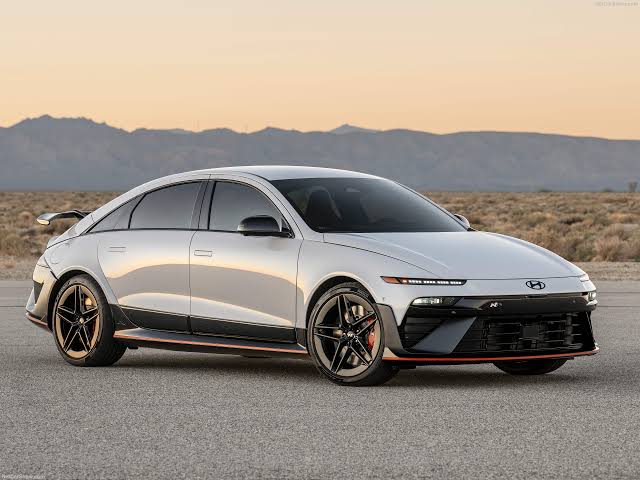
2026 Hyundai IONIQ 6 — an aerodynamic masterpiece offering over 614 km of WLTP range.
Charging Infrastructure in Azerbaijan: 2026 Update
One of the most critical real-world factors for Baku drivers is charging infrastructure. As of 2026, Azerbaijan has made considerable progress:
- Baku now hosts over 180 public EV charging points, including 45 DC fast chargers (50–150 kW) situated at major shopping centers, petrol stations, and parking structures.
- The Baku-Shamakhi highway and Baku-Ganja motorway corridors have received new fast-charging stations, easing range anxiety for inter-city travel.
- AzərGold and SOCAR Energy have jointly launched a national EV charging initiative, targeting 500 stations by 2028.
- However, home charging installation (especially in apartment blocks) remains a challenge in Baku, requiring government-level coordination.
In contrast, hybrid vehicles — particularly self-charging HEVs — require zero changes to your existing fueling habits, making them significantly more practical for many Baku residents who live in apartments without dedicated parking.
Cost of Ownership: Hybrids vs EVs in 2026
For Azerbaijani consumers, the total cost of ownership remains a paramount concern. Here's a realistic breakdown:
Fuel & Energy Costs
With petrol prices in Azerbaijan averaging around 1.30 AZN per litre (approximately $0.77) as of early 2026, and electricity costs at roughly 0.08–0.10 AZN per kWh, electric vehicles offer dramatically lower running costs. A full charge of a Tesla Model 3 Long Range (82 kWh battery) costs approximately 7–8 AZN for a 700 km range, compared to roughly 65–70 AZN worth of petrol for the same distance in a conventional car.
Maintenance
EVs have fewer moving parts — no oil changes, no timing belts, no exhaust systems. In 2026, EV maintenance costs are approximately 35–40% lower than equivalent ICE vehicles. Hybrids sit in the middle — lower than pure ICE, but more complex than full EVs due to dual drivetrain servicing requirements.
Purchase Price & Import Duties
Azerbaijan currently applies import duties on passenger vehicles, though EVs benefit from reduced or zero customs duties under recent government incentive schemes aimed at promoting green transport. This can offset a significant portion of the price premium EVs carry over comparable hybrid models.
Performance & Driving Experience
From a pure driving dynamics perspective, BEVs lead the way in 2026. Instant torque delivery, whisper-quiet cabins, and advanced software-driven features define the modern electric driving experience. The 2026 Hyundai IONIQ 6 and Tesla Model 3 remain benchmark vehicles in terms of ride quality, range efficiency, and technology integration.
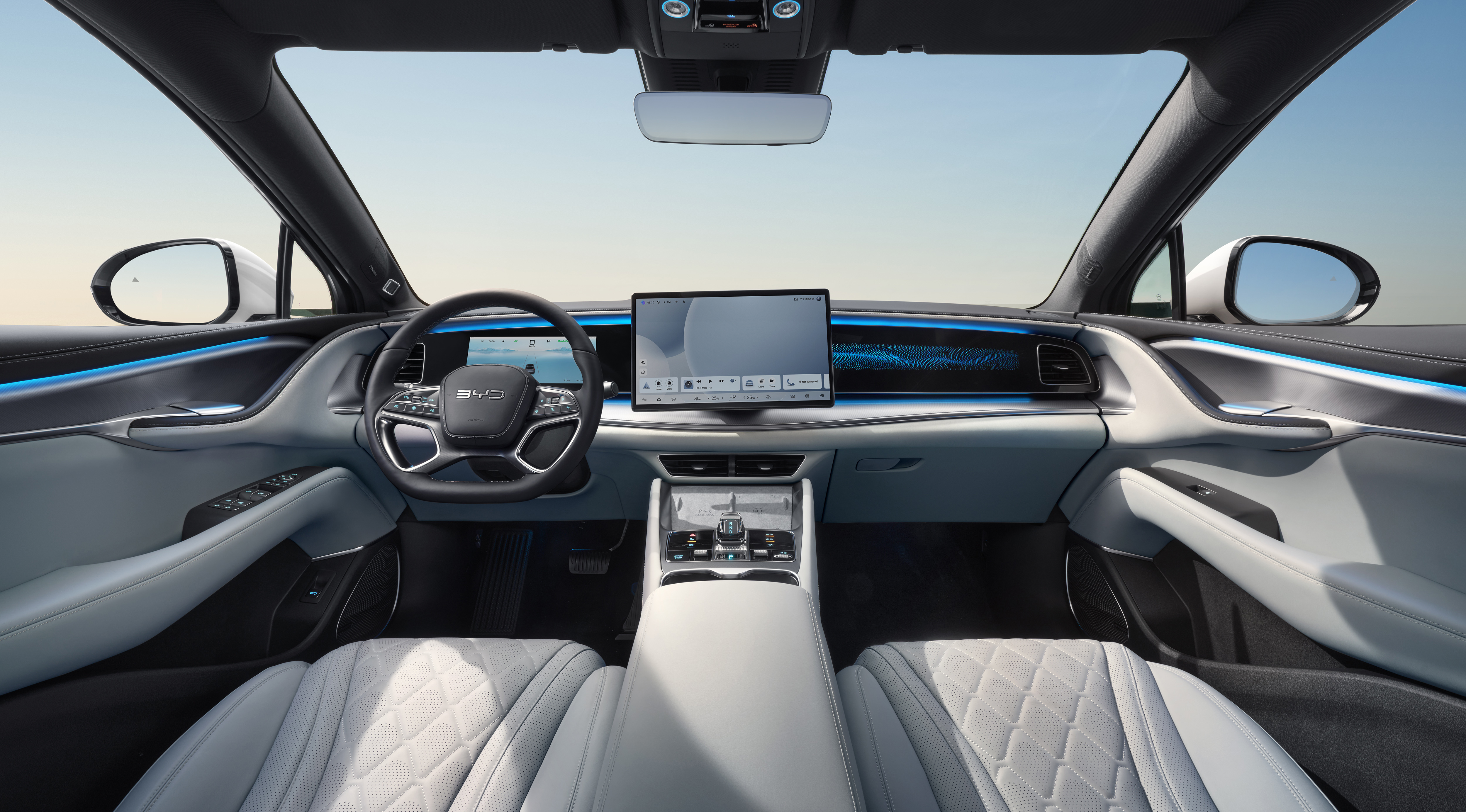
2026 BYD Seal U — offering impressive range and value at a competitive price point.
That said, hybrid vehicles like the 2026 Toyota Camry Hybrid and Mitsubishi Outlander PHEV deliver a refined, confident driving experience with the freedom of not worrying about charging infrastructure. The Outlander PHEV in particular remains exceptionally popular in Baku due to its AWD capability, spacious interior, and dual-fuel flexibility.
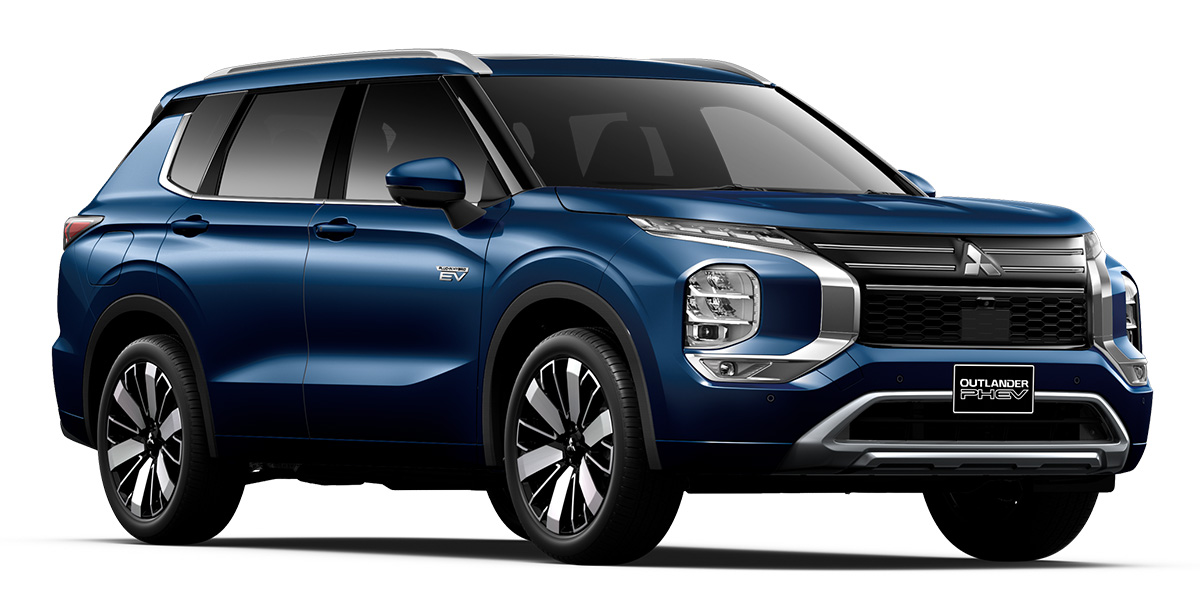
2026 Mitsubishi Outlander PHEV — a favourite among Baku families for its versatility and all-terrain capability.
Environmental Impact
Fully electric vehicles produce zero direct tailpipe emissions, making them the greener choice for urban environments like Baku. However, the true environmental footprint depends on how the electricity is generated. Azerbaijan's power grid still relies significantly on natural gas, meaning the indirect carbon footprint of EVs in the country is not zero — though it remains lower than petrol vehicles overall.
Hybrid vehicles, while not emission-free, produce considerably fewer emissions than conventional ICE cars and serve as an important transitional technology as Azerbaijan's grid becomes cleaner over time.
Verdict: What Should Baku Drivers Choose in 2026?
There is no one-size-fits-all answer, but here's BakuWheels' expert guidance based on driver profiles:
- City commuters & apartment dwellers: A self-charging HEV like the 2026 Toyota RAV4 Hybrid or 2026 Toyota Camry Hybrid remains the most practical and cost-effective choice. No charging infrastructure dependency, lower maintenance, and excellent fuel economy.
- Tech-savvy drivers with home/private charging: The 2026 Tesla Model 3 Long Range or 2026 Hyundai IONIQ 6 offers an unmatched driving experience, dramatically lower running costs, and the most advanced in-car technology available today.
- Families needing versatility: The 2026 Mitsubishi Outlander PHEV strikes the best balance — electric-first driving with the combustion engine as a safety net, combined with SUV practicality.
- Budget-conscious buyers: The 2026 BYD Seal U now represents exceptional value in the BEV segment, offering strong range and features at a more accessible price.
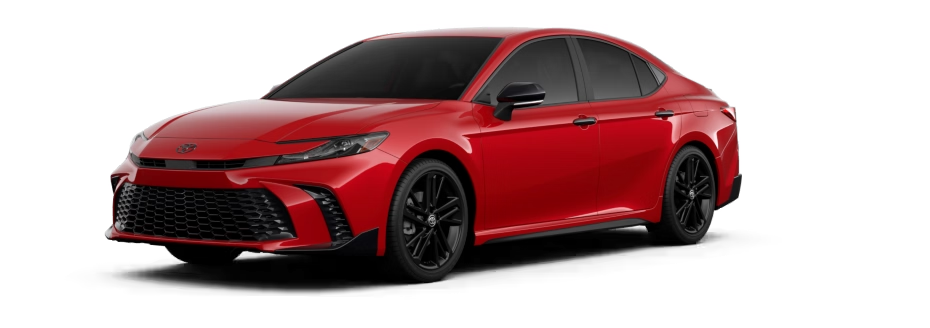
2026 Toyota Camry Hybrid — the definitive self-charging hybrid for urban Baku commuters.
Final Thoughts from BakuWheels
The 2026 automotive market is more exciting and competitive than ever. Both hybrid and electric technologies have matured significantly, and both have a legitimate place in Azerbaijan's automotive ecosystem. The right choice ultimately depends on your lifestyle, driving patterns, budget, and access to charging infrastructure.
What is clear is this: the era of purely conventional petrol vehicles is fading, and the transition to electrified mobility in Azerbaijan is well underway. Whether you choose hybrid or electric in 2026, you are making a forward-thinking decision that benefits your wallet, your driving pleasure, and the environment.
Stay tuned to BakuWheels for the latest automotive news, expert reviews, and in-depth comparisons tailored specifically for Azerbaijani drivers.