
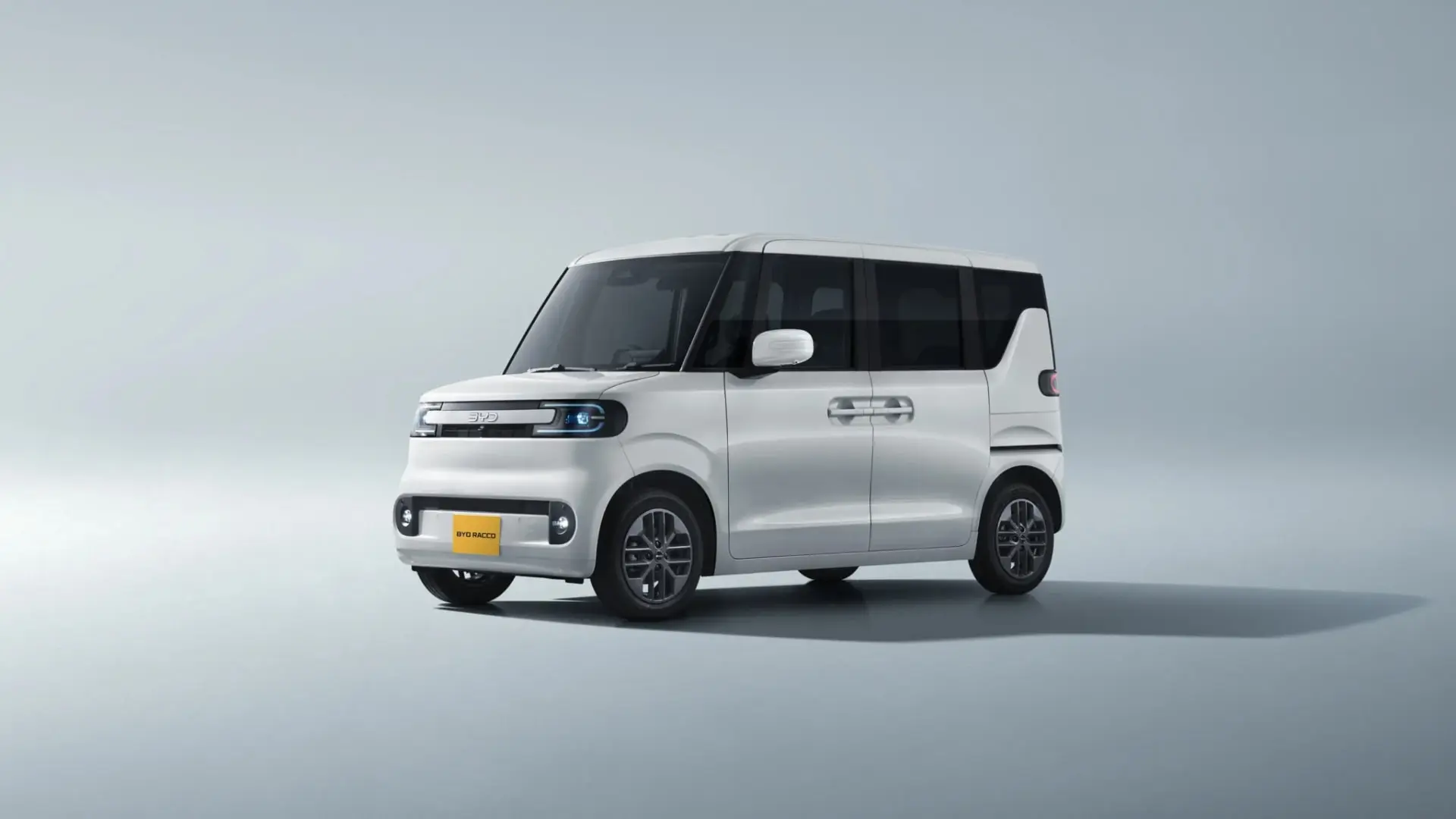
BYD Racco: China's Affordable EV Giant Targets Japan's Heartland
In an automotive landscape where electric vehicles are often synonymous with premium price tags, BYD has once again disrupted the status quo. The BYD Racco — a compact, city-focused electric minicar — has arrived with a starting price of just $13,000 USD, and it is sending shockwaves through Japan's traditionally conservative automotive market in 2026.
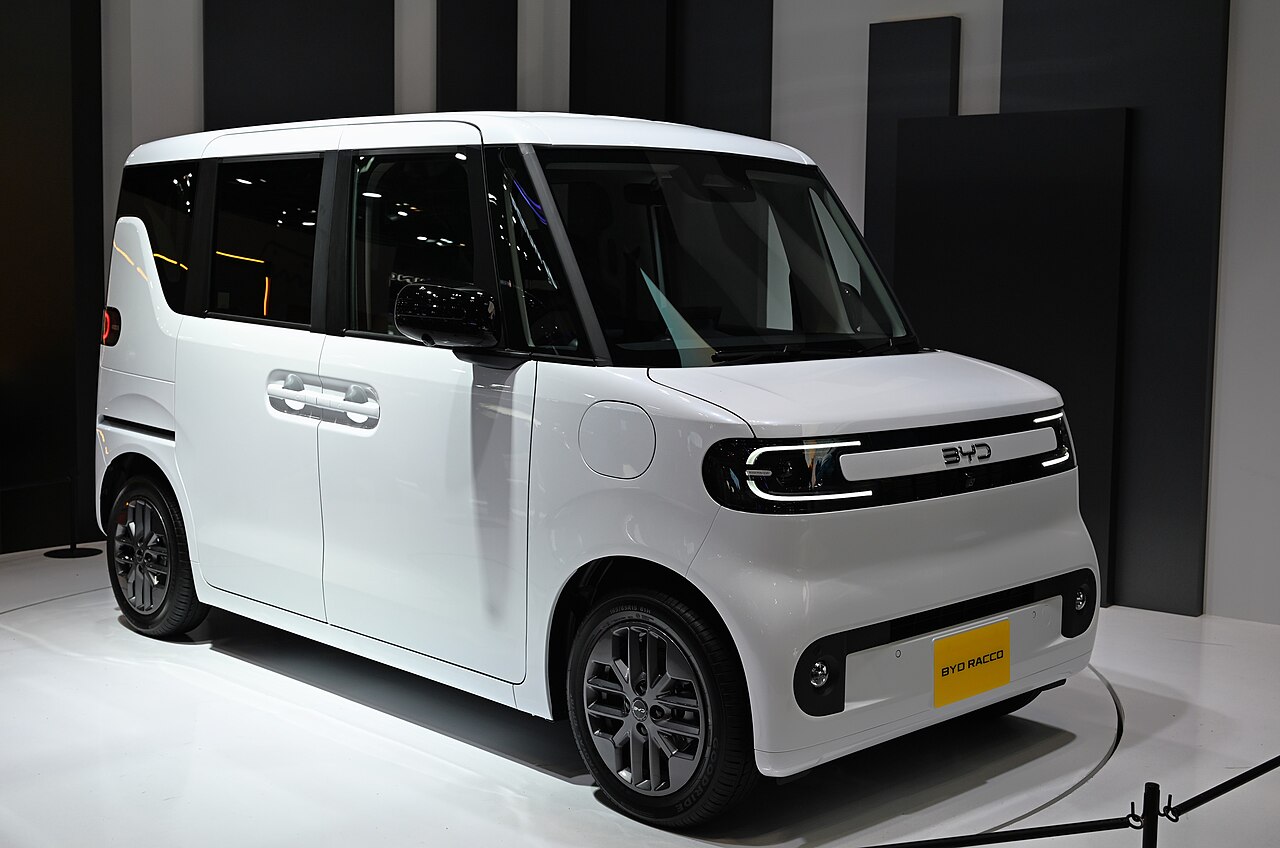
As your dedicated automotive correspondent at BakuWheels, I've been closely monitoring BYD's ambitious expansion into markets long dominated by Japanese brands — and the Racco represents perhaps the boldest move yet.
What Is the BYD Racco?
The BYD Racco is a subcompact electric vehicle designed specifically for urban commuting and short-range travel. Sitting below the popular BYD Seagull in BYD's lineup, the Racco targets the same demographic as Japan's iconic kei cars — practical, fuel-efficient (now electrically efficient), and extremely affordable daily drivers.
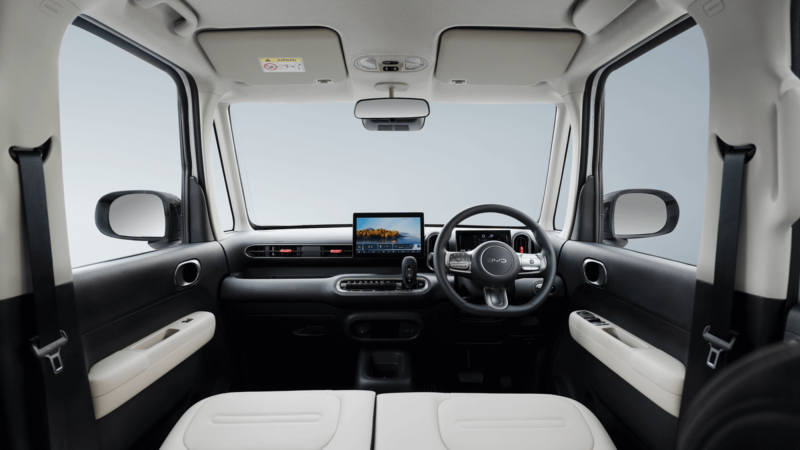
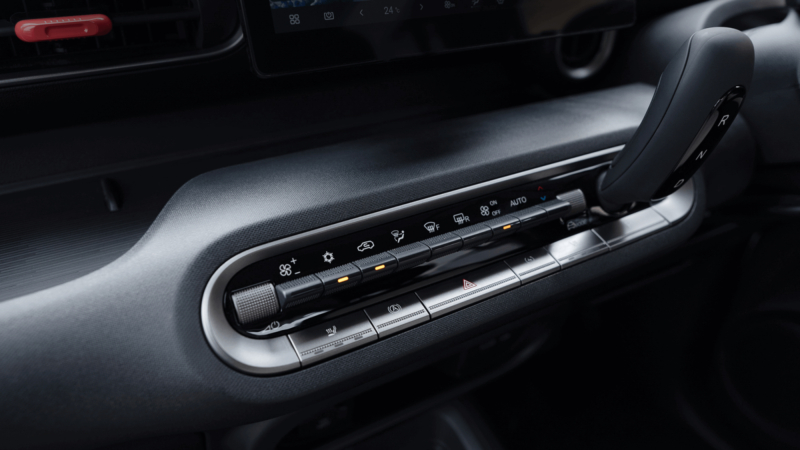
With a compact footprint and a distinctly modern design language, the Racco offers a surprisingly spacious interior for its size, featuring a minimalist dashboard, a central touchscreen infotainment system, and driver-assistance features that were once reserved for vehicles costing two or three times as much.
Performance and Range
The BYD Racco is powered by a single electric motor producing approximately 68 horsepower, paired with a lithium iron phosphate (LFP) battery pack — a hallmark of BYD's battery expertise through its Blade Battery technology. The CLTC-rated range sits at approximately 305 kilometers (190 miles) on a full charge, which is more than adequate for the urban commuting segment it targets.
Top speed is electronically limited to around 130 km/h, and the 0-100 km/h sprint, while not a performance benchmark, is respectable for a city car at approximately 10.8 seconds. The Racco supports AC charging as standard, with DC fast-charging capability available on higher trim levels, allowing a 30-to-80 percent charge in under 30 minutes.
Taking Aim at Japan's Most Beloved Segment
Japan's kei car segment has historically been one of the most fiercely defended automotive territories in the world. Brands like Honda, Suzuki, Daihatsu, and Mitsubishi have spent decades perfecting the art of the compact, affordable urban vehicle. Yet BYD's Racco challenges them on their home turf — not just on price, but on technology and perceived value.
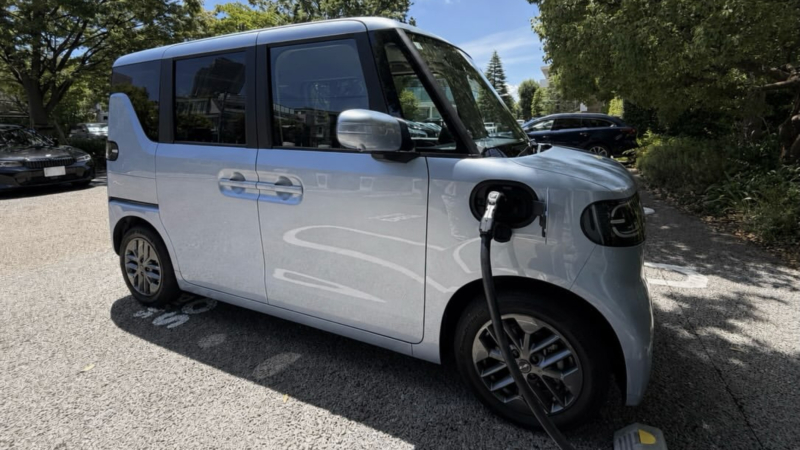
At $13,000, the Racco undercuts many Japanese compact EVs and even some conventional kei car models that, when equipped with modern safety and tech features, can creep into the $15,000–$18,000 range. The Racco comes standard with features such as:
- 10.1-inch touchscreen with wireless Apple CarPlay and Android Auto
- Automatic emergency braking (AEB)
- Lane departure warning
- 360-degree camera system (on higher trims)
- Keyless entry and push-button start
This feature-rich package at such a price point is simply unprecedented in this segment, and it's precisely why dealerships in Japan, Southeast Asia, and beyond are reporting strong early order volumes for the Racco.
Design: Small Car, Bold Statement
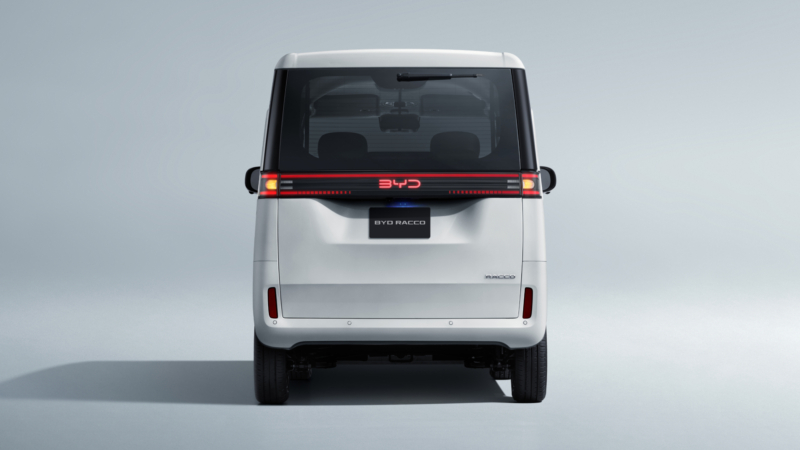
BYD has made no secret of its investment in design talent, having famously hired former Audi and Alfa Romeo designer Wolfgang Egger to lead design philosophy. The Racco reflects this investment with clean, contemporary lines, a bold front fascia featuring BYD's signature LED light bar, and a rounded, friendly silhouette that is immediately recognizable on city streets.
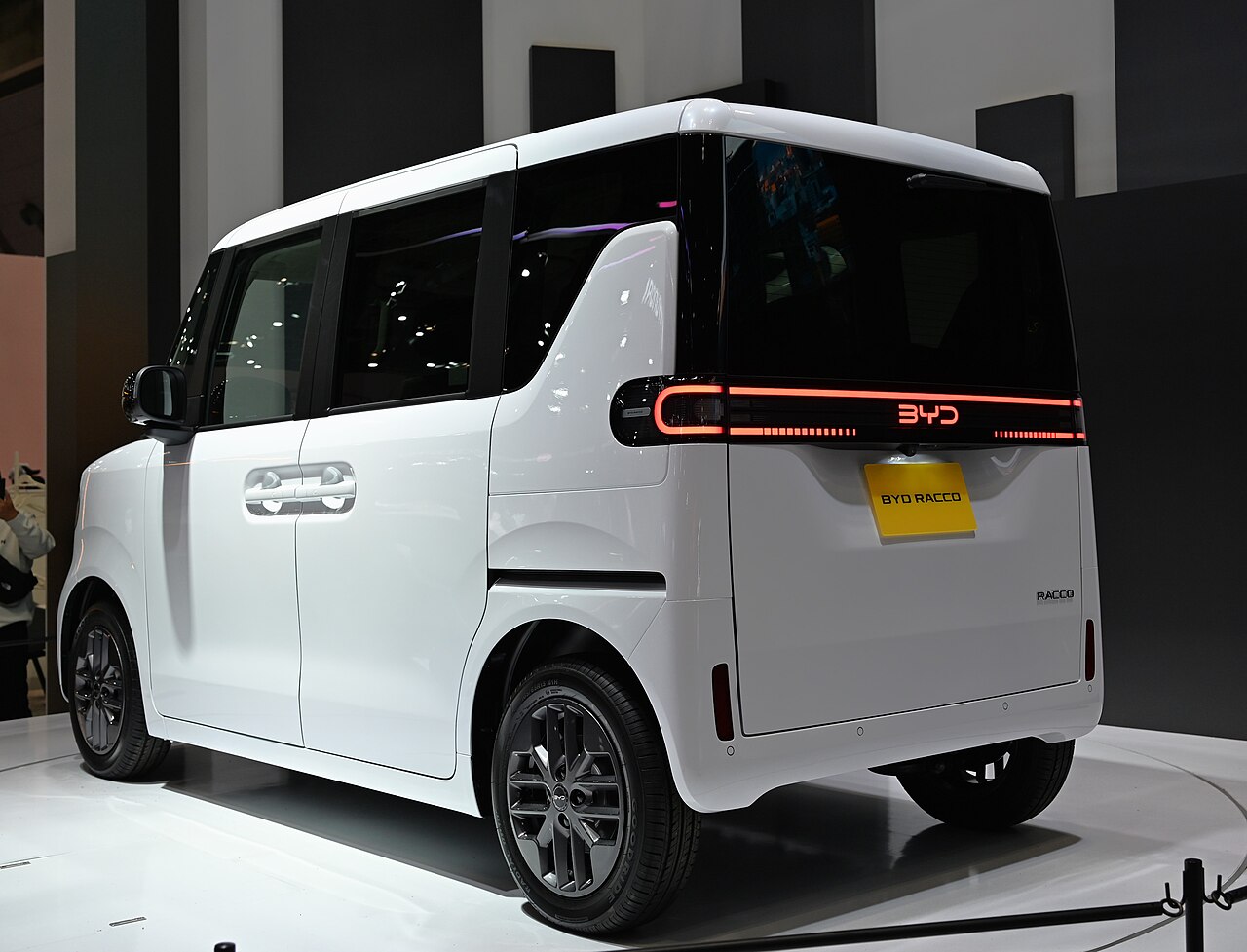
Available in a palette of vibrant colors — including Pearl White, Coral Orange, Sky Blue, and Midnight Black — the Racco is clearly designed to appeal to younger, urban buyers who want personality in their daily driver without breaking the bank.
The Japanese Market Challenge
Japan has historically been one of the most difficult markets for foreign automakers to penetrate. Consumer loyalty to domestic brands runs deep, and regulatory nuances around vehicle dimensions for the kei car tax advantage category mean that the Racco, while small, technically falls outside the strict kei car classification. This means buyers will not receive the same tax incentives available to registered kei vehicles.
However, with Japanese government EV subsidies still available for qualifying battery electric vehicles, the net purchase price for Japanese consumers can be brought down even further, potentially putting the Racco within reach of a very large segment of the population.
BYD Japan has already confirmed an aggressive dealer network expansion for 2026, targeting metropolitan areas including Tokyo, Osaka, and Nagoya, as well as secondary cities where affordable urban mobility is in high demand.
BYD's Bigger Picture
The Racco is not just a car — it is a statement. BYD is the world's largest EV manufacturer by sales volume as of 2025-2026, and its ability to produce feature-rich electric vehicles at scale and at low cost is a capability no other automaker has yet matched. The Racco sits at the bottom of an expanding BYD lineup that now includes everything from the budget Seagull and Racco at the entry level to the premium Han, Tang, and the ultra-luxury Yangwang brand at the top.
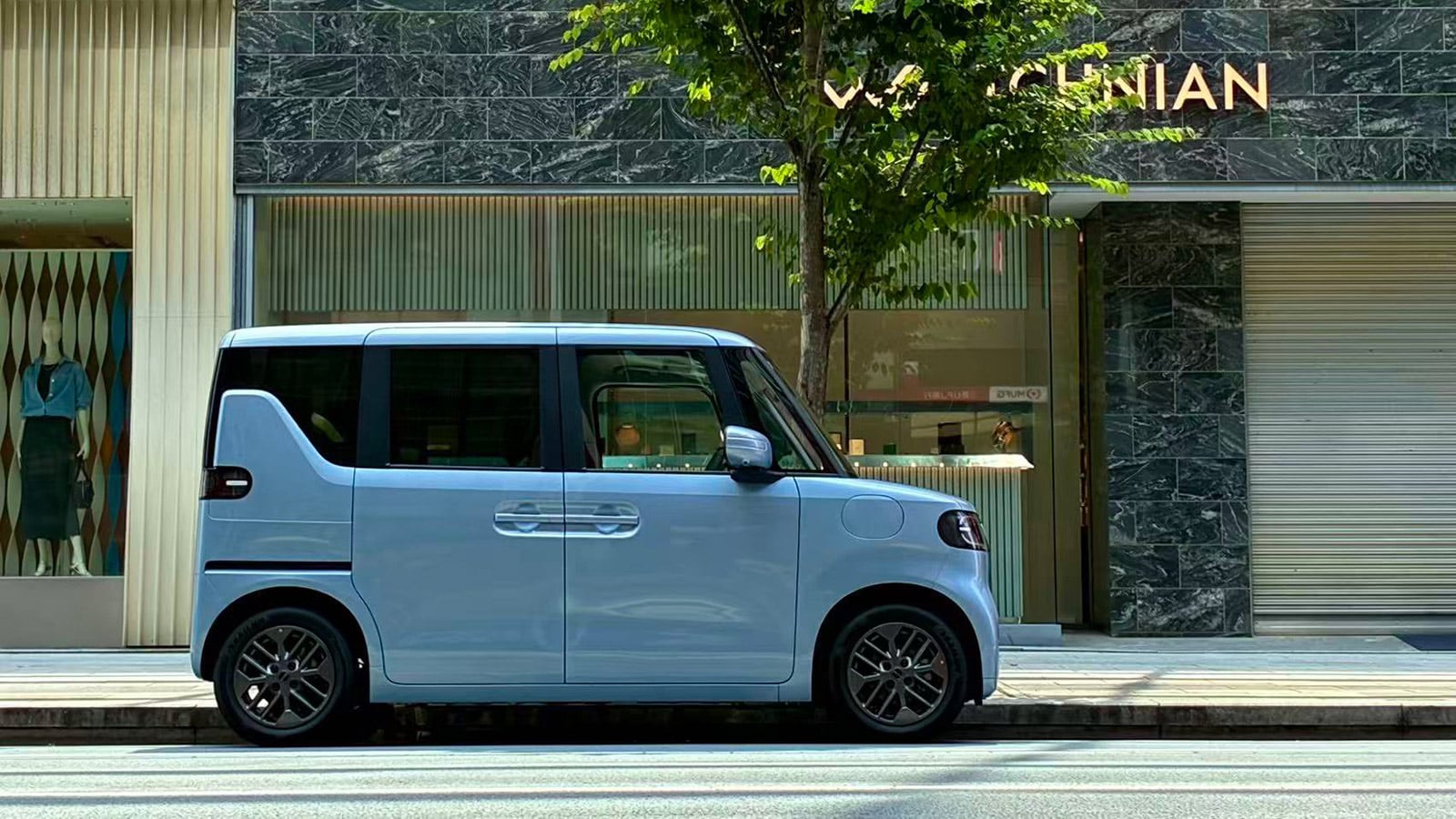
For consumers in Japan and across Asia, the Racco represents a genuine inflection point: a moment where the combination of affordability, technology, and zero-emissions driving becomes impossible to ignore. For Japanese automakers, it serves as yet another urgent reminder that the EV transition is not a distant future event — it is happening right now, and BYD is at the front of the charge.
BakuWheels Verdict
The BYD Racco is exactly the kind of product disruption that reshapes entire market segments. At $13,000 with a competitive range, solid technology, and appealing design, it does not merely compete with Japan's best compact cars — it forces them to evolve. Whether Japanese consumers ultimately embrace a Chinese-made EV over their beloved domestic brands remains to be seen, but one thing is clear: BYD is no longer knocking on the door. It has walked through it.
Stay tuned to BakuWheels for the latest news, reviews, and analysis from the world of electric and conventional automotive.