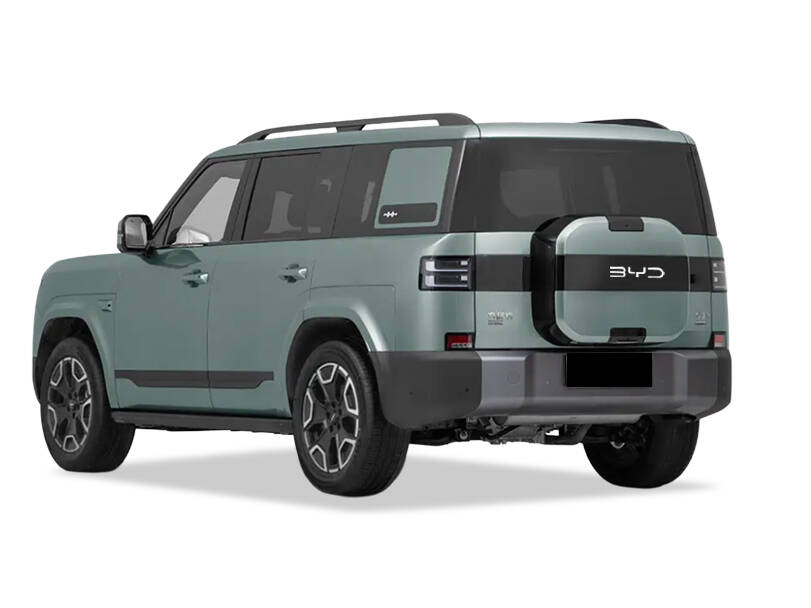
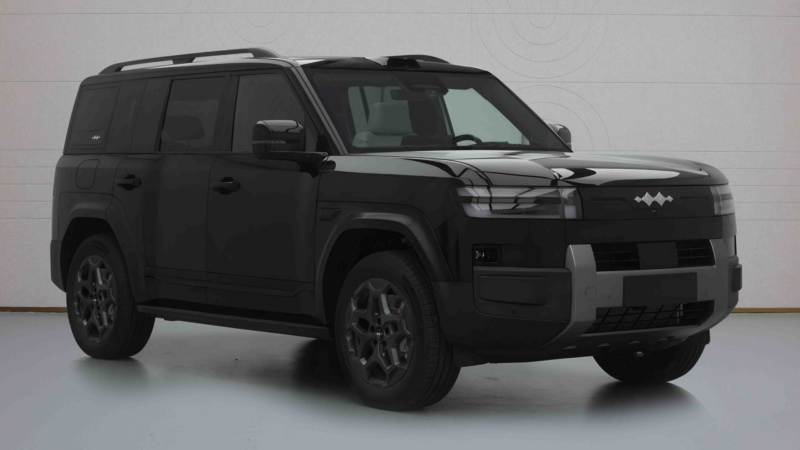
BYD Ti7 PHEV: A New Standard in Plug-In Hybrid Crossovers
Chinese automotive giant BYD has officially unveiled the Ti7, its latest plug-in hybrid electric crossover, and the numbers are nothing short of extraordinary. The Ti7 comes equipped with a massive 50 kWh battery pack, delivering a segment-leading 230 km of pure electric range under the CLTC testing cycle. As BakuWheels, we believe this is a bold statement from BYD that redefines what a PHEV crossover can offer in 2026.
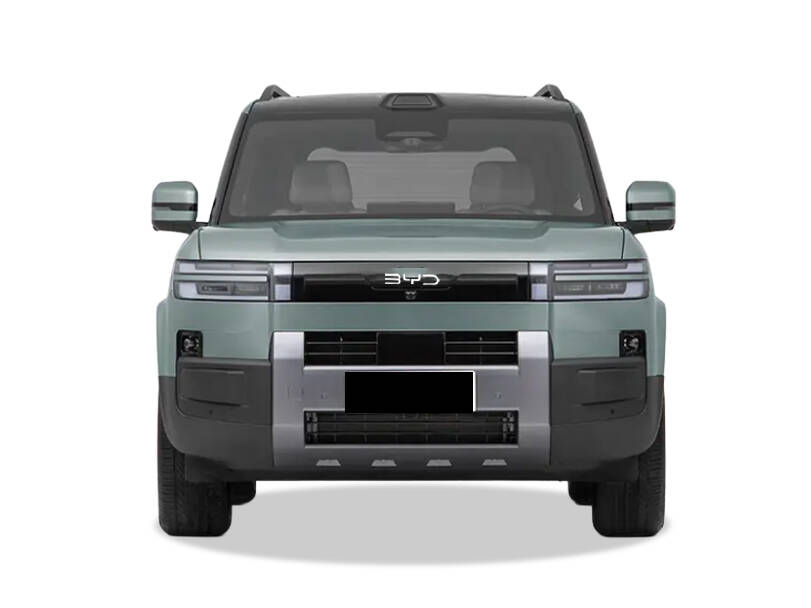
Design and Platform
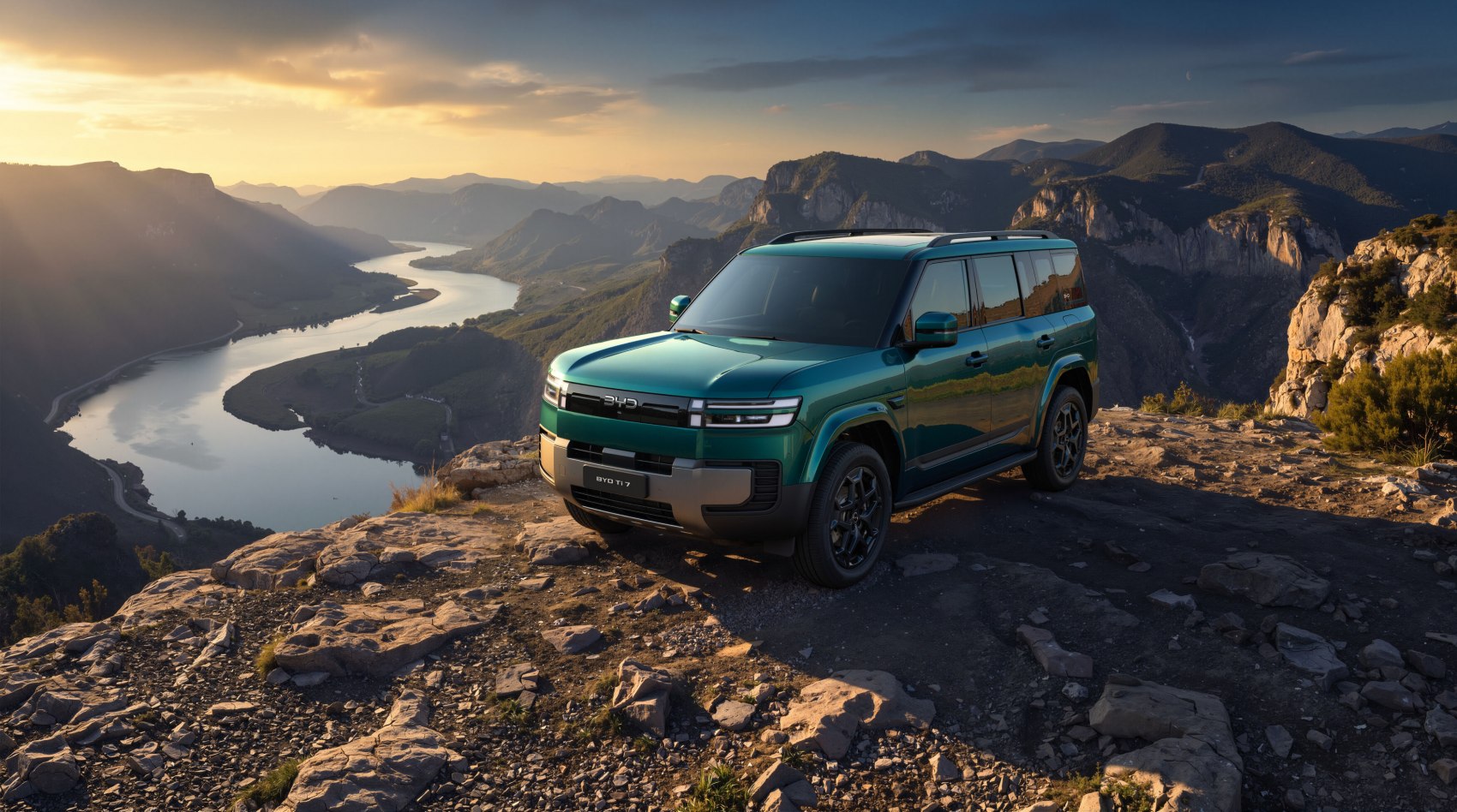
The BYD Ti7 is built on BYD's advanced e-Platform 3.0 Evo, which underpins several of the brand's flagship models. The crossover features a sleek, aerodynamically optimized body with sharp LED lighting signatures, a flowing roofline, and a commanding road presence. The Ti7 sits in the mid-size crossover segment, competing directly with models from Li Auto, AITO, and other PHEV-focused rivals in the Chinese market.
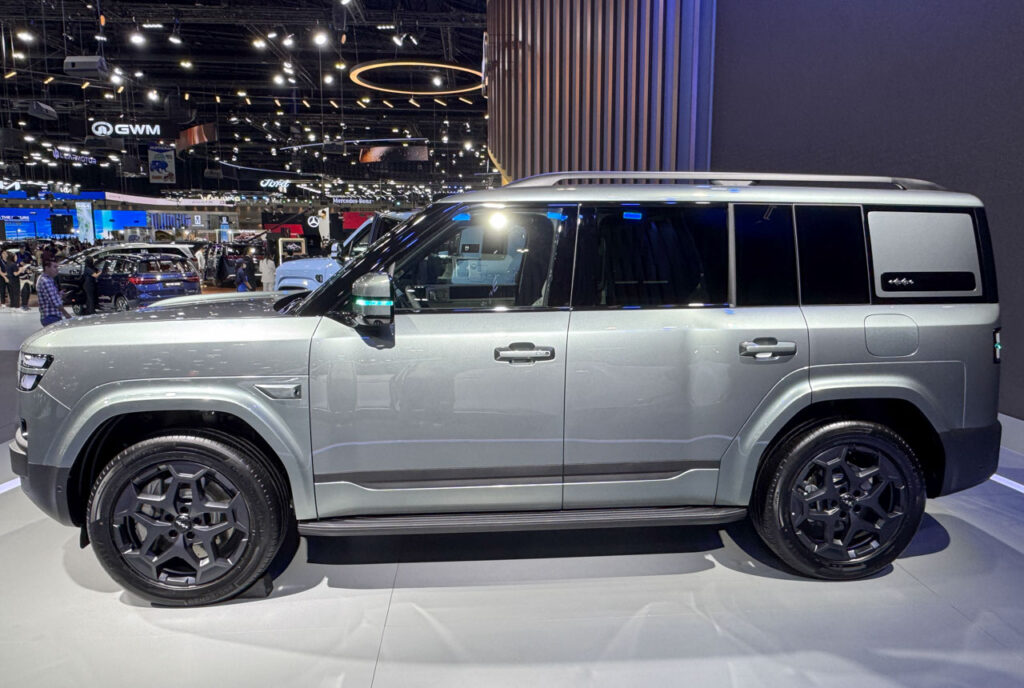
Powertrain: The 50 kWh Battery Pack is the Star
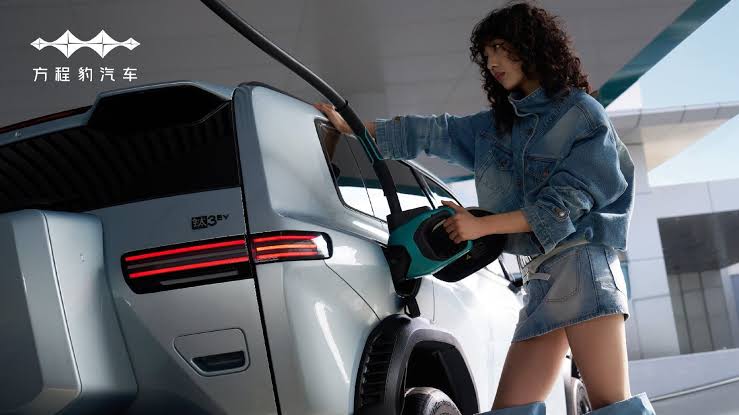
At the heart of the Ti7's appeal is its 50 kWh lithium iron phosphate (LFP) battery, which is remarkably large for a plug-in hybrid vehicle. This allows the Ti7 to cover 230 km on electricity alone (CLTC), meaning many drivers in urban environments like Baku could go weeks without needing to visit a fuel station.
The PHEV system pairs the large battery with a turbocharged petrol engine, creating a combined system output that provides strong acceleration and long total range when both the engine and battery are factored in. The system is designed to operate seamlessly in pure EV mode for daily commuting while the combustion engine handles long highway journeys.
Interior and Technology
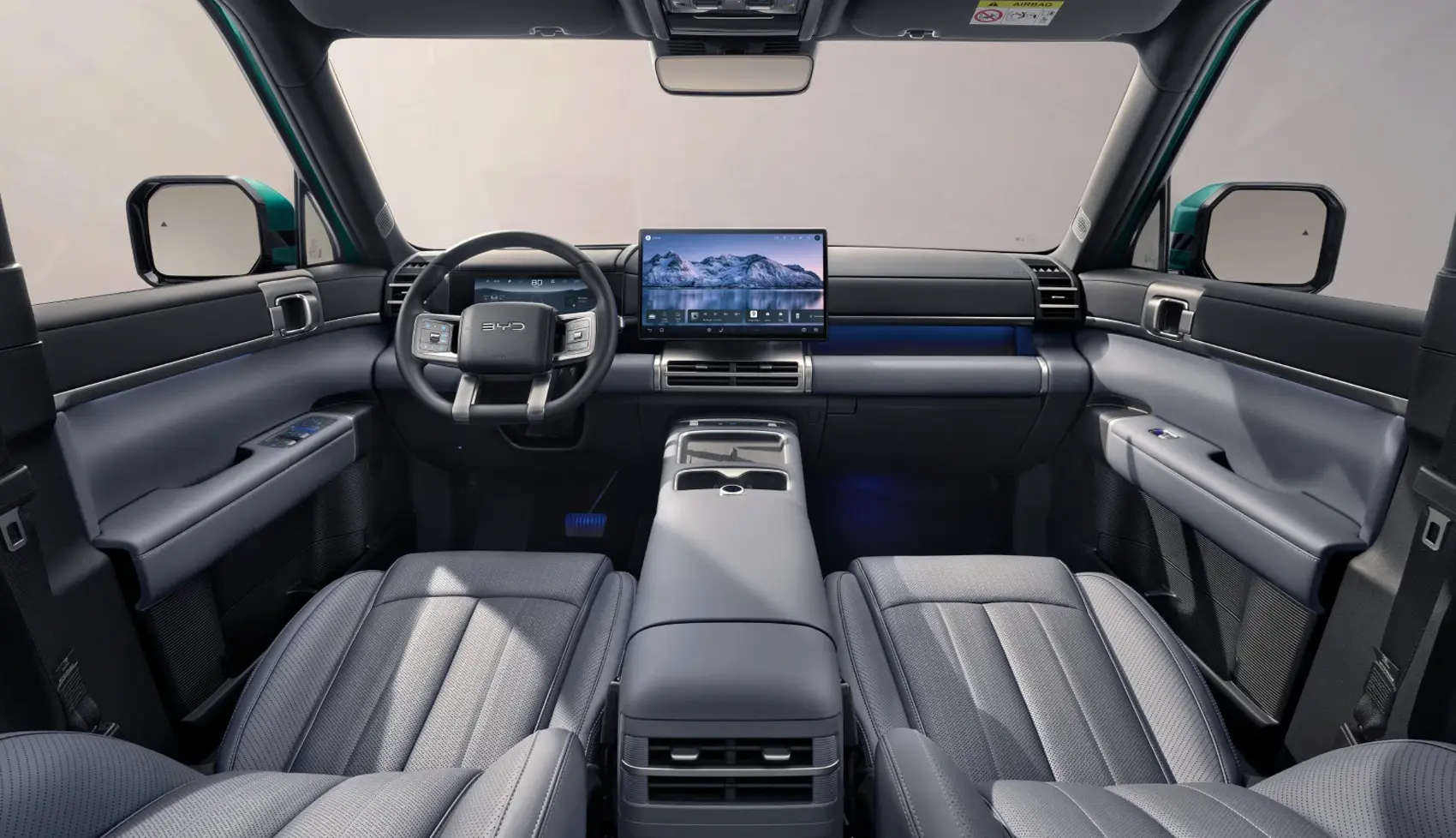
Inside the Ti7, passengers are greeted with a premium cabin featuring BYD's latest DiLink intelligent cockpit system, a large rotating center touchscreen, and a fully digital instrument cluster. The interior emphasizes comfort and connectivity, with multiple USB-C charging ports, a panoramic sunroof, and advanced driver assistance systems (ADAS) as standard on higher trim levels.
Why This Matters for Consumers
For consumers considering a plug-in hybrid in 2026, the BYD Ti7 makes a compelling case. A 50 kWh usable battery in a PHEV is virtually unheard of in this segment — most competitors offer between 15 kWh and 30 kWh. This means the Ti7 effectively bridges the gap between a pure EV and a traditional PHEV, offering the flexibility of a petrol engine without the range anxiety of a smaller battery.
From a BakuWheels perspective, if BYD were to bring the Ti7 to markets like Azerbaijan, it would be one of the most capable and practical PHEVs available, especially given Baku's expanding EV infrastructure and the growing demand for electrified vehicles among Azerbaijani consumers.
Pricing and Availability
The BYD Ti7 is expected to be priced competitively within the Chinese market, targeting the premium mid-size crossover segment. While official pricing for international markets has not been announced, BYD's aggressive pricing strategy suggests the Ti7 will offer excellent value for money compared to European and Japanese PHEV rivals.
Sales in China are expected to begin in the second half of 2026, with international market expansion anticipated to follow based on demand and regulatory approvals.
BakuWheels Verdict
The BYD Ti7 PHEV is a game-changer. With its 50 kWh battery, 230 km EV range, and advanced technology package, it stands as one of the most impressive plug-in hybrid crossovers to emerge in 2026. BYD continues to push the boundaries of what's possible in the electrified vehicle space, and the Ti7 is proof that Chinese automakers are not just competing — they are leading. We at BakuWheels will be closely following this model's global rollout and will bring you the latest updates as they become available.