
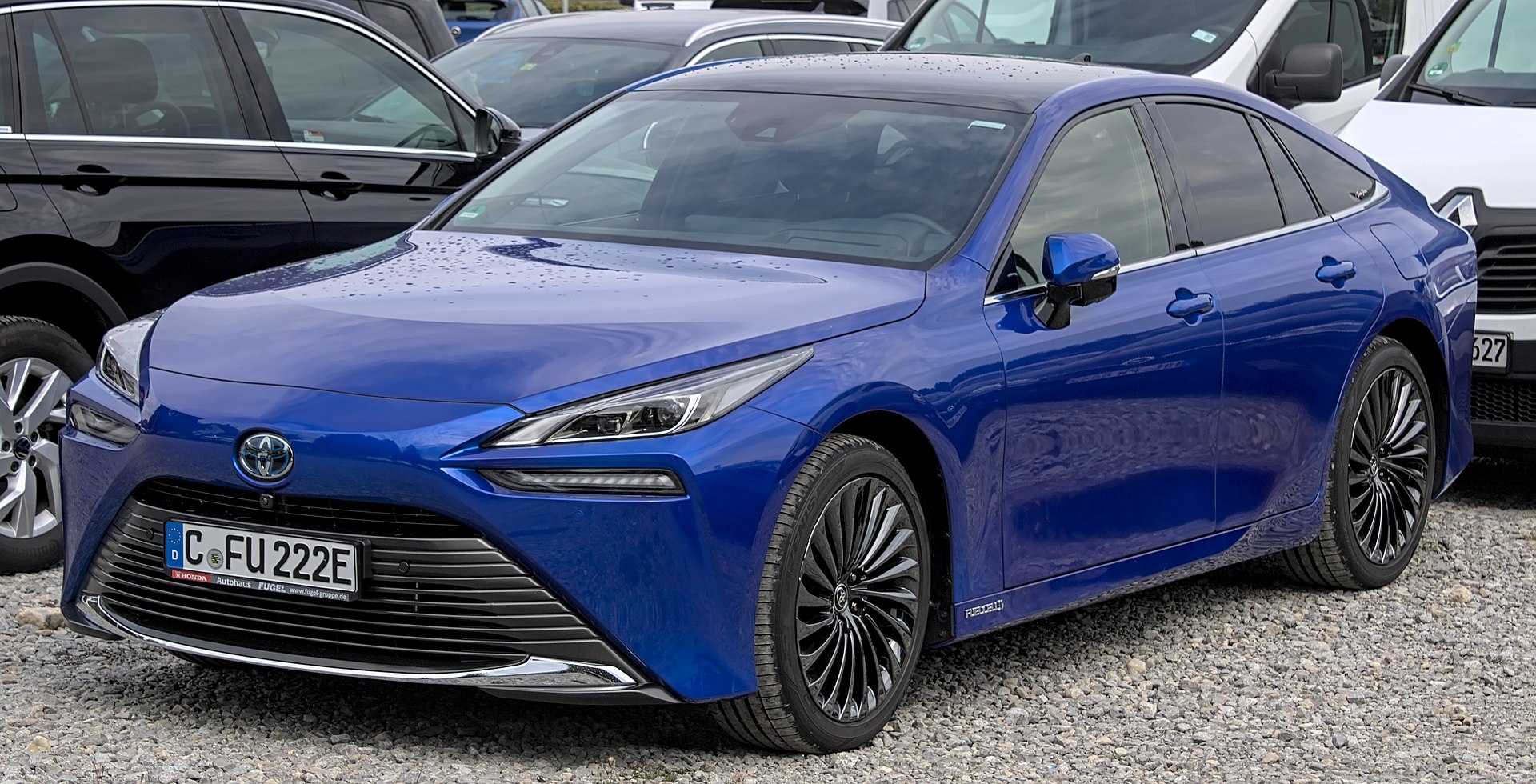
The Green Race: BEVs vs. HFCVs
In 2026, the global automotive industry stands at a crossroads. Governments worldwide are tightening emission regulations, consumers are demanding cleaner transportation, and automakers are betting billions on two competing technologies: Battery Electric Vehicles (BEVs) and Hydrogen Fuel Cell Vehicles (HFCVs). Both promise a greener future, but which one actually delivers on that promise? At BakuWheels, we've done the research so you don't have to.
The Case for Battery Electric Vehicles
Battery electric vehicles have dominated the clean energy conversation for the past decade. With brands like Tesla, BMW, and Hyundai pushing the boundaries of range and performance, BEVs have become the mainstream face of green transportation. On the surface, they appear to be an excellent solution — zero tailpipe emissions, lower running costs, and rapidly expanding charging infrastructure.
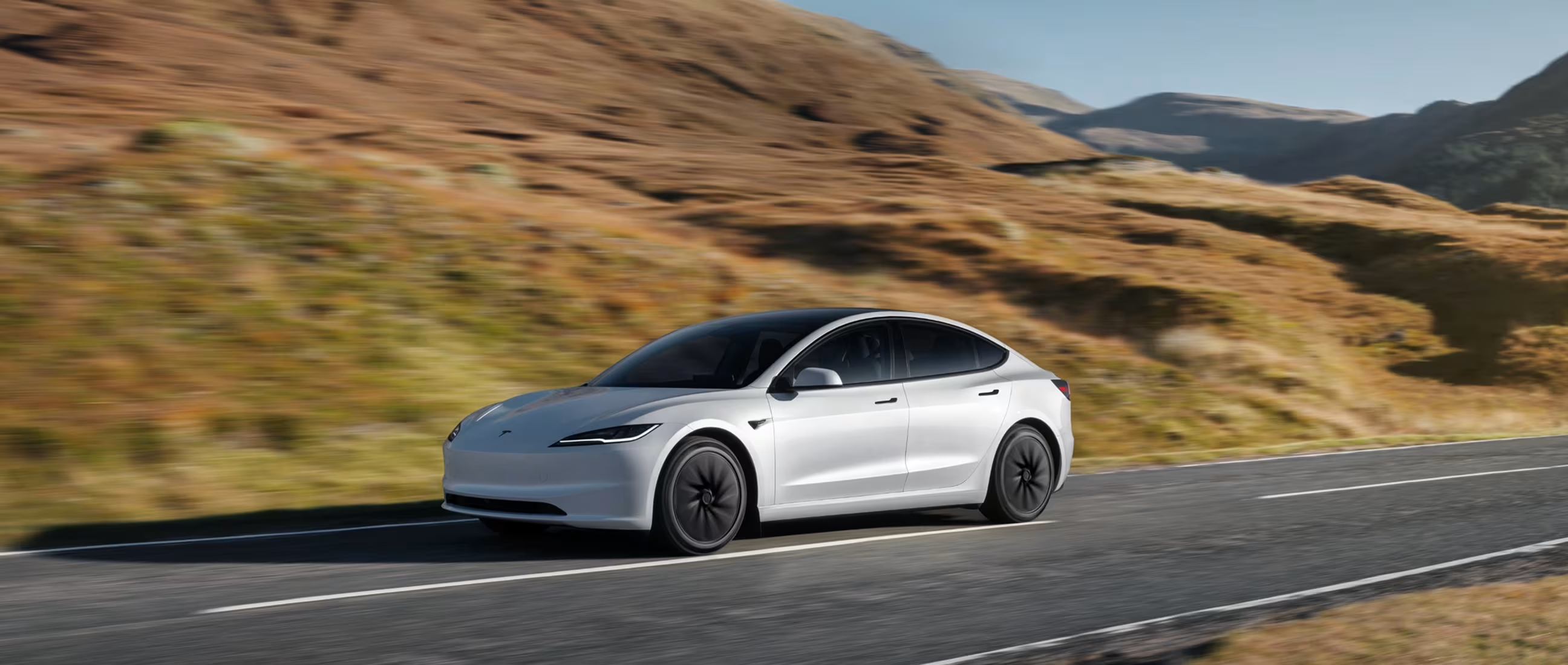
The Tesla Model 3 remains one of the best-selling battery electric vehicles in the world in 2026.
However, the environmental story of BEVs does not begin and end at the tailpipe. To truly evaluate their green credentials, we must examine the entire lifecycle — from raw material extraction to end-of-life battery disposal.
The Hidden Environmental Cost of Batteries
The heart of every BEV is its lithium-ion battery pack. Manufacturing these batteries requires vast quantities of critical minerals, including lithium, cobalt, nickel, and manganese. The mining of these minerals is an environmentally destructive process. Lithium mining, primarily conducted in South America's Lithium Triangle — spanning Argentina, Bolivia, and Chile — consumes enormous amounts of freshwater in some of the world's driest regions, devastating local ecosystems and communities.
Cobalt mining, largely concentrated in the Democratic Republic of the Congo (DRC), has been linked to severe environmental degradation, including deforestation, soil erosion, and contamination of local water supplies. The carbon footprint of extracting, refining, and transporting these raw materials is substantial, meaning that a BEV begins its life with a significant environmental debt before it even turns a wheel.

Lithium mining operations cause significant environmental damage, including water depletion and soil contamination.
Battery Degradation: A Growing Problem
One of the most pressing — yet often underreported — environmental concerns with BEVs is battery degradation. Over time, lithium-ion batteries lose their capacity to hold a charge. Studies published in 2025 confirm that most EV batteries degrade at a rate of approximately 1.8% to 2.3% per year under average usage conditions. This means that after eight to ten years, many EV batteries are operating at significantly reduced capacity, leading owners to seek replacements.
Replacing a battery pack is not just costly — it generates significant electronic waste. Recycling lithium-ion batteries is technically complex and energy-intensive. While recycling technology is improving, the industry is far from achieving a closed-loop system where all battery materials are fully recovered and reused. Millions of degraded battery packs are projected to require disposal over the next two decades, posing a serious environmental hazard if not managed responsibly.
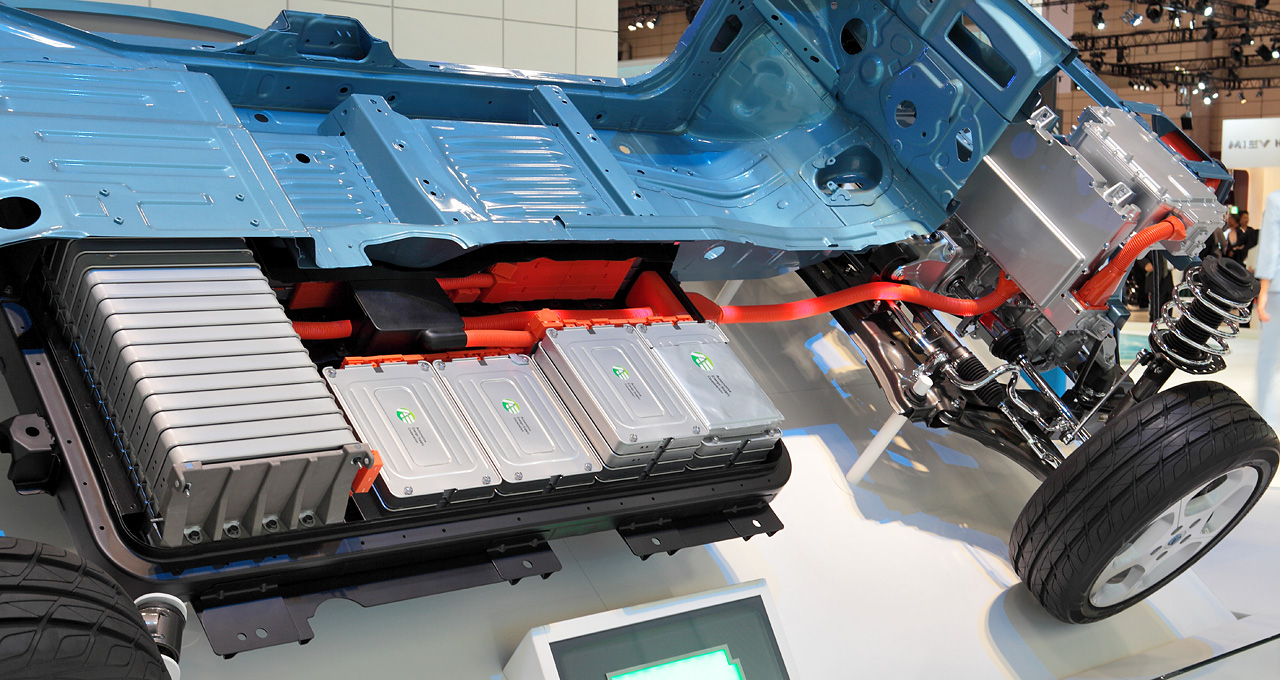
Battery degradation and disposal represent one of the most significant environmental challenges facing the electric vehicle industry.
The Critical Mineral Supply Crisis
Perhaps even more alarming is the finite nature of the minerals required for BEV batteries. According to geological surveys and resource assessments published in 2025, at current and projected extraction rates, known economically viable reserves of cobalt could be depleted within 30 to 40 years, while certain grades of lithium face similar pressures as global EV adoption accelerates. Nickel supplies are also under increasing strain.
As demand for these minerals skyrockets with growing EV adoption, prices will inevitably rise, supply chains will become increasingly geopolitically vulnerable, and the environmental toll of extracting ever-harder-to-reach deposits will intensify. The world simply cannot mine its way to a sustainable electric future at the current pace of BEV adoption without facing serious material shortfalls within a few decades.
Enter the Hydrogen Fuel Cell Vehicle
Hydrogen fuel cell vehicles operate on an entirely different principle. Rather than storing energy in a chemical battery, HFCVs generate electricity onboard by combining hydrogen and oxygen in a fuel cell, with the only byproduct being water vapor. Vehicles like the Toyota Mirai and Hyundai NEXO represent the cutting edge of this technology in 2026.
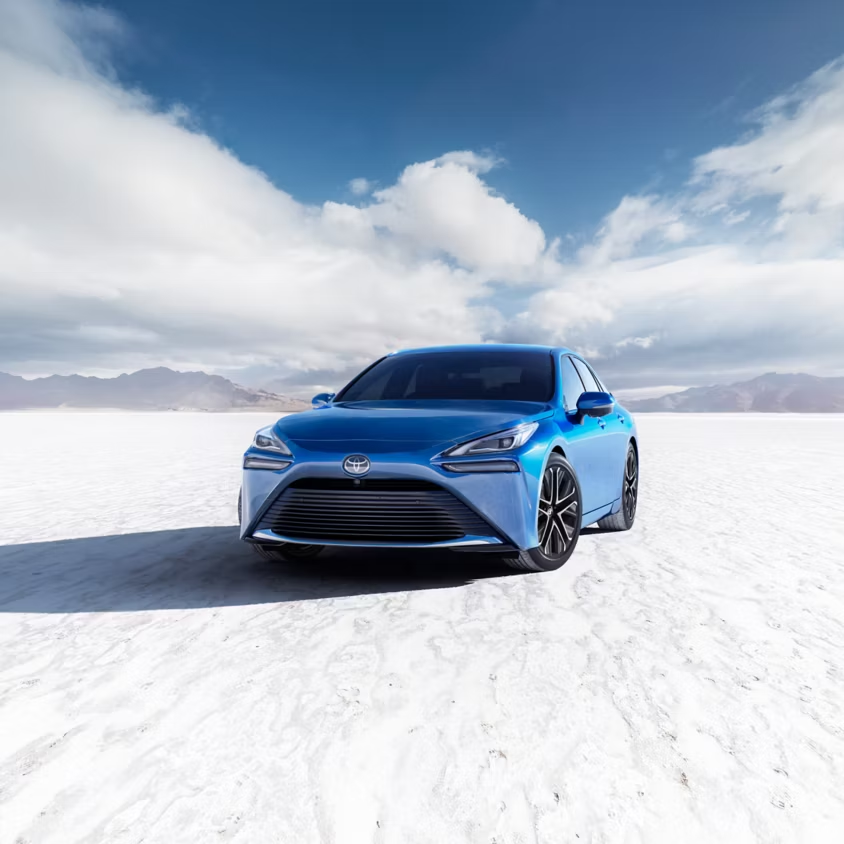
The Toyota Mirai is one of the leading hydrogen fuel cell vehicles on the market in 2026, emitting only water vapor from its tailpipe.

The Hyundai NEXO hydrogen fuel cell SUV continues to set benchmarks for zero-emission hydrogen-powered transportation in 2026.
Hydrogen is the most abundant element in the universe. When produced through green methods — specifically electrolysis powered by renewable energy sources such as solar or wind — green hydrogen produces virtually zero greenhouse gas emissions throughout its production cycle. This stands in sharp contrast to the mining-intensive, ecologically damaging supply chain underpinning BEV batteries.
Why Hydrogen Is Environmentally Superior
From a lifecycle environmental perspective, green hydrogen has several compelling advantages over battery electric technology:
- No Critical Mineral Mining: Hydrogen fuel cells require only small quantities of platinum as a catalyst, and ongoing research in 2026 is successfully reducing even this requirement. There is no dependency on cobalt, lithium, or manganese mined under environmentally destructive conditions.
- No Battery Degradation: Hydrogen fuel cell stacks have demonstrated considerably better longevity compared to lithium-ion batteries. They do not suffer from the same degradation cycle that forces BEV owners to replace battery packs after several years, generating substantial waste.
- Sustainable and Abundant Fuel Source: Hydrogen can be produced from water using renewable electricity. Unlike lithium and cobalt, water is not a finite mineral resource subject to depletion. Green hydrogen production can be scaled sustainably without the ecological devastation associated with mineral extraction.
- Faster Refuelling: HFCVs can be refuelled in approximately three to five minutes, comparable to conventional petrol vehicles, making them highly practical for long-distance transportation and heavy-duty applications.
- No End-of-Life Battery Crisis: Without large chemical battery packs, HFCVs avoid the looming waste management crisis that the BEV industry will face as millions of degraded battery packs require disposal in the coming decades.
Is Hydrogen Perfect? Addressing the Challenges
In the spirit of balanced journalism, it is important to acknowledge that hydrogen technology is not without its current challenges. The majority of hydrogen produced globally today is still derived from natural gas through a process called steam methane reforming (SMR), which does produce CO₂ emissions — this is known as grey hydrogen. Green hydrogen, produced via renewable-powered electrolysis, currently represents a smaller share of global hydrogen production, though this is changing rapidly as governments and energy companies invest heavily in green hydrogen infrastructure.
Hydrogen refuelling infrastructure also remains less developed than EV charging networks in many regions, though significant investments are being made across Europe, Asia, and the Middle East — including in Azerbaijan — to build out comprehensive hydrogen refuelling networks. The efficiency of hydrogen fuel cell powertrains, measured from well-to-wheel, is currently lower than that of BEVs, though improvements in electrolyzer and fuel cell efficiency continue to close this gap.
The Road Ahead for Hydrogen
In 2026, the momentum behind green hydrogen is undeniable. The European Union's Hydrogen Strategy targets the production of 20 million tonnes of green hydrogen annually by 2030. Japan has committed to becoming a hydrogen society. South Korea has invested billions in hydrogen infrastructure. Major automakers including Toyota, Hyundai, Honda, and BMW are actively developing next-generation hydrogen vehicles across passenger car, truck, and bus segments.

The BMW iX5 Hydrogen represents the German automaker's commitment to hydrogen as a serious long-term powertrain solution.
As green hydrogen production scales up and costs decline — driven by falling renewable energy prices and improving electrolyzer technology — the environmental case for hydrogen will only strengthen further.
BakuWheels Verdict: Hydrogen Is the Greener Choice
After thoroughly examining both technologies, BakuWheels concludes that hydrogen fuel cell vehicles represent the genuinely greener long-term solution for sustainable transportation. The environmental case is clear and compelling:
Battery electric vehicles carry a heavy ecological burden from the moment they are built. The destructive mining of lithium, cobalt, and nickel inflicts lasting damage on ecosystems and communities. Battery degradation means that EV packs need to be replaced, creating mounting e-waste challenges. Most critically, the finite reserves of critical minerals mean that the world cannot sustain a fully battery-electric global vehicle fleet indefinitely — supply constraints will become a serious obstacle within the coming decades.
Hydrogen, by contrast, is produced from one of the most abundant molecules on Earth — water. With renewable-powered green hydrogen, the fuel source is effectively inexhaustible and environmentally benign. Hydrogen fuel cells do not degrade in the same manner as lithium-ion batteries, and the absence of a large chemical battery pack eliminates the toxic waste disposal problem that will haunt the BEV industry for generations.
The transition to green hydrogen will require investment, infrastructure development, and time. But for those genuinely committed to a sustainable automotive future — not just a convenient one — hydrogen is the path that leads to a truly clean planet. At BakuWheels, we believe the future of sustainable mobility is not just electric — it is hydrogen.