
Introduction: A New Chapter for Polestar
At BakuWheels, we have been closely following the evolution of Polestar since it broke free from Volvo's shadow and established itself as a standalone electric performance brand. With the Polestar 2 proving the brand's EV credentials and the Polestar 3 and 4 broadening its SUV portfolio, all eyes have been firmly fixed on the car that Polestar considers its true flagship — the Polestar 5. Now, for the 2026 model year, the Polestar 5 has arrived in production form, and it is nothing short of extraordinary.
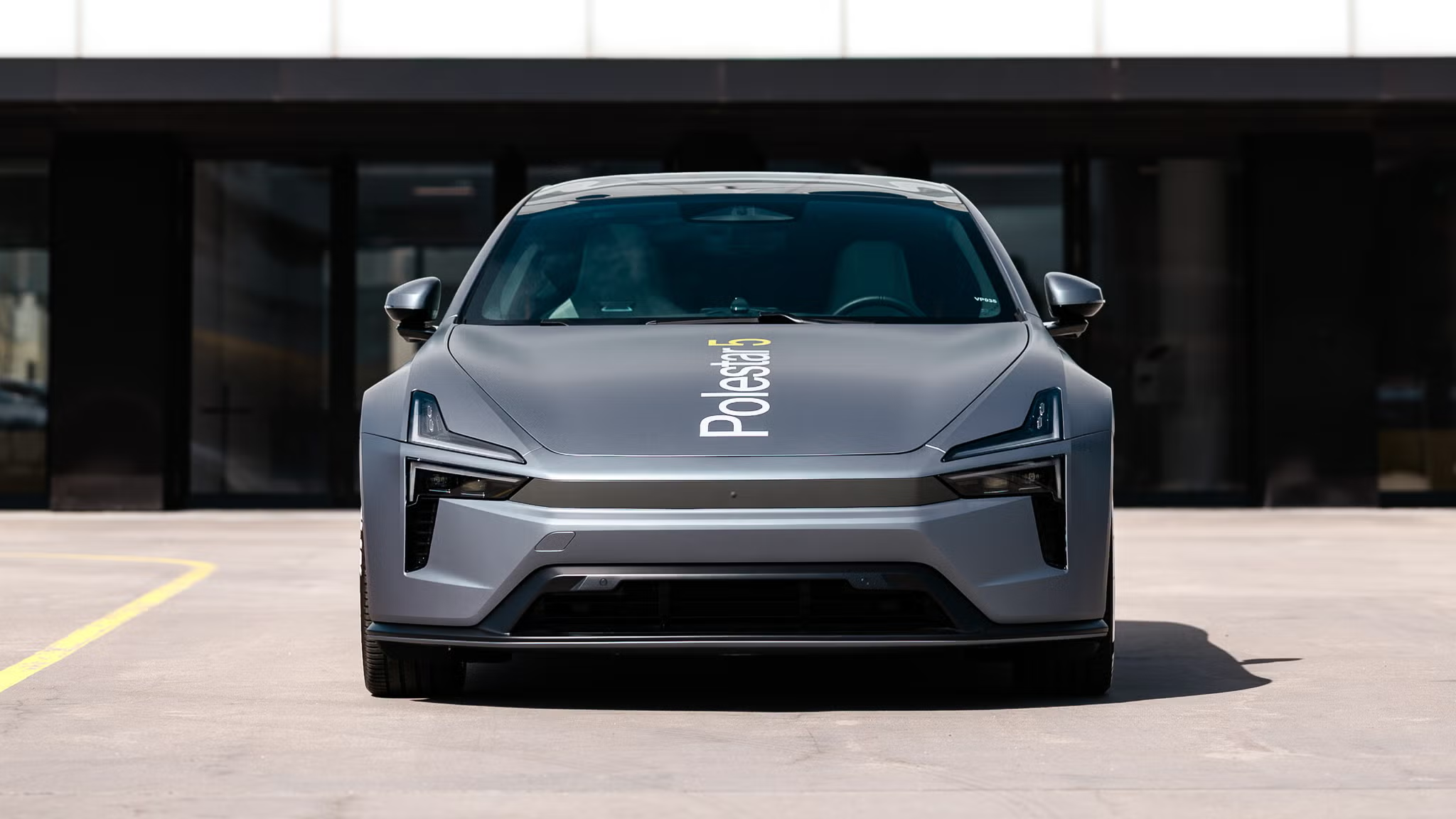
Based on the breathtaking Polestar O2 concept that stunned audiences at its debut, the Polestar 5 transitions from dream to reality as a four-door electric grand tourer. It is a car designed to cover continents in supreme comfort at breathtaking speed, all while producing zero tailpipe emissions. As automotive journalists at BakuWheels, we can confidently say this is one of the most significant electric vehicles launched in recent memory.
Design: Sculpture in Motion
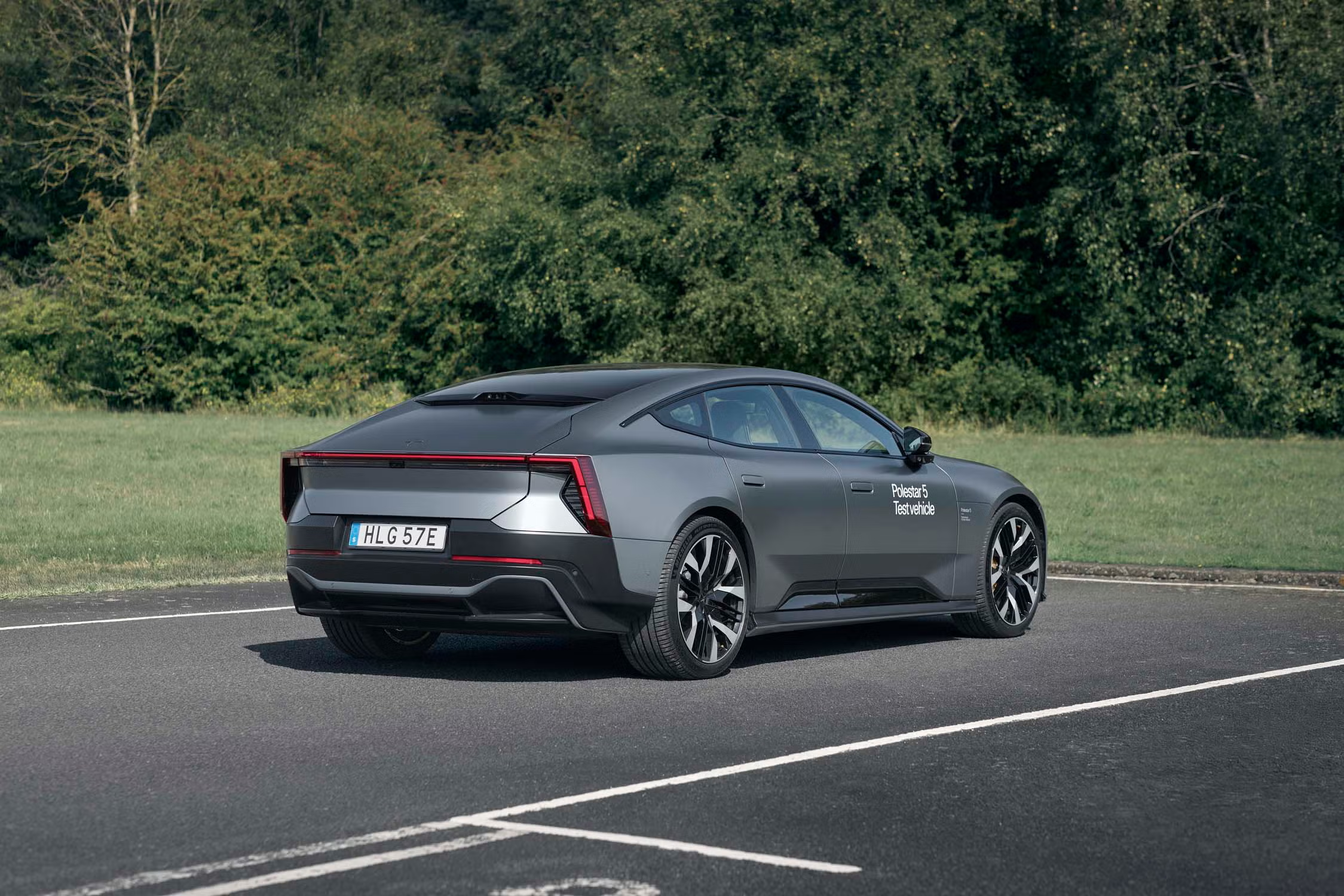
The Polestar 5's exterior design is a masterclass in restrained Scandinavian elegance. Long, sweeping lines define a silhouette that is unmistakably a grand tourer — low-slung, wide, and purposeful. The fastback roofline flows gracefully into a short, sculpted tail, giving the car an aerodynamic purity that serves both aesthetics and efficiency.
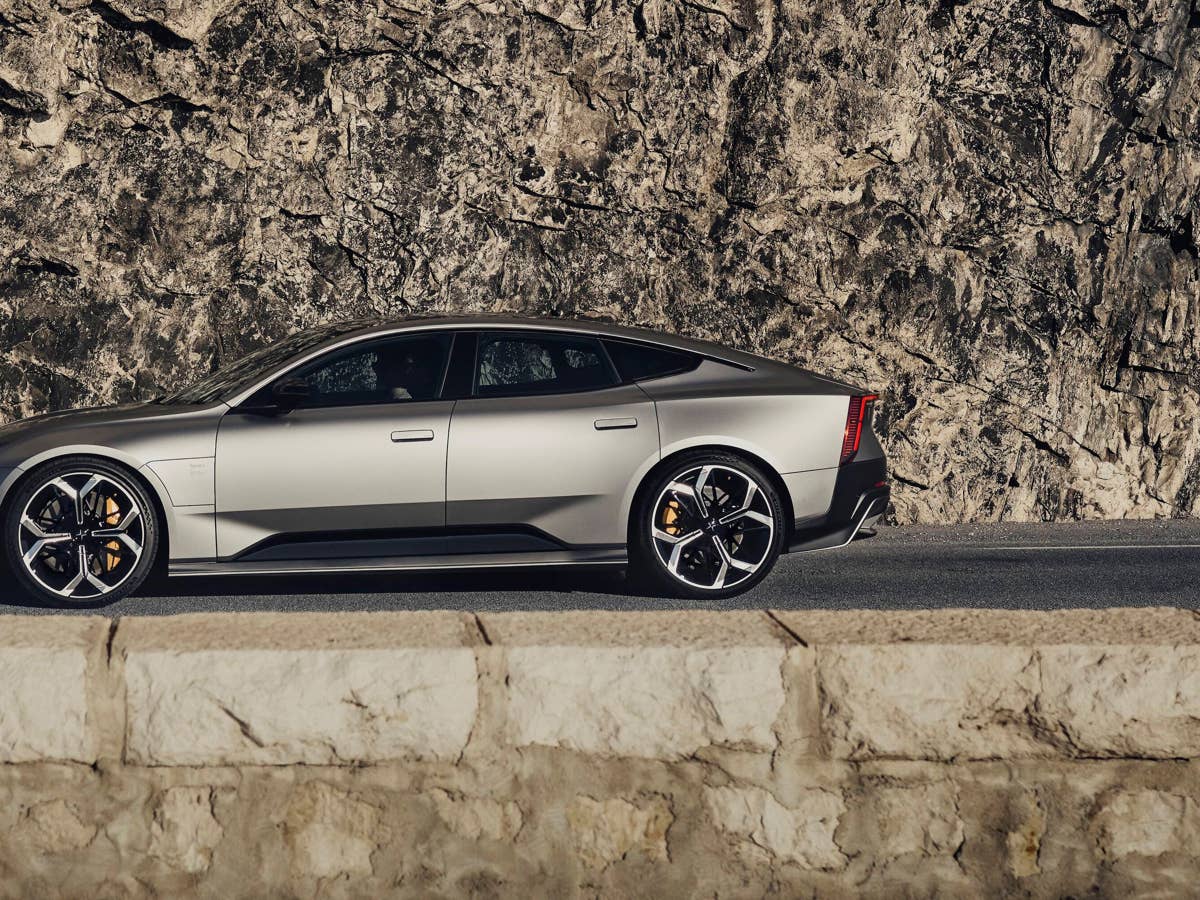
At the front, the Polestar signature illuminated blade runs horizontally across the nose, flanked by slim, full-LED headlights that give the car a wide, confident stance. The absence of a traditional grille — a nod to its electric powertrain — is replaced by a smooth, aerodynamically optimised front fascia. Flush door handles, a sleek glasshouse, and 22-inch forged alloy wheels complete a look that feels both futuristic and timeless simultaneously.
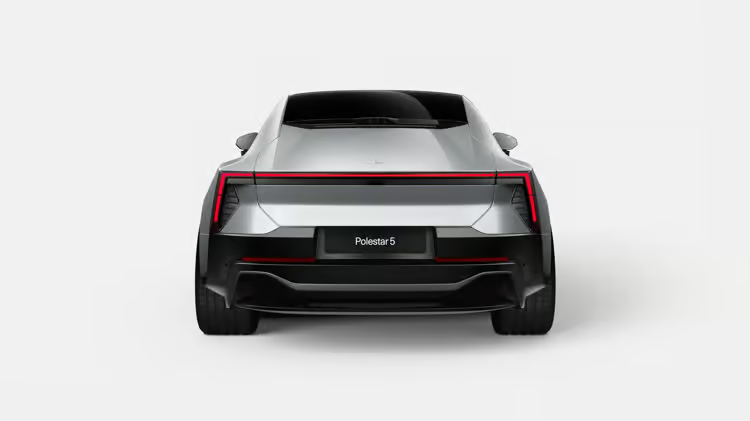
The rear is equally compelling, featuring a full-width LED light bar that echoes the front lighting signature. The overall design language is cohesive, mature, and thoroughly premium — exactly what you would expect from a vehicle positioning itself against the Porsche Taycan and Aston Martin DB12 in the luxury GT space.
Revolutionary Architecture: The Bonded Aluminium Platform
Perhaps the most technically fascinating aspect of the Polestar 5 is its all-new bonded aluminium architecture — a bespoke platform developed specifically for this car. Rather than relying on conventional welding techniques, Polestar has employed an advanced aluminium bonding and riveting process, inspired by aerospace manufacturing methods. This results in a structure that is exceptionally rigid, significantly lighter than comparable steel-intensive platforms, and offers superior crash protection.
This dedicated platform allowed Polestar's engineers to optimise weight distribution, lower the centre of gravity by housing the battery pack within the floor, and fine-tune the suspension geometry for a true driver's car experience. The platform also underpins what will become future high-performance Polestar models, making it a critical long-term investment for the brand.
Powertrain and Performance: An Electrifying Experience
The Polestar 5 is powered by a dual-motor all-wheel-drive electric powertrain that produces a staggering 872 horsepower (650 kW) and 900 Nm of torque. These figures place it firmly in hypercar territory in terms of straight-line performance. Polestar claims a 0–100 km/h sprint time of just 3.2 seconds, with a top speed electronically limited to 250 km/h.
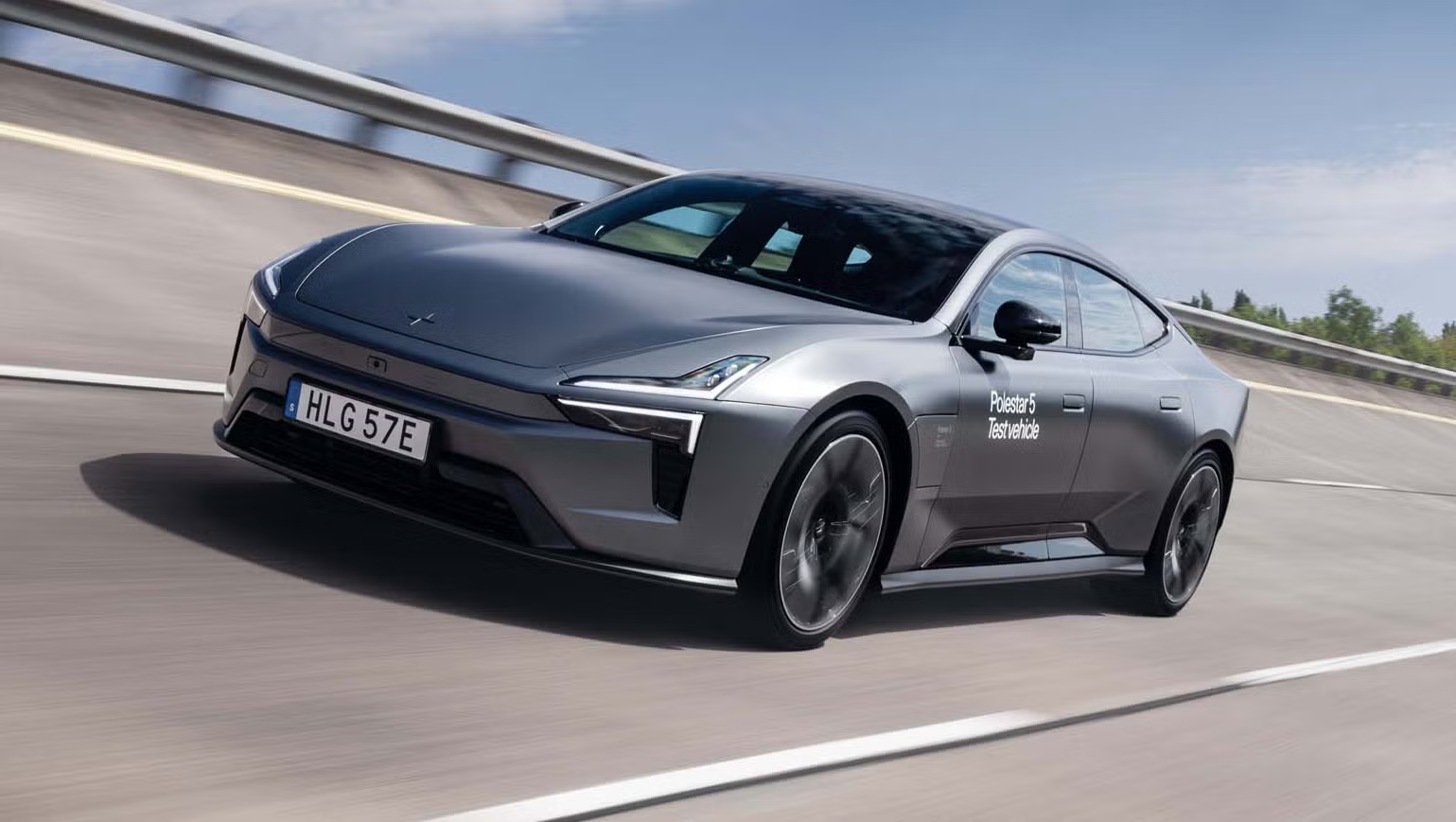
The instant torque delivery characteristic of electric motors translates into an acceleration experience that is both visceral and relentless. Unlike some high-power EVs that feel overwhelming but one-dimensional, Polestar has worked diligently to ensure the 5 delivers a layered, engaging driving experience. Torque vectoring between the front and rear axles is managed by a sophisticated control system that can distribute power with remarkable precision, allowing the driver to place the car exactly where they want it through a corner.
The large-capacity battery pack — with a usable capacity reported to be in the region of 100 kWh — is expected to deliver a WLTP-rated range of approximately 600 km (373 miles). The Polestar 5 supports 350 kW DC fast charging, meaning in ideal conditions, the battery can be replenished from 10% to 80% in under 20 minutes — a genuine game-changer for grand tourer usability.
Chassis and Dynamics: A Driver's Grand Tourer
Polestar has invested heavily in ensuring the 5 drives as impressively as it looks. The car is equipped with a sophisticated multi-link suspension system at both ends, with continuously variable adaptive dampers that can transform the car's character from a plush long-distance cruiser to a sharp, focused sports machine in moments. Rear-wheel steering is also fitted, improving agility at lower speeds and stability at higher velocities.
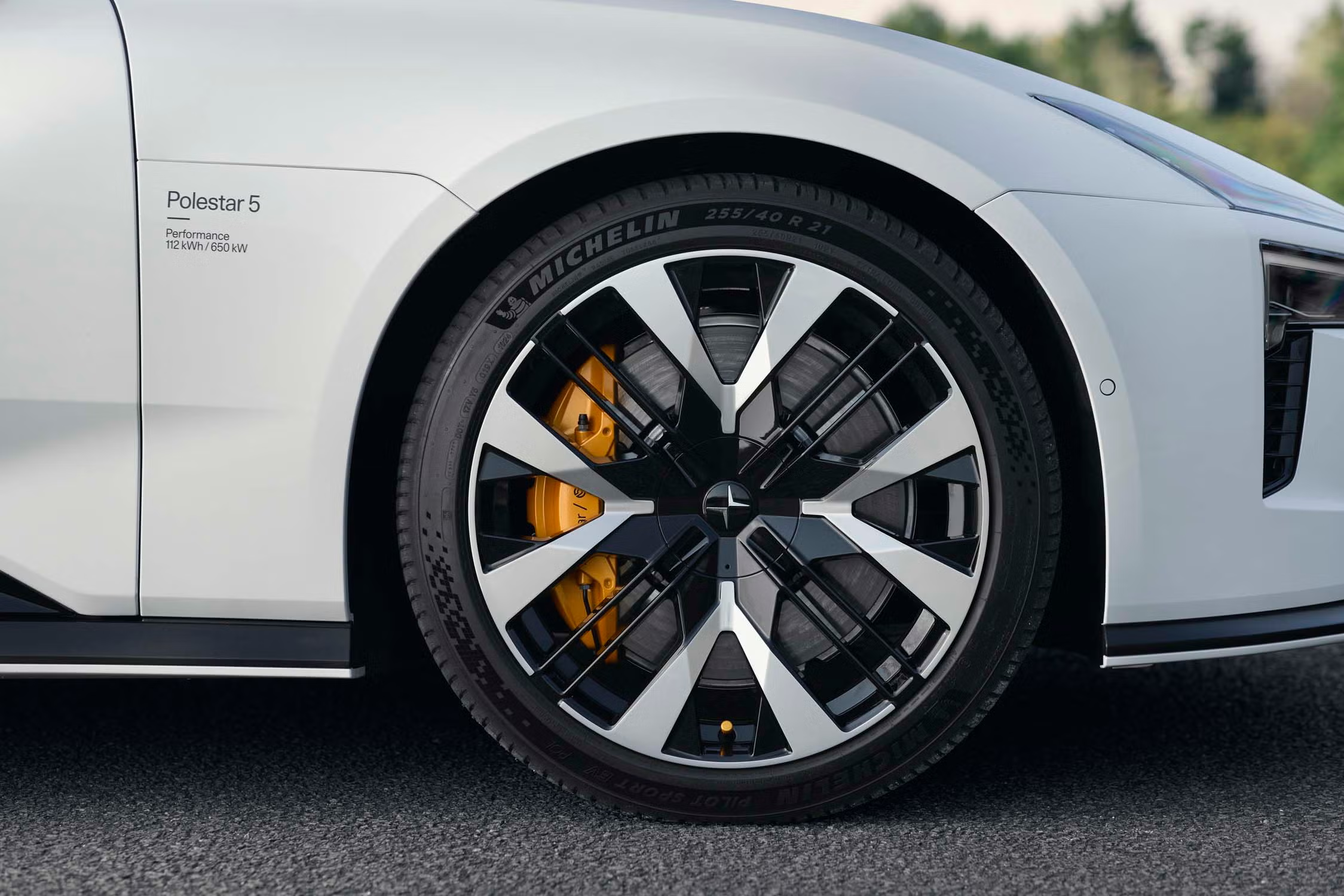
The steering is electrically assisted but has been tuned to provide meaningful feedback — a quality increasingly rare in modern performance cars. Brembo high-performance brakes are fitted as standard, with optional carbon-ceramic discs available for track-focused buyers. The combination of the low centre of gravity from the floor-mounted battery, the lightweight aluminium structure, and the precision chassis tuning results in a car that defies its considerable 2,200 kg kerb weight.
Interior: Luxury Redefined
Step inside the Polestar 5 and the cabin immediately communicates a sense of occasion. The interior has been designed with the same meticulous attention to detail as the exterior, creating a space that feels genuinely first-class. A wide, floating centre console bisects the cabin, flanked by deeply sculpted sport seats trimmed in premium recycled materials and sustainable leather alternatives.
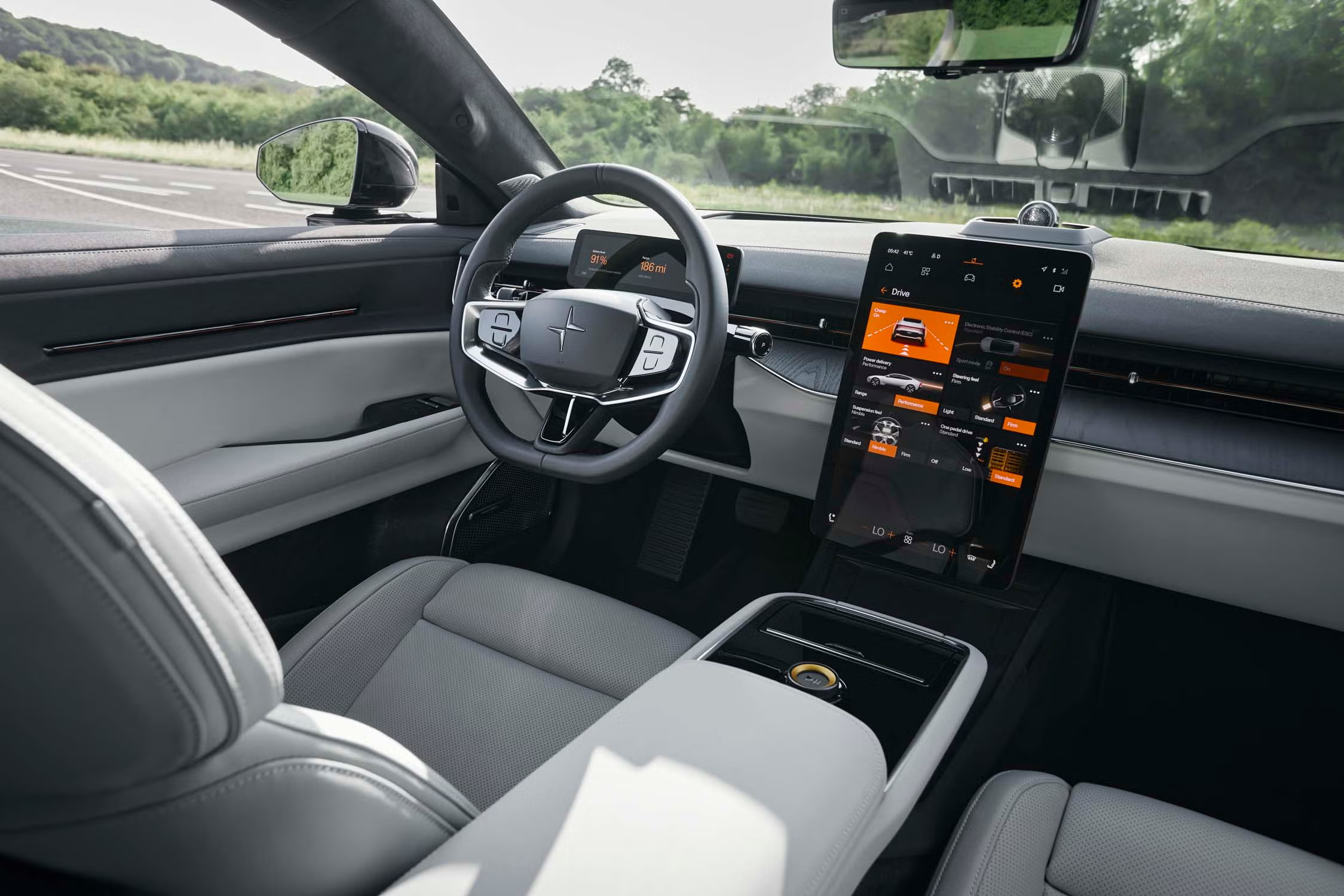
The digital cockpit features a large landscape-oriented central touchscreen powered by an Android Automotive OS-based infotainment system, integrated Google services, and over-the-air update capability. A separate driver display provides all essential performance and navigation information without distraction. The ambient lighting system is extensive and customisable, creating a genuinely special atmosphere at night.
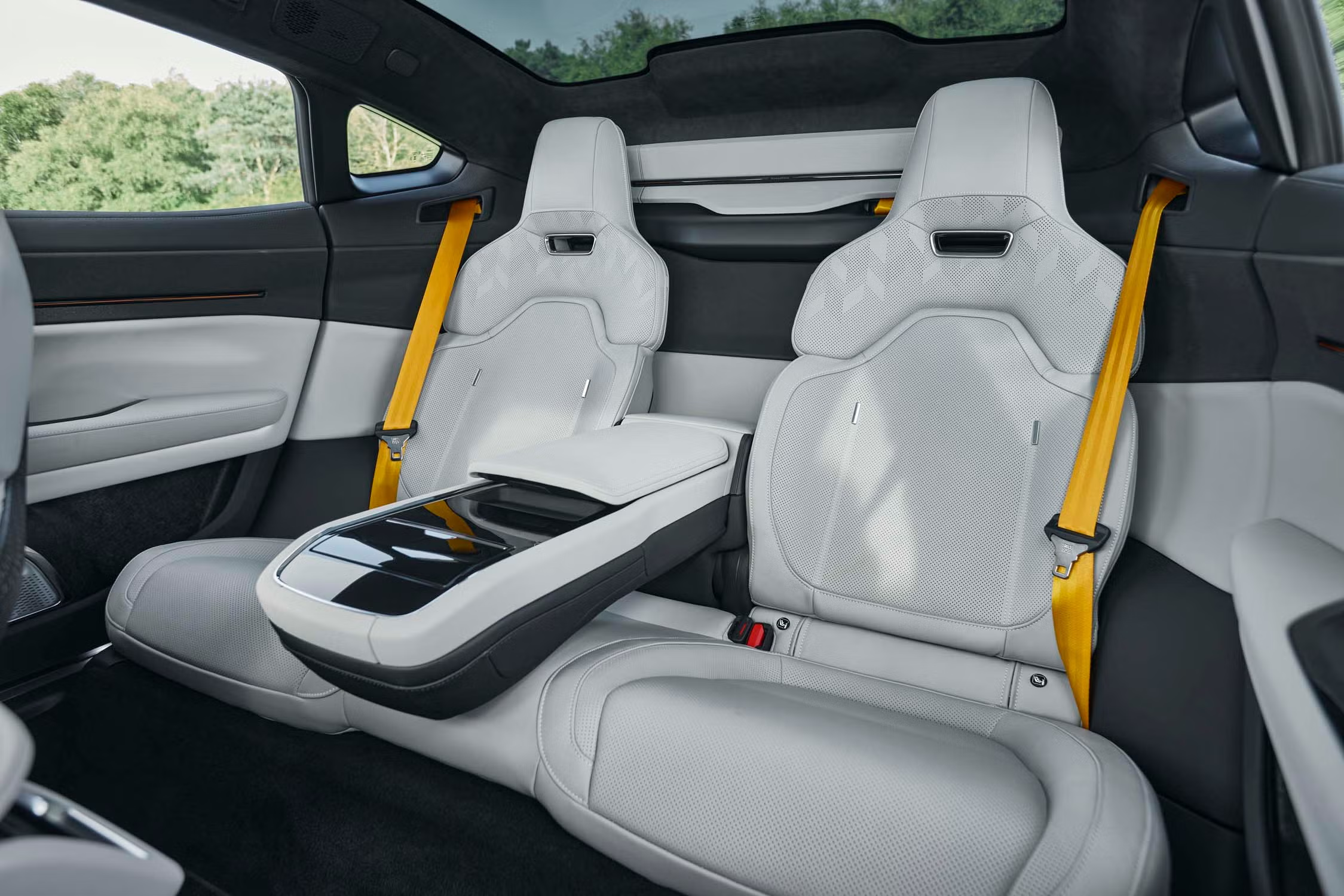
Rear passenger accommodation is notably generous for a grand tourer of this profile, with two individual rear seats offering excellent legroom and headroom thanks to the well-managed roofline. The boot capacity, while not cavernous, is practical enough for extended touring. Acoustic glazing and comprehensive sound insulation ensure the cabin remains a serene, isolated environment regardless of the speeds being achieved outside.
Technology and Connectivity
As expected from a modern Polestar, the 5 is comprehensively equipped with the latest driver assistance and connectivity technology. A full suite of advanced driver assistance systems (ADAS) is standard, including highway pilot capability, automatic emergency braking with cyclist and pedestrian detection, blind-spot monitoring, and a 360-degree camera system.
The Polestar app ecosystem allows the driver to pre-condition the car, manage charging schedules, and monitor vehicle status remotely. Wireless Apple CarPlay and Android Auto are standard, alongside a premium sound system developed in collaboration with a high-end audio partner. Over-the-air software updates ensure the car continues to improve and evolve throughout its ownership lifecycle — a critical feature in the modern EV landscape.
Price and Market Positioning
The Polestar 5 2026 is positioned as a premium luxury electric grand tourer, with pricing expected to commence at approximately £95,000–£100,000 (around $120,000 USD) in key markets, with fully optioned examples likely exceeding £120,000. This places it directly in competition with the Porsche Taycan Turbo, the Mercedes-AMG EQS, and at the aspirational end, the forthcoming electric grand tourers from established British and Italian luxury brands.
Polestar is positioning the 5 not merely as an electric alternative to these established rivals, but as an outright superior product in terms of performance-to-weight ratio, technological sophistication, and sustainable construction. Given what we know of the car so far, this is a bold but credible claim.
BakuWheels Verdict
The Polestar 5 2026 is a landmark vehicle — not just for Polestar as a brand, but for the electric vehicle segment as a whole. It demonstrates with crystal clarity that the transition to electric mobility does not require any compromise in performance, luxury, or driver engagement. The bonded aluminium architecture is a genuine engineering achievement, the powertrain figures are genuinely extraordinary, and the design is among the most beautiful to emerge from the EV world.
For the luxury GT buyer who demands the pinnacle of performance and technology without the guilt of fossil fuel consumption, the Polestar 5 is not merely an option — it is the definitive answer. At BakuWheels, we rate this as one of the most important and exciting new car launches of 2025–2026, and we eagerly anticipate getting behind the wheel for a full driving review.
BakuWheels — Your Authority on Automotive Excellence in Azerbaijan and Beyond.