
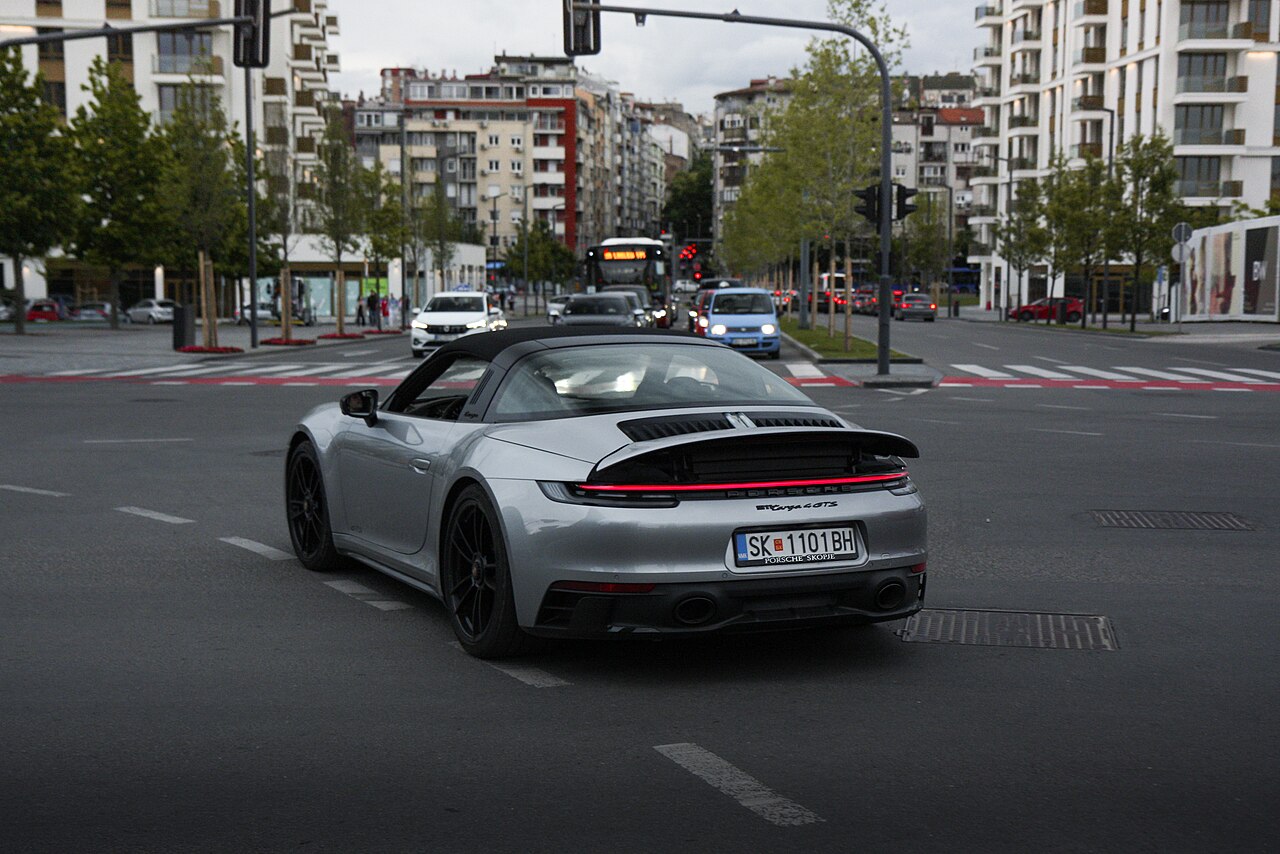
If you've ever browsed a Porsche configurator and felt your jaw hit the floor, you're not alone. The 2026 Porsche 911 starts at just over $120,000 USD in its base Carrera trim, and by the time you start ticking option boxes — Sport Chrono package, ceramic brakes, leather everything — you can easily push a single 911 well past $200,000. For many, this raises an obvious question: is the Porsche 911 overpriced?
At BakuWheels, we believe the answer is nuanced, layered, and absolutely worth exploring. Let's break it down.
A Legacy That Justifies the Price Tag
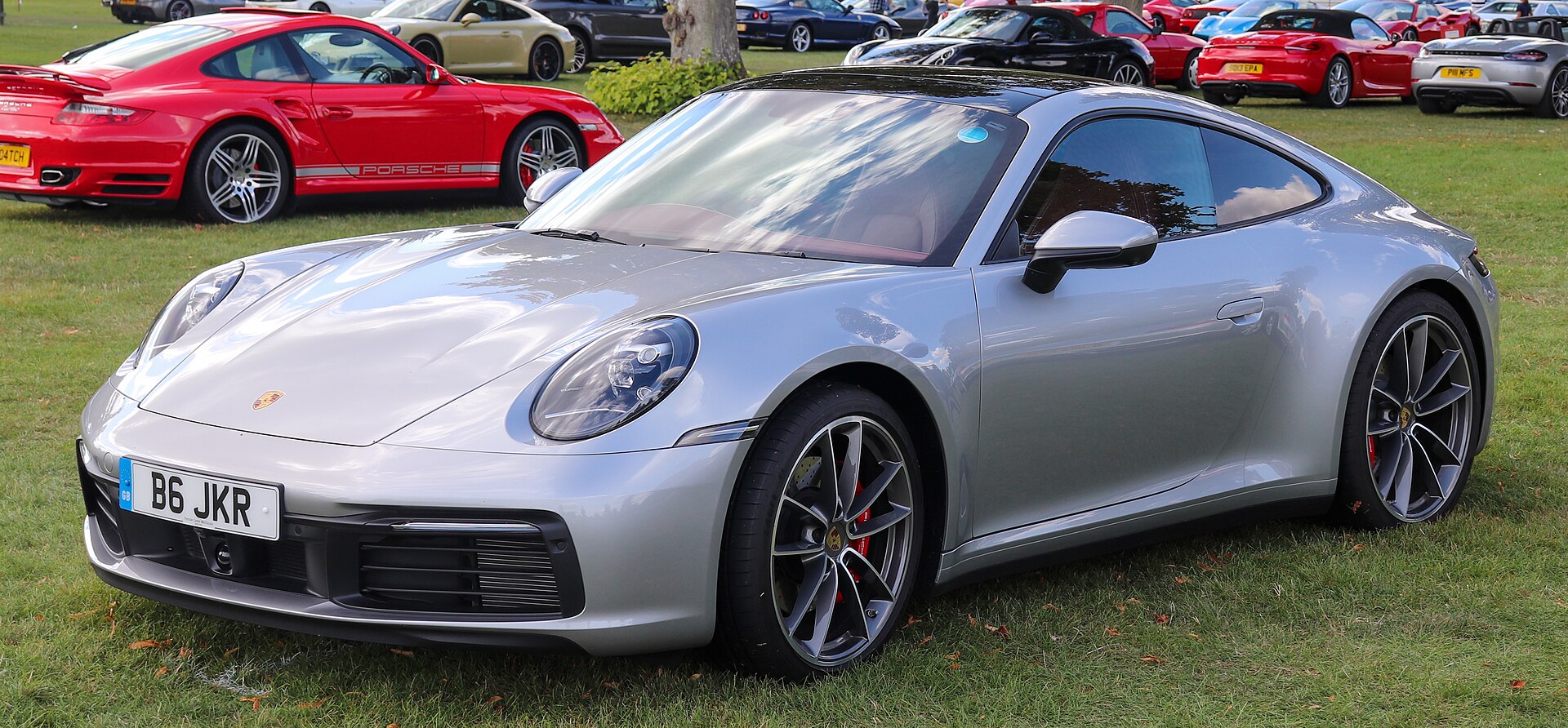
The Porsche 911 first appeared in 1963, and in over six decades it has never once compromised its core identity. It has always been a rear-engined, rear-wheel-drive (or all-wheel-drive in higher variants) sports car with a flat-six engine. In automotive terms, that kind of consistency and refinement across generations is almost unheard of. You are not just buying a car — you are buying into 60+ years of engineering philosophy, motorsport heritage, and continuous development.
Porsche has won at Le Mans 19 times. Their racing DNA flows directly into every road car they produce. When you grip the 911's steering wheel, you are holding something that has been continuously refined through thousands of hours of motorsport feedback. That is not marketing fluff — that is a quantifiable engineering advantage.
The 2026 Porsche 911 Lineup — What Are You Actually Getting?
The 2026 911 lineup includes the Carrera, Carrera 4, Carrera S, Carrera 4S, Targa 4, Targa 4S, GTS, GT3, GT3 RS, and the range-topping Turbo S. Each variant is meticulously engineered for a specific type of driver and driving experience.
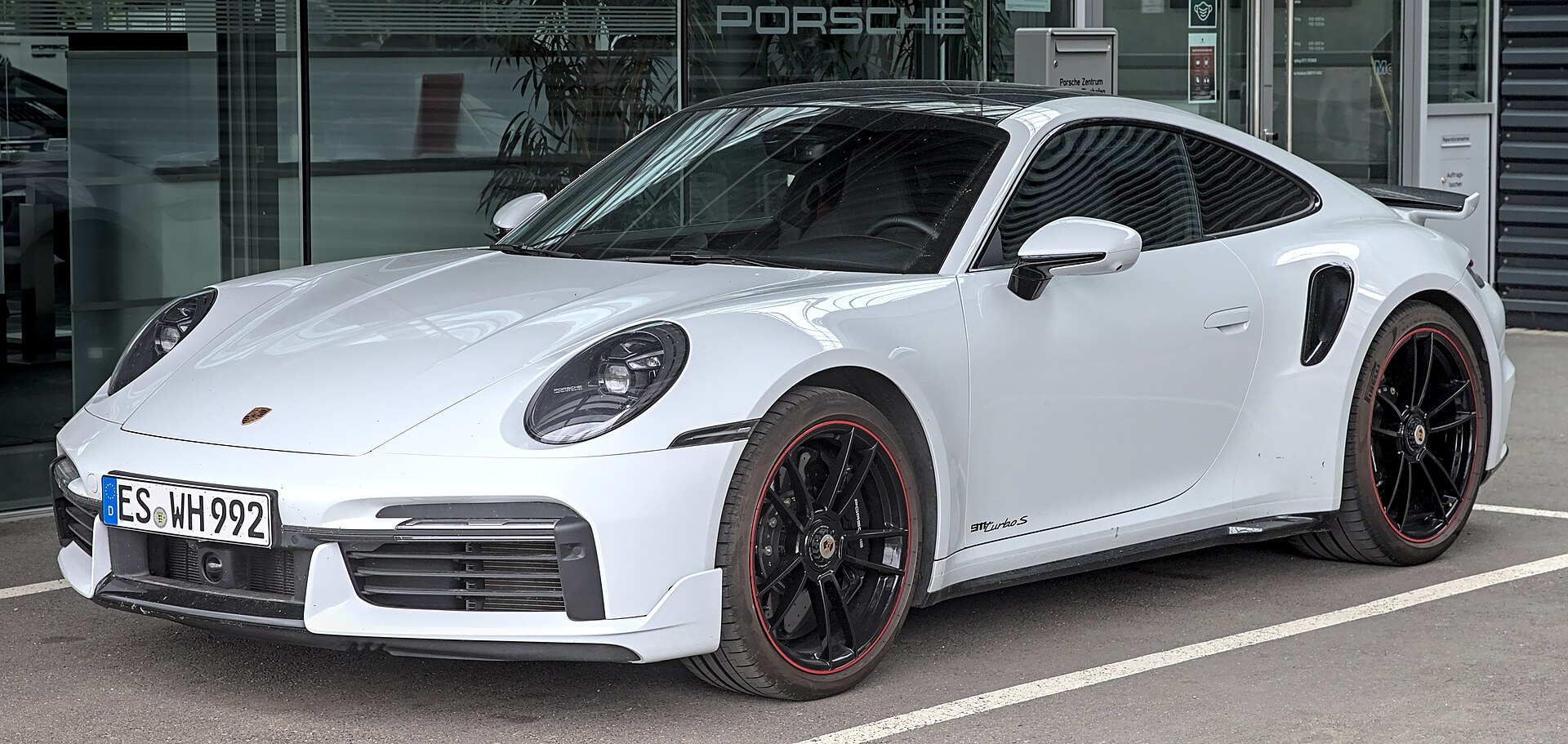
The base 2026 Carrera uses a 3.0-liter twin-turbocharged flat-six engine producing 385 horsepower and 450 Nm of torque, paired with an 8-speed PDK dual-clutch transmission. It rockets from 0 to 100 km/h in just 4.0 seconds. The top-of-the-range 911 Turbo S produces a staggering 650 horsepower, achieving 0-100 km/h in 2.7 seconds — supercar territory by any standard.
But raw numbers only tell part of the story.
Build Quality That Is in a Class of Its Own
Step inside a 2026 Porsche 911 and the quality of materials, switchgear, and fit-and-finish is immediately apparent. The leather surfaces are stitched to perfection. The aluminum controls have a satisfying tactile weight to them. Every button, dial, and screen has been placed with ergonomic precision. Porsche consistently ranks among the very top automotive brands in global quality surveys, and the 911 is the jewel in that crown.
The body panels are made with exceptional precision — panel gaps are measured in fractions of millimeters. The aerodynamic engineering is so advanced that the active rear spoiler and underbody diffuser work in concert to generate real downforce at speed without creating drag at lower velocities. This is not passive design; it is active aerodynamics borrowed directly from Porsche's GT racing program.
The Driving Experience: Why It Cannot Be Replicated
Here is where the 911 truly separates itself from the crowd. The rear-engine layout, a configuration that every other manufacturer has long abandoned for road cars, gives the 911 a completely unique weight distribution and handling character. The rear of the car feels planted and alive simultaneously. In corners, the 911 communicates with the driver in a way that feels almost telepathic.
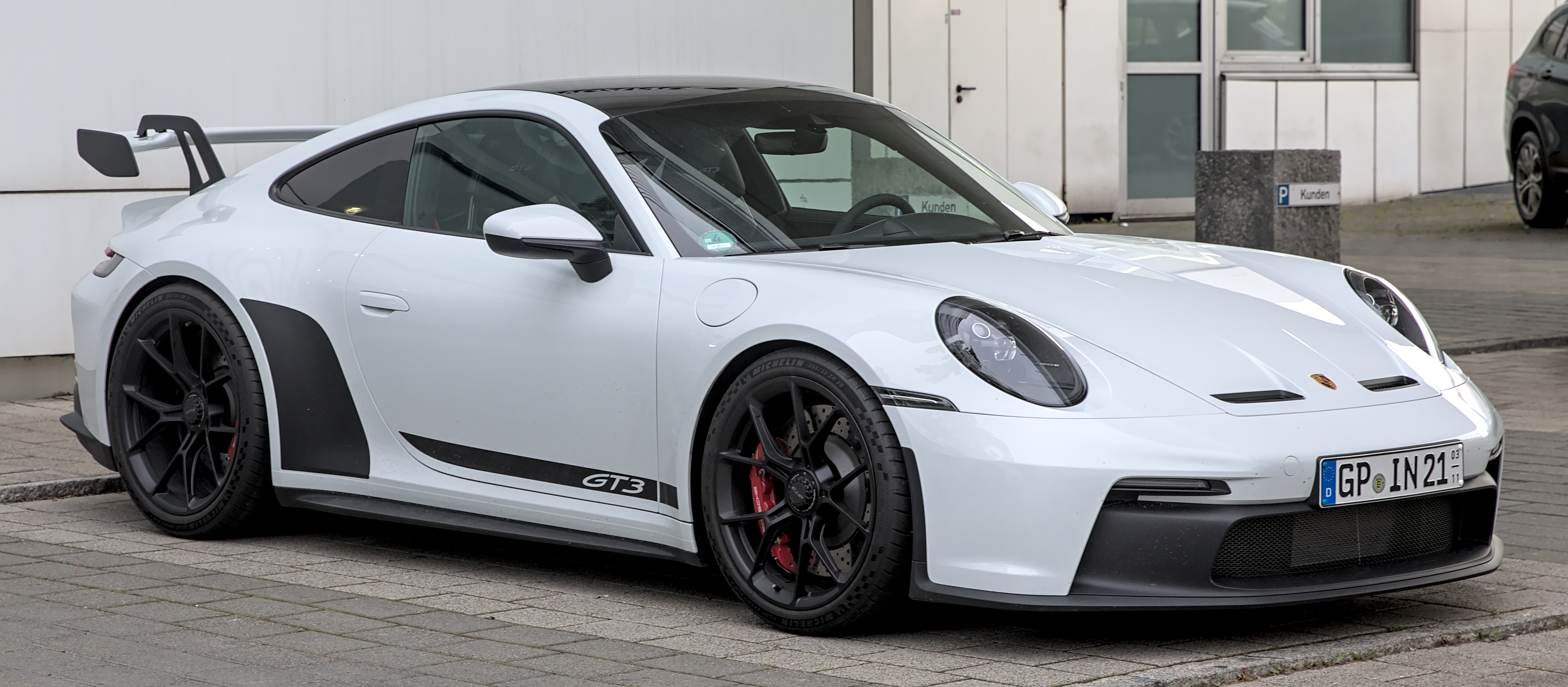
The GT3 variant, for instance, uses a naturally aspirated 4.0-liter flat-six engine revving to an extraordinary 9,000 RPM, producing 510 horsepower. This engine note — a mechanical, high-pitched wail that builds exponentially — is something no electric motor or turbocharged unit can replicate. For driving purists, this is priceless.
Porsche's PASM (Porsche Active Suspension Management) system continuously adapts damper settings in real time. Their PDCC (Porsche Dynamic Chassis Control) actively reduces body roll. The result is a car that is equally comfortable cruising on a highway on a Monday morning and carving through mountain roads on a Saturday afternoon. Very few sports cars in the world offer this breadth of capability.
Practicality: The Sports Car That Actually Makes Sense Daily
One of the most underrated arguments in the 911's favor is its everyday usability. Unlike many of its exotic rivals, the 911 has a proper front trunk (frunk), rear seats that can accommodate adults on shorter journeys, and a ride quality that does not punish you every time you hit a pothole. You can genuinely use a 911 as a daily driver without sacrifice.
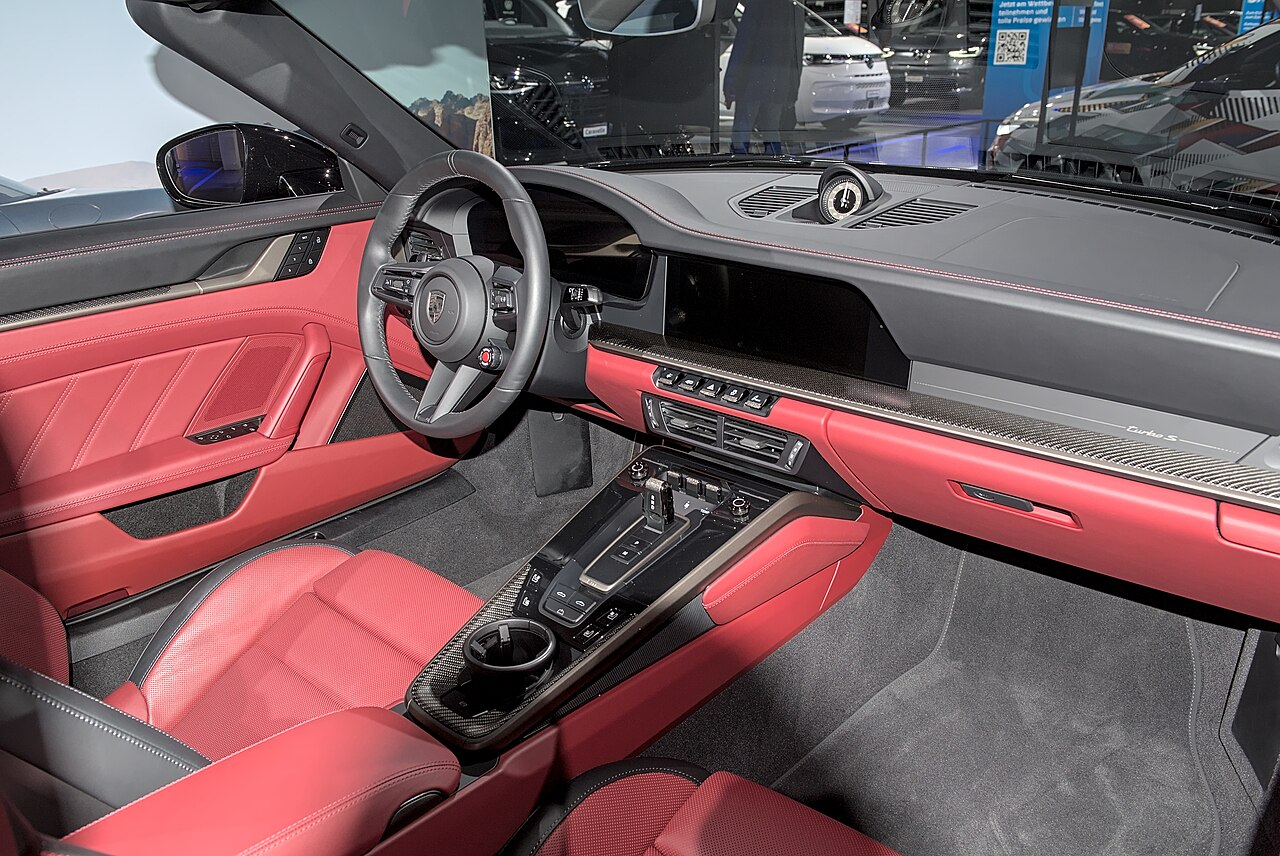
The interior technology in the 2026 model is also thoroughly modern. The central 10.9-inch touchscreen runs Porsche Communication Management (PCM) with wireless Apple CarPlay and Android Auto, over-the-air software updates, and integrated navigation. The driver display is fully digital and customizable. It manages to feel modern without abandoning the analog character that 911 purists love.
Where the 911 Outperforms Its Competitors
When benchmarked against comparable performance sports cars in the $120,000–$200,000 price bracket, the Porsche 911 holds clear advantages in several key areas:
- Reliability and Longevity: Porsche engines are engineered to last hundreds of thousands of kilometers with proper maintenance. The 911 consistently scores among the highest in long-term reliability studies. Ownership costs over a 10-year period are actually lower than many cheaper alternatives.
- Residual Value: The Porsche 911 retains its value better than virtually any other performance car in its class. A well-maintained 911 bought today will still command exceptional resale prices five to seven years from now. In some collector-specification variants like the GT3 RS, values have historically appreciated.
- Driver Engagement: The hydraulic steering rack (available in GT variants), the mechanical feedback through the chassis, and the rear-engine balance create a level of driver connection that is simply not matched by competitors using more conventional front- or mid-engine layouts.
- Breadth of the Model Range: No other manufacturer offers the same sports car in configurations ranging from a comfortable grand tourer to a full race-spec homologation vehicle. The 911 range covers every conceivable use case.
- After-Sales and Dealer Network: Porsche's global dealer network and after-sales support infrastructure is world-class, ensuring ownership remains a pleasurable experience rather than a frustrating one.
So Is It Overpriced?
At BakuWheels, our verdict is straightforward: No, the Porsche 911 is not overpriced. It is precisely priced for what it delivers.
Yes, the options list can inflate the sticker price to absurd levels — and that is a legitimate criticism. Porsche is well known for charging premium prices for features that arguably should be standard. Carbon ceramic brakes at $18,000 as an option on a $150,000 car? That is a reasonable objection. The Sport Chrono package adding $2,000 for software-enabled features? Also a fair point of contention.
But strip away the options game and look at the base vehicle — the engineering, the heritage, the driving experience, the reliability, and the residual value — and the 911 makes an exceptionally strong case for itself. It is a car that will make you feel something every single time you drive it. It will still be worth considerable money a decade from now. And it will never, ever fail to put a smile on your face.
In a world where automotive experiences are becoming increasingly digitized, homogenized, and electrified, the Porsche 911 stands as a monument to what analogue, driver-focused engineering can achieve. And for that? Every cent is earned.
— BakuWheels Automotive Editorial Team