
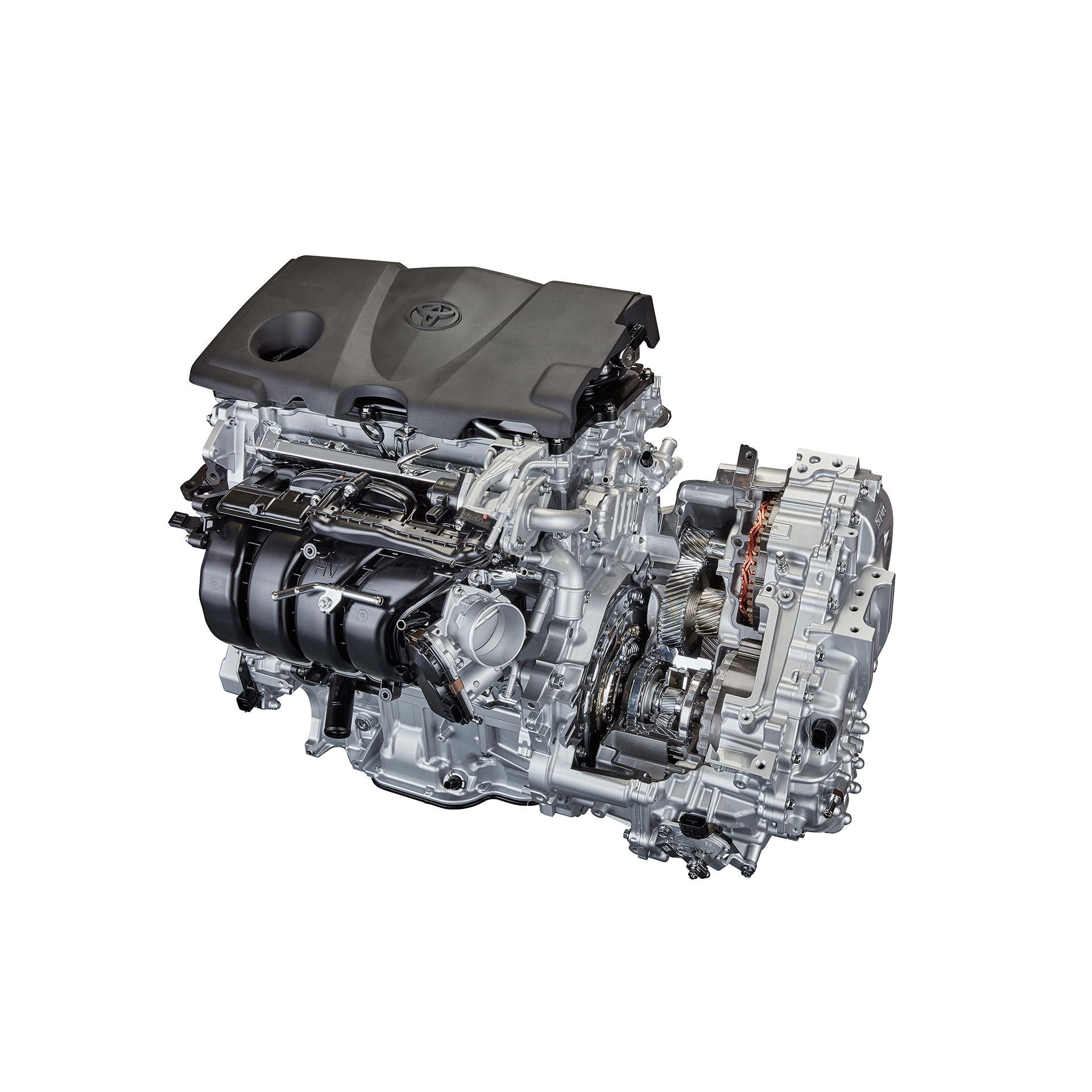
In one of the most unusual diagnostic procedures ever to emerge from a major automaker, Toyota has instructed its dealership technicians to physically tap engine components with a plastic mallet as a method of identifying twin-turbo V6 engines at risk of catastrophic internal failure. This story is as extraordinary as it sounds — and it carries enormous financial and safety implications for owners of some of Toyota's most premium vehicles.
What Is the Plastic Mallet Test?
According to Toyota's Technical Service Bulletin (TSB), technicians are directed to gently strike specific areas of the twin-turbocharged V6 engine block and associated components with a plastic or rubber mallet. The purpose of this tapping procedure is to detect loose debris, dislodged internal components, or structural anomalies that could indicate a manufacturing defect inside the engine. If the tapping produces an unusual rattle, clunk, or abnormal resonance, the engine is flagged for further inspection — and potentially full replacement.
To many seasoned automotive engineers, the procedure sounds almost medieval in an era of laser-guided diagnostics and AI-assisted engine management systems. Yet here we are in 2026, and one of the world's most respected automakers is telling technicians to listen for the telltale knock of a potentially explosive problem.
Which Vehicles Are Affected?
The vehicles at the center of this issue are powered by Toyota's 3.4-liter twin-turbocharged V6 engine — internally known as the V35A-FTS. This engine is used in several of Toyota's flagship and near-flagship models, including:
- Toyota Land Cruiser 300 Series
- Lexus LX 600
- Lexus GX 550
- Toyota Tundra (in certain configurations)
- Toyota Sequoia
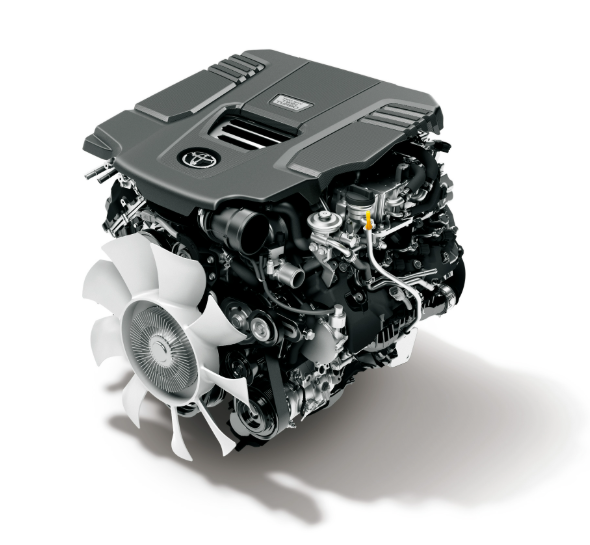
These are not budget vehicles. The Toyota Land Cruiser 300 Series commands prices well above $80,000 in many markets, while the Lexus LX 600 routinely exceeds $100,000. Owners who have invested heavily in these machines deserve answers — and Toyota is now, albeit unconventionally, trying to provide them.

What Is Actually Going Wrong Inside the Engine?
The root cause of the problem centers on manufacturing defects within the V35A-FTS engine's connecting rod bearings and, in some cases, the oil supply passages. In affected units, metal debris or improperly finished bearing surfaces can cause oil starvation, which leads to bearing failure and, in worst-case scenarios, catastrophic engine seizure or internal explosion — what engineers colloquially refer to as a "grenade" failure.
Under high load — such as towing, highway cruising at sustained speeds, or aggressive acceleration — the compromised bearing surfaces can fail rapidly and without warning. The result can be a connecting rod punching through the engine block, destroying the engine entirely and, in some cases, posing a fire risk due to oil spray contacting hot exhaust components.
This is not a theoretical risk. Reports from owners across North America, Australia, the Middle East, and Japan have described sudden catastrophic engine failures, some of which occurred with very low mileage on the odometer — in some cases under 10,000 kilometers.
Why a Plastic Mallet?
The physics behind the mallet test are actually sound, even if the procedure feels archaic. When loose debris — such as bearing fragments or manufacturing swarf (metal shavings from the machining process) — is present inside an engine, tapping the exterior can cause those fragments to shift or rattle against internal surfaces, producing audible feedback that trained technicians can detect.
Think of it as a low-tech acoustic diagnostic. Surgeons use percussion to listen for fluid in body cavities; structural engineers tap bridges and tunnels to identify hollow spots or delamination. Toyota's engineers have essentially adapted this age-old technique to identify engines carrying a ticking time bomb inside.
The plastic mallet — rather than a metal hammer — is used specifically to avoid damaging delicate engine surfaces or generating false vibrations that could confuse the diagnostic results. The force applied must be controlled and consistent, and technicians are trained on exactly where to strike and what to listen for.
Toyota's Official Response
Toyota has acknowledged the issue and has been conducting engine inspections and replacements under warranty for affected vehicles. The company has emphasized that customer safety is its absolute priority and that any vehicle identified through the mallet test procedure as having a potentially defective engine will receive a full engine replacement at no cost to the owner.
In official statements, Toyota has been measured in its language, describing the condition as a "potential manufacturing variance" rather than a widespread defect. However, the automotive community and affected owners have been less diplomatic in their assessments, particularly given the price points of the vehicles involved.
Toyota has also reportedly increased quality control inspections at the production facilities responsible for the V35A-FTS engine, though specific details about production line changes have not been publicly disclosed.
The Lexus GX 550: A Symbol of the Problem
The Lexus GX 550, which arrived as a completely redesigned model riding on the TNGA-F platform and powered by the same V35A-FTS twin-turbo V6, has been particularly scrutinized. The GX 550 was extensively marketed as a refined, capable luxury off-roader — and its engine issues have damaged owner confidence significantly.

Some GX 550 owners in the United States and Australia reported engine failures before their vehicles had even accumulated 15,000 kilometers. The psychological impact of purchasing a six-figure luxury vehicle and having it suffer catastrophic engine failure is immeasurable — and the trust damage to the Lexus brand is a concern that Toyota's leadership cannot afford to ignore.
What Should Owners Do Right Now?
If you own any vehicle equipped with Toyota's V35A-FTS 3.4-liter twin-turbo V6 engine, here is what BakuWheels recommends:
- Contact your nearest authorized Toyota or Lexus dealership immediately and ask whether your specific VIN is subject to any active Technical Service Bulletins or recall notices related to the twin-turbo V6 engine.
- Do not ignore any unusual engine sounds — particularly ticking, knocking, rattling at startup, or loss of oil pressure warnings. These could be early indicators of bearing failure.
- Monitor your oil levels frequently. Unusual oil consumption can sometimes precede catastrophic bearing failure.
- Avoid extreme loading scenarios — such as heavy towing at maximum capacity — until your vehicle has been cleared by a technician.
- Document everything. Keep records of all service visits, communications with the dealership, and any symptoms your vehicle exhibits. This documentation will be critical if you need warranty coverage or any form of compensation.
The Toyota Tundra and Sequoia Factor
The Toyota Tundra and Toyota Sequoia, both of which use variants of the twin-turbo V6 powertrain, have also been caught up in the scrutiny. The Tundra in particular made headlines when Toyota replaced the legendary 5.7-liter V8 with the twin-turbo V6 — a decision that was already controversial among truck enthusiasts. Engine reliability concerns have only intensified that debate.


Tundra owners who rely on their trucks for serious work — contractors, ranchers, those in the construction industry — have expressed significant frustration. A truck that cannot be trusted to tow or haul reliably undermines its fundamental purpose.
Industry Context: A Brand Built on Reliability
Perhaps the most jarring aspect of this entire situation is the Toyota brand identity it contradicts. Toyota has spent decades — arguably most of the 20th and early 21st centuries — building an unassailable reputation for mechanical reliability. The "it just works" promise of Toyota ownership has been a powerful differentiator in every market segment the brand competes in.
The V35A-FTS engine issue is a genuine threat to that legacy. While Toyota is handling the situation with warranty coverage and proactive outreach, the mere fact that a plastic mallet test has become part of the diagnostic protocol for an $80,000-plus vehicle underscores how serious the underlying manufacturing problem has been.
It is worth noting that no automaker — regardless of reputation — is immune to manufacturing defects. The complexity of modern turbocharged engines, with their intricate oil passages, precision-machined bearing surfaces, and extremely tight tolerances, makes the production of even a small number of substandard units an ever-present risk. What defines a brand in these moments is not the absence of defects, but the transparency, speed, and decisiveness of its response.
BakuWheels Verdict
Toyota's plastic mallet diagnostic procedure is unconventional and, frankly, a little unsettling for anyone who has paid top dollar for one of these vehicles. But from a purely technical standpoint, it reflects genuine engineering ingenuity — adapting a simple acoustic principle to solve a complex detection problem.
What matters most, however, is that Toyota follows through on its commitment to fully rectify every affected engine. Owners of the Land Cruiser 300, Lexus LX 600, Lexus GX 550, Tundra, and Sequoia deserve nothing less than complete peace of mind — and a repaired or replaced engine delivered with the urgency this situation demands.
As automotive journalists committed to transparency and owner advocacy, BakuWheels will continue to track this developing situation closely. If you are an affected owner in Azerbaijan or the broader Caucasus region and need guidance on navigating warranty claims, reach out to your authorized Toyota dealer and ensure you are registered in Toyota's owner notification system.
Stay informed. Stay safe. And trust your instincts — if your engine sounds wrong, it probably is.