
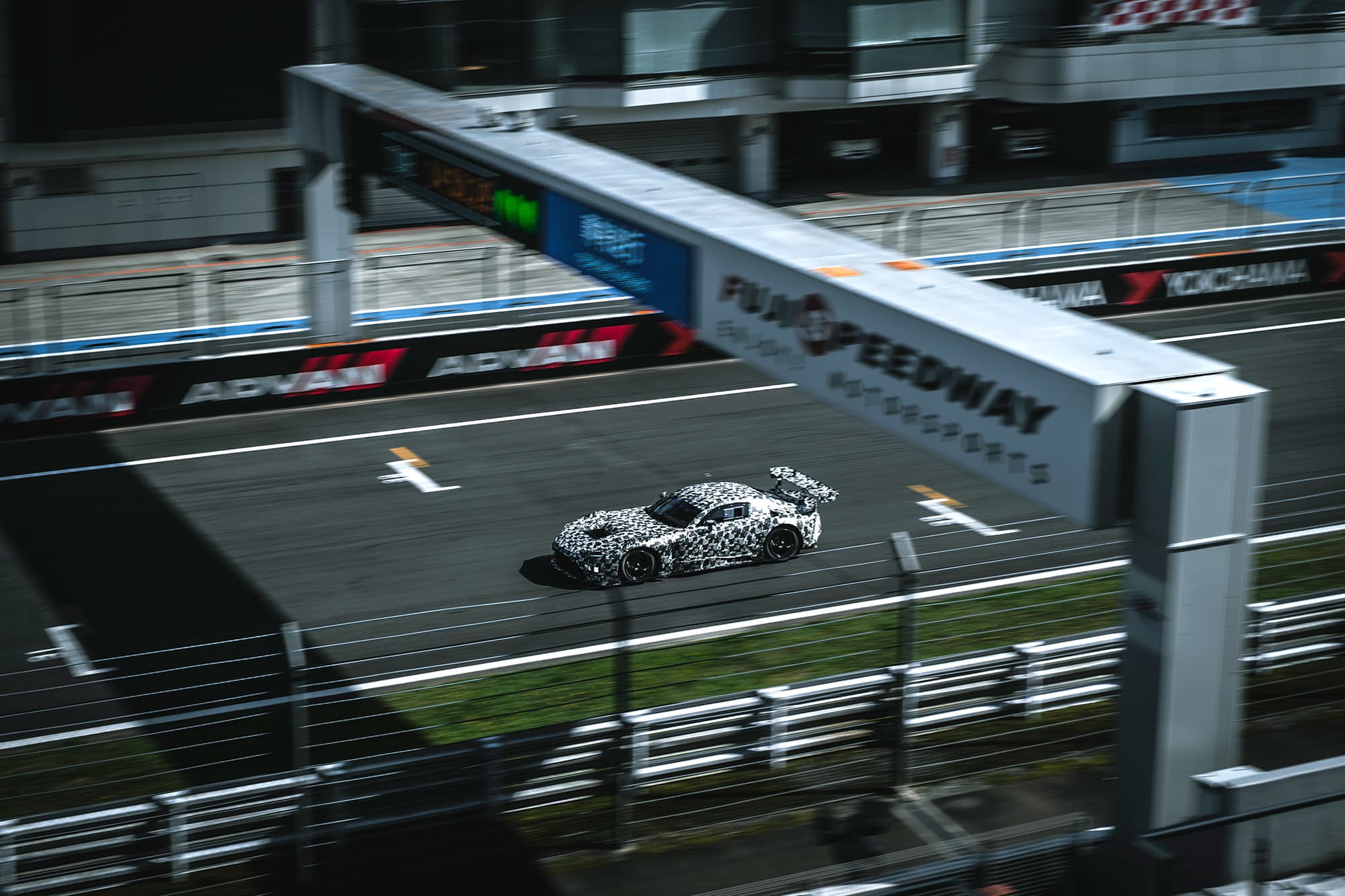
The Confusion That Took the Internet by Storm
In early 2026, automotive enthusiast communities and social media exploded with a rumor that sent shockwaves through the supercar world: the Toyota GR GT3 road car had allegedly been sold out before a single customer even had a chance to place an order. Headlines were dramatic, forums were chaotic, and Toyota fans were left either thrilled or devastated — depending on whether they'd been among the supposed lucky few. But as is often the case in the automotive world, the truth was far more nuanced than the headline.
What Toyota Actually Clarified
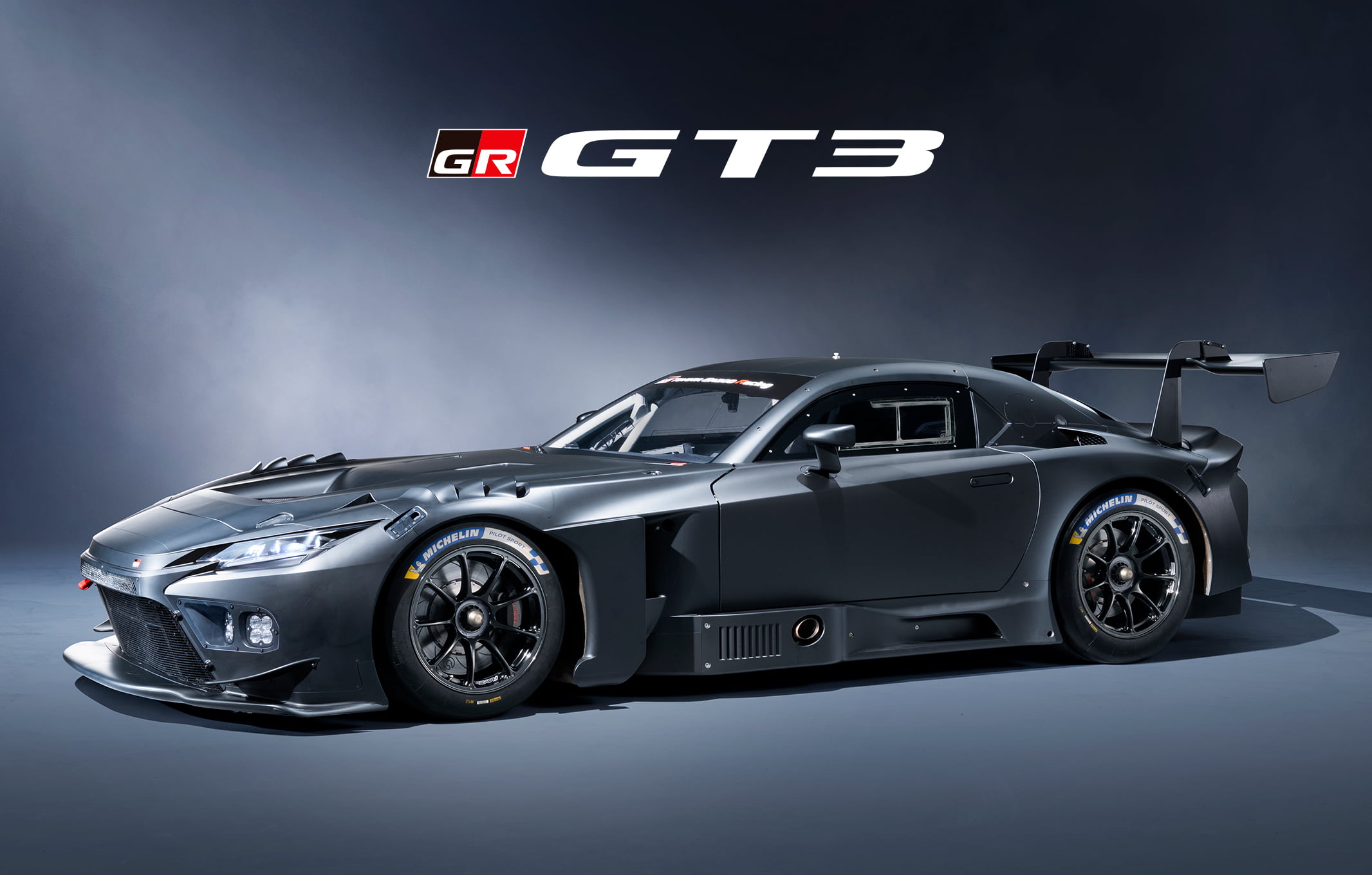
Toyota's official communications team moved quickly to address the storm of speculation. According to Toyota's clarification, the GR GT3 road-legal variant — developed under the Gazoo Racing banner — was never formally opened for public sales allocation in a conventional sense. The reports of it being "sold out" stemmed from the fact that Toyota had quietly engaged a very select group of existing GR customer loyalty program members and racing partners during a private, invitation-only expression-of-interest phase.
Toyota clarified that while interest had indeed overwhelmed the preliminary allocation reserved for that exclusive group, this did not constitute a full public sales launch. The automaker emphasized that final production numbers, pricing, and a broader (though still extremely limited) ordering process had not yet been formally announced at the time those "sold out" reports circulated. In essence, Toyota was saying: "We haven't officially sold anything to the public yet — but yes, demand is extraordinary."
Can Buyers Still Get One?
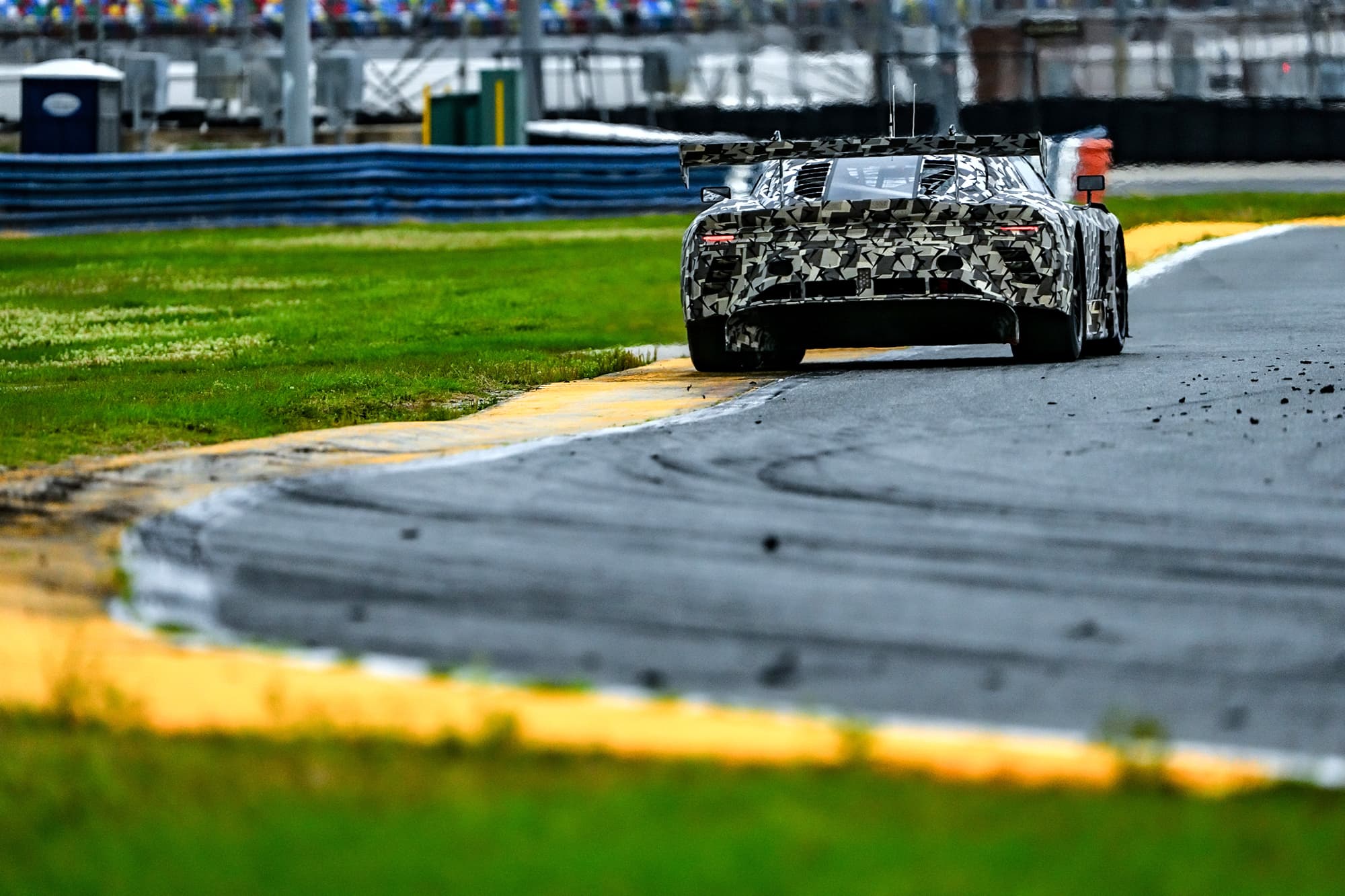
This is the question every enthusiast wants answered. The short answer is: technically yes, but practically extremely difficult. Toyota has indicated that a small additional allocation beyond the initial private expression-of-interest phase is being considered for qualifying customers. However, gaining access to this allocation is not as simple as walking into a dealership.
Toyota's Gazoo Racing division is understood to be prioritizing:
- Existing GR performance vehicle owners with documented purchase history
- Customers involved in GR customer racing programs
- High-value Toyota loyalty customers vetted through regional distributors
- Buyers who can demonstrate a genuine intent to drive and use the car, rather than immediately store it as an investment piece
This last point is particularly significant. Toyota has historically shown reluctance — as seen with the GR010 Hybrid road car discussions — to see its halo performance vehicles immediately locked away in climate-controlled garages as pure financial assets. The brand wants these cars driven and experienced. Whether such conditions can be contractually enforced long-term remains a separate legal debate, but it signals Toyota's philosophy clearly.
How Limited Will Production Actually Be?
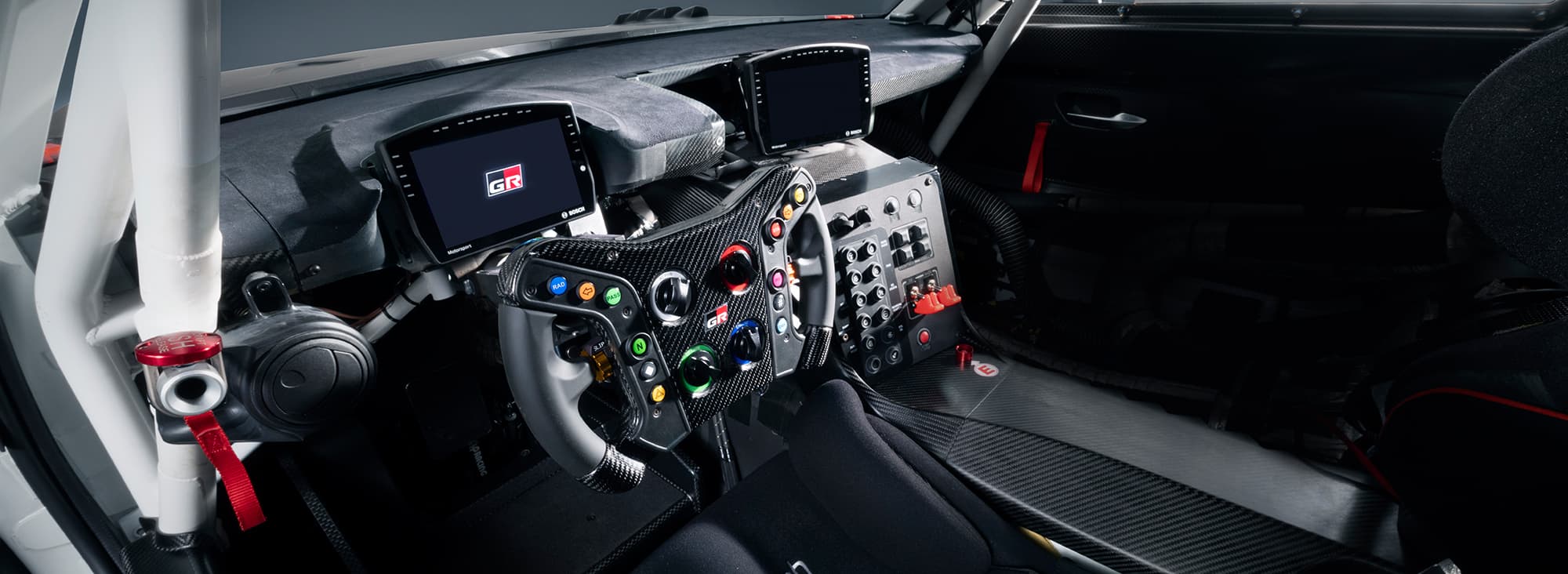
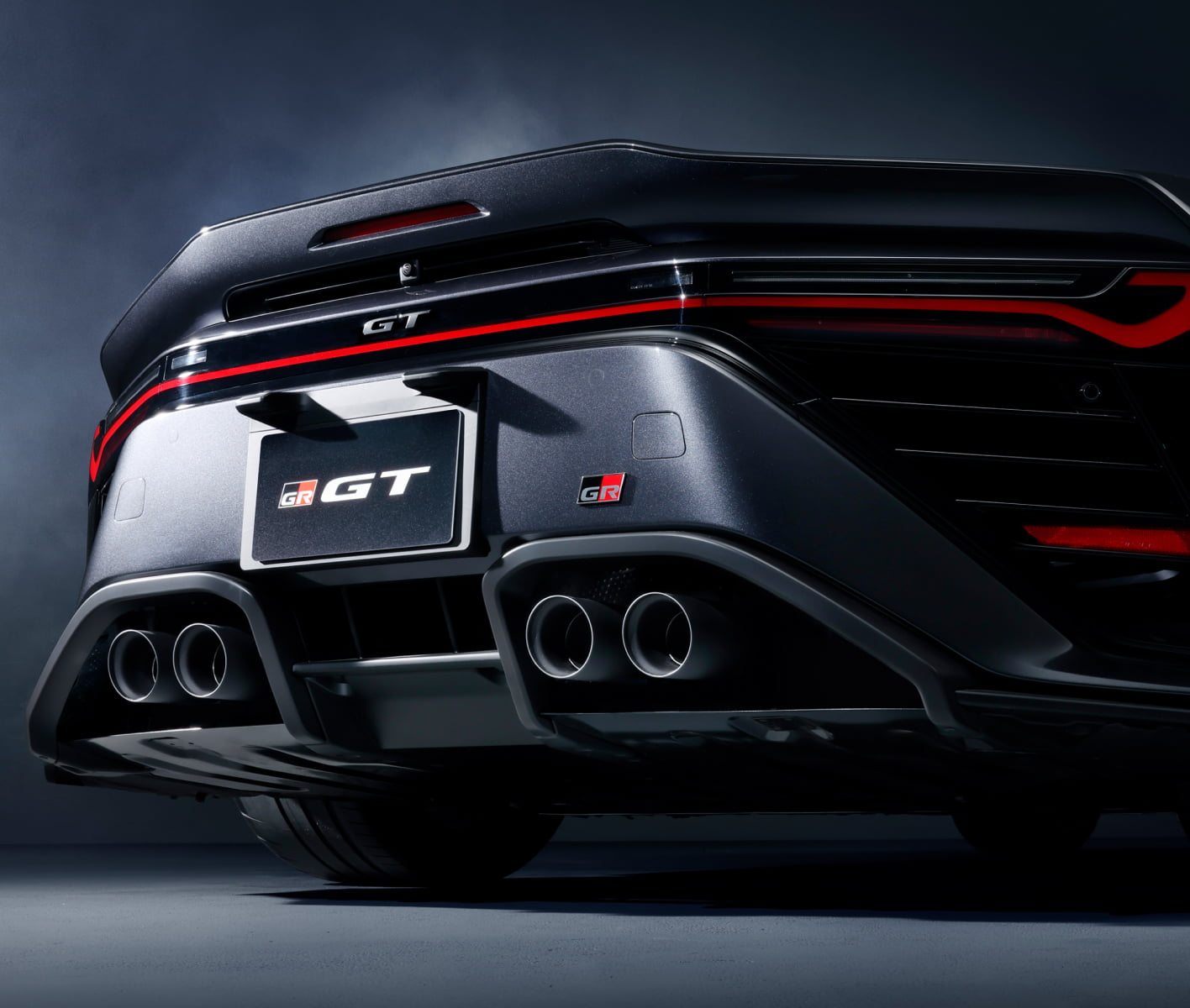
Production numbers for the GR GT3 road car are expected to be exceptionally small — figures in the range of under 500 units globally have been referenced in Toyota's internal communications that have surfaced via Gazoo Racing channels. Some estimates from well-connected industry sources suggest the number could be even lower, potentially between 300 and 400 units worldwide, depending on regulatory homologation requirements across key markets including Japan, Europe, and North America.
To put this in perspective, even the Lexus LFA — which itself became one of the most celebrated Japanese collector cars in history — was produced in only 500 units. The GR GT3 road car is being positioned in a similarly rarefied tier, combining hardcore motorsport engineering with road legality in a way that genuinely few manufacturers have achieved at this level.
The Motorsport Bloodline That Makes This Special
Understanding why the GR GT3 road car generates such passion requires appreciating its origins. The Toyota GR GT3 race car program was developed under Gazoo Racing as a customer racing solution, allowing privateer teams to compete at the highest levels of GT3 racing globally. The engineering philosophy behind it draws directly from Toyota's decades of endurance racing experience, including multiple Le Mans victories with the GR010 Hybrid.
When Toyota confirmed that a road-legal homologation version would be produced, the automotive world collectively understood the significance. A road car that exists primarily to satisfy racing homologation requirements — or that carries the authentic DNA of an active motorsport program — occupies a category that has consistently produced some of the most valuable and celebrated collector vehicles in history.

Why the GR GT3 Is Already a Future Collector Car
From a collector car investment and cultural significance perspective, several factors position the GR GT3 road car as an almost certain future classic:
1. Motorsport Provenance
Cars with direct, unambiguous links to active, successful racing programs carry a provenance premium that appreciates over time. Toyota's GR program is not a marketing exercise — it has produced genuine Le Mans-winning machinery. The road car carries that DNA authentically.
2. Extreme Scarcity
With production numbers likely below 500 units, and potentially significantly fewer, the GR GT3 road car will be one of the rarest Japanese performance cars of its generation. Scarcity is the single most reliable predictor of long-term collector value.
3. Japanese Automotive Heritage Premium
The global collector market's appreciation for Japanese performance vehicles — particularly those from Toyota's racing divisions — has grown dramatically over the past decade. The Lexus LFA, once underappreciated, now regularly trades well above its original MSRP. The GR GT3 arrives in a market already primed to celebrate Japanese engineering excellence.
4. The End of a Pure ICE Era
As the automotive industry undergoes its most dramatic transformation since the invention of the automobile, high-performance internal combustion engine vehicles are increasingly understood to represent a cultural endpoint. The GR GT3, as a thoroughbred combustion-engined performance car, will likely be viewed by future generations as a landmark of the ICE performance era.
5. Toyota's Track Record of Building Iconic Machines
From the 2000GT to the Supra, from the Celica GT-Four to the LFA, Toyota and Lexus have a documented history of producing vehicles that transcend their original price points to become cultural icons. The GR GT3 sits firmly in this lineage.
The BakuWheels Verdict
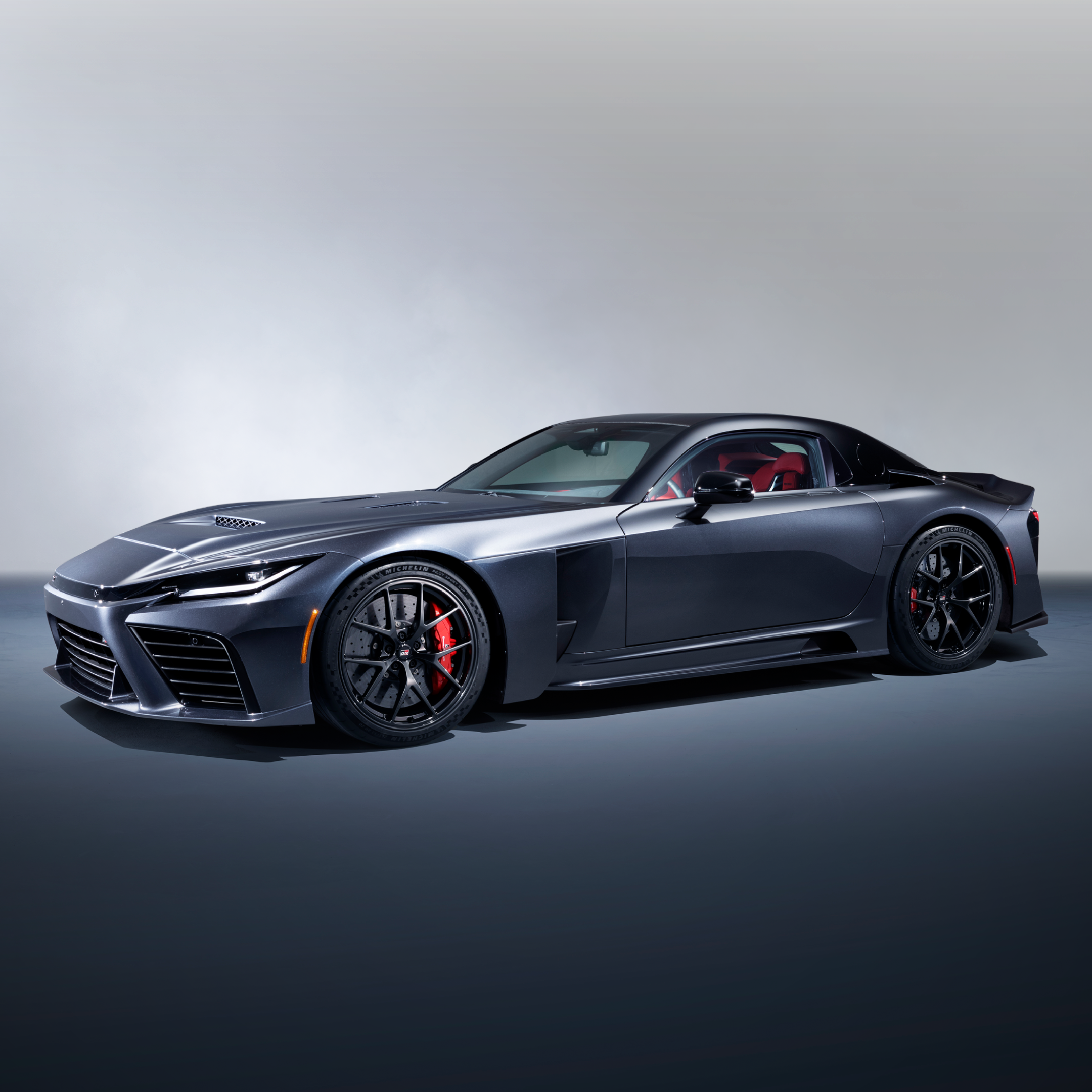
The "sold out" story was, in reality, a misrepresentation of an extraordinarily private and selective early-access process. Toyota has not yet completed its sales process, and while access remains brutally difficult, the door has not been formally slammed shut on all buyers. However, if you are not already embedded within Toyota's GR ecosystem — as an owner, a racing participant, or a significant loyalty customer — the realistic chances of securing an allocation are slim.
What is beyond debate is the car's cultural and investment significance. The Toyota GR GT3 road car is not a product for the casual buyer. It is a rare convergence of motorsport technology, Japanese engineering artistry, and genuine scarcity — a combination that has historically produced some of the most enduring and valuable collector vehicles ever made. Whether you're pursuing it as a driver or an admirer, the GR GT3 deserves to be studied carefully. This is one of those vehicles that future generations will talk about.
— BakuWheels Automotive Editorial Team